28
/ 3
Min Read



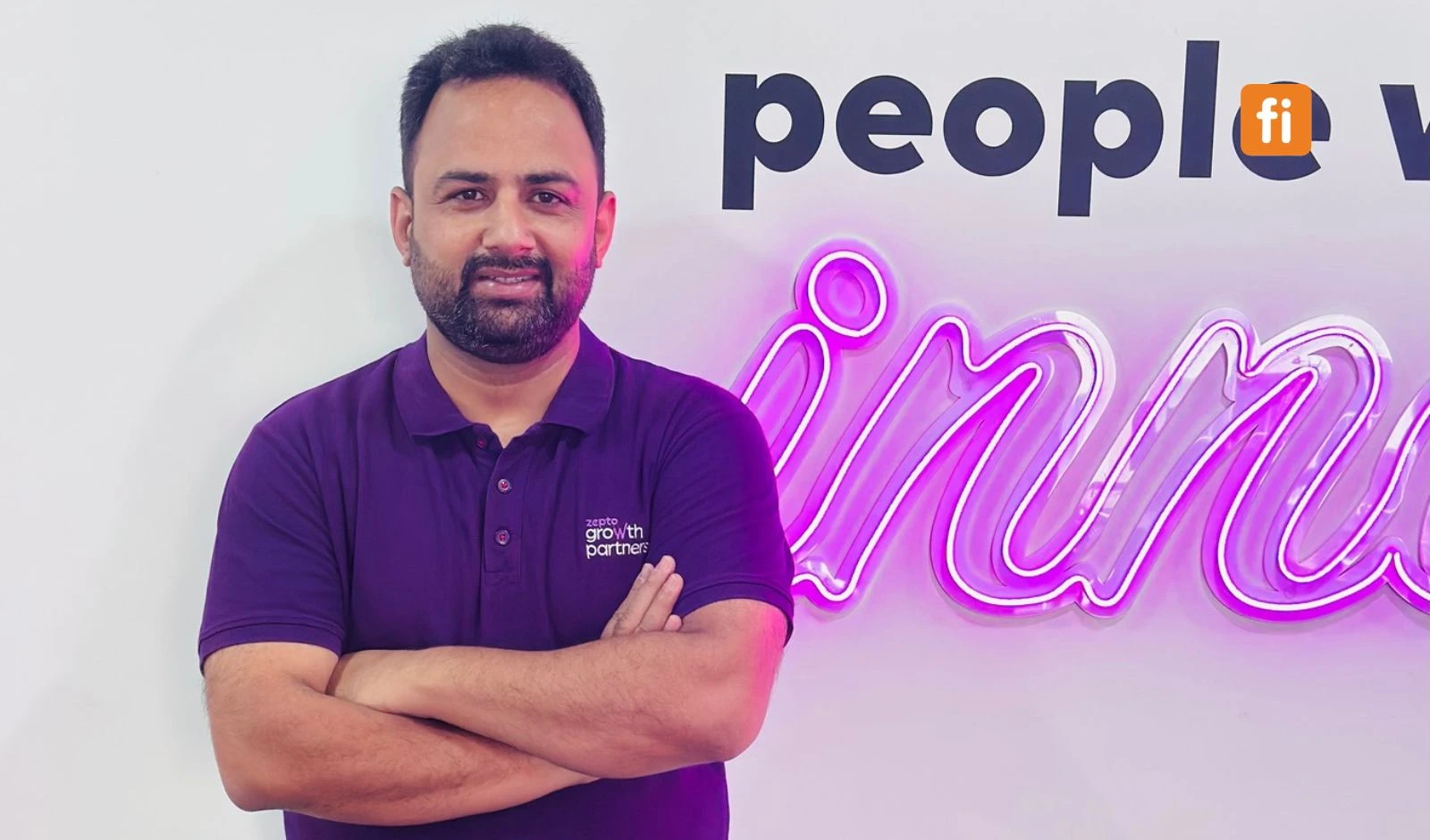
Zepto’s dark-store network has more than tripled in two years, from 337 stores across 11 cities in March 2024 to 1,139 stores across 66 cities in March 2026. Virat Sharma, Senior Vice President, Zepto, joined the company in its early days and now leads expansion and franchisee scale-up. In this interview, he talks about where AI makes the biggest difference, the metrics that matter in quick commerce and why the category is moving well beyond groceries.
Where is AI creating the most meaningful business advantage for Zepto today?
Technology is at the core of how we build and scale our business. AI helps us make smarter, data-led decisions across the quick-commerce value chain, from demand forecasting and inventory planning to store operations and last-mile delivery. It helps us anticipate hyperlocal demand, improve product availability and streamline fulfilment. We also use AI to improve search, product discovery and personalisation. Our focus is on building technology-led systems that solve real operational challenges at scale.
How are you approaching the next phase of dark-store expansion?
Our strategy is to build a strong and efficient dark-store network. Our densification model increases order density within micro-markets, which reduces delivery distances and costs while improving operational efficiency. Greater store density translates into better fulfilment efficiency and a more seamless experience for users.
Which categories will drive the next phase of growth?
Quick commerce is evolving from a convenience-led grocery model into a broader on-demand retail ecosystem. Categories such as electronics, beauty and personal care, home essentials and ready-to-eat meals are expanding what users can access within minutes. The larger opportunity lies in serving everyday needs as well as unplanned purchases, where speed and convenience shape buying decisions.
What metrics should the quick-commerce industry be judged on?
The economics should be evaluated on a combination of metrics rather than growth alone. Store-level profitability, gross margin per order and cost of fulfilment are important indicators of business health. Order density also plays a critical role, as higher volumes within a micro-market improve store utilisation and reduce delivery costs. Ultimately, the question is how effectively businesses convert scale into sustainable economics.
What has been your biggest contribution to Zepto?
I joined Zepto in its early days and have grown with the business, taking on leadership roles across dark-store operations, last-mile delivery and now expansion and franchisee scale-up. I helped build repeatable operational processes as we scaled from a handful of stores to over 1,000, while maintaining delivery speed and reliability. Today, my focus is on enabling franchisee partners, streamlining operations and making new-store launches faster and more predictable.
Are consumers replacing traditional grocery shopping with quick commerce?
The shift is not simply from traditional grocery shopping to quick commerce, but towards greater flexibility in how consumers shop. They increasingly use these platforms to discover new products and brands and to make purchase decisions. Quick commerce is both a complement to traditional retail and a growing part of everyday shopping habits.