
 10
/ 13
Min Read
10
/ 13
Min Read


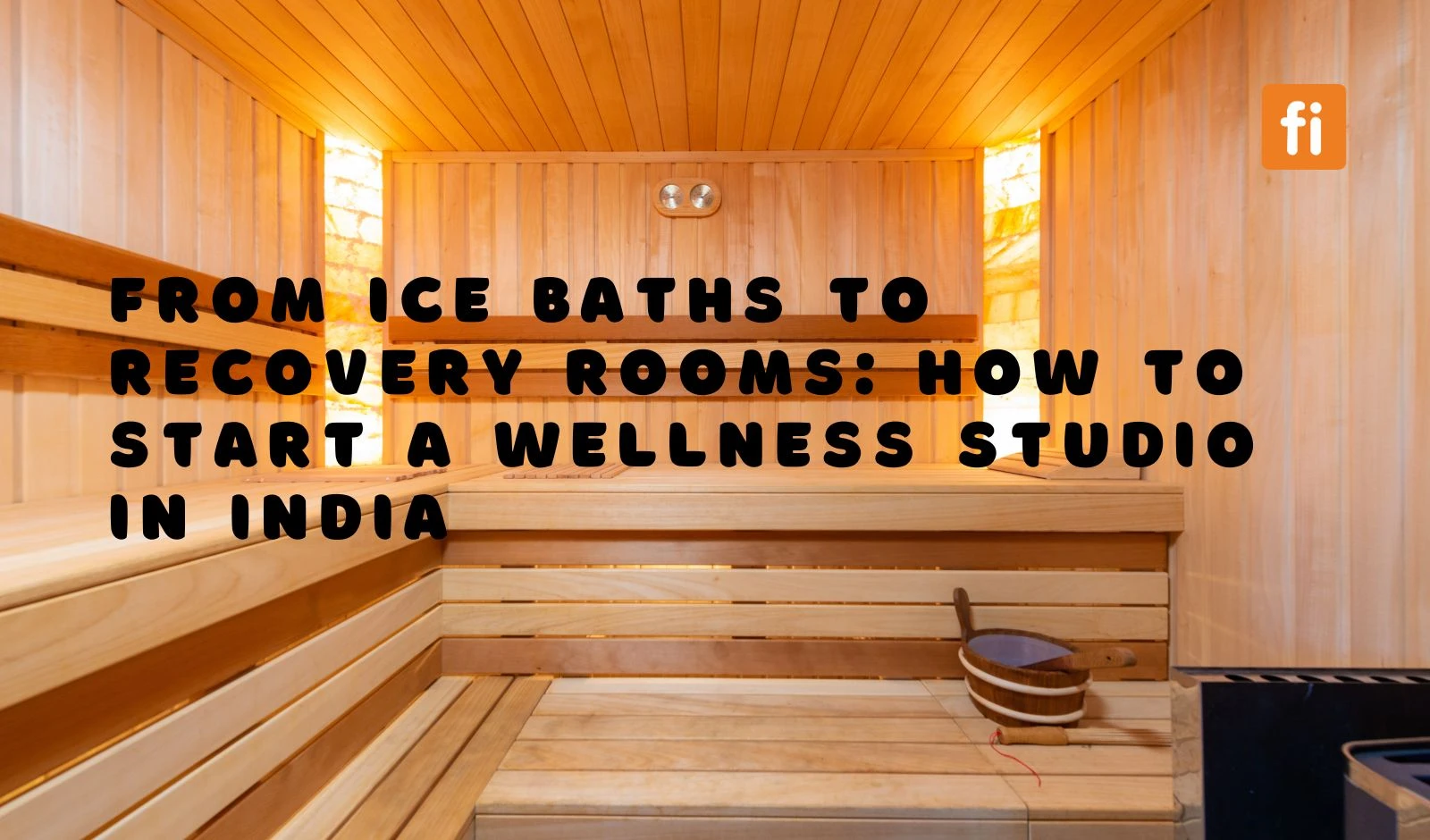
While a business centered on recovery may once have seemed outlandish, ice baths, saunas, and recovery treatments are becoming increasingly popular among health and fitness buffs. With people moving away from the rigors of exercise to focus on relaxing and recovering, such businesses offer a new opportunity for entrepreneurs in India’s expanding wellness industry.
From choosing the right services and equipment to estimating setup costs, arranging licences and understanding profit potential, starting this business requires careful planning. Here’s what entrepreneurs need to know about building a recovery-focused wellness venture, managing its operating costs and creating a business model that attracts repeat customers.
Key Takeaways
- Ice baths, saunas, compression therapy and other recovery services offer multiple business formats for entrepreneurs.
- Initial investment depends on equipment selection, premises, interiors and utility requirements.
- Memberships, session packages and partnerships with gyms help build recurring revenue.
- Business registration, local permissions, hygiene protocols and customer safety require careful attention.
- Location, service quality and repeat bookings play a major role in long-term profitability.
What Is a Recovery and Wellness Business?
In a recovery-based wellness business, there are services provided that will help in relaxation and recovery after exercising in a special environment. As opposed to traditional gyms, which emphasize on exercising, and spas, which focus more on relaxation and beauty treatments, the new concept combines specialized recovery therapies in one business place.
Based on the form of the wellness business, it may provide cold plunge pools, saunas, compression therapy, red light treatments and assisted stretching. In such businesses, clients may pay for services per session, buy packages or subscribe for monthly access to specific services.
The target customers for the business are sports lovers, runners and athletes. The business range varies based on the services provided, equipment used, and expertise of the employees. The entrepreneurs should be able to differentiate wellness services from medical services, which have additional requirements.
Why Is Recovery-Focused Wellness Gaining Attention in India?
The Indian fitness industry is moving forward from the traditional exercises to services which support exercising, relaxation and personal well-being. The gym enthusiasts, runners and athletes want some structure in the process of getting rid of tiredness after exercising, and busy people need wellness experiences which can be combined with their schedules.
This trend opens up opportunities for businesses that offer various recovery services in one facility. Each of the services such as cold plunge, sauna, compression therapy, stretching has its own character and allows entrepreneurs to cater to diverse needs of customers instead of relying only on one service.
Areas with premium gyms, running clubs, sports clubs and health conscious customers may become a market for such facilities. But mere interest in wellness will not make such business profitable. Entrepreneurs should conduct analysis of competition and readiness of customers to pay money for such facilities.
Which Services Should You Offer?
Your choice of therapies will influence the composition of your target customers, budget for the equipment and pricing policy. You should not try to introduce all the therapies from the very beginning, but only those that correspond to the needs of the local market and the capabilities of your investment.
- Ice baths and cold plunge therapy: Customers immerse themselves in cold water for short, controlled periods as part of their recovery routines. Temperature monitoring, water filtration and sanitation are essential.
- Sauna therapy: Traditional and infrared saunas provide heat-based relaxation experiences. The choice depends on available space, installation costs and customer preferences.
- Contrast therapy: This combines cold-water immersion with heat exposure, usually through a sauna. It requires carefully planned facilities and appropriate safety protocols.
- Red-light therapy: Specialised devices deliver red or near-infrared light. Equipment selection and any health-related claims require particular care.
- Compression therapy: Pneumatic compression devices apply controlled pressure to the limbs and are commonly marketed for post-exercise recovery.
- Assisted stretching and massage: Trained professionals provide guided stretching or suitable massage services, depending on their qualifications and applicable requirements.
A small facility could start with two or three services and then offer additional types of therapy as demand grows. Appropriate descriptions of services, screening and training of personnel can help address the customers’ expectations and provide an honest perspective on the benefits of available treatments.
Choose the Right Business Model
The investment depends upon the kind of services you wish to provide, the space that will be taken up, and whether you have opted to do it alone or as a partner in a fitness venture. There are three setups that are worthwhile to look at.
| Business model | What it includes | Indicative initial investment |
|---|---|---|
| Compact recovery facility | Two or three core services, such as an ice bath, sauna or compression therapy, with basic changing facilities | ₹10–20 lakh |
| Premium multi-therapy centre | Multiple recovery services, upgraded interiors, showers, relaxation areas and membership facilities | ₹25–60 lakh or more |
| Gym or sports-club partnership | Recovery services within an existing facility, potentially sharing space, utilities and customers | ₹5–15 lakh |
Note: These figures are only estimates and not the market average or any quotations from suppliers. Actual cost will depend on the quality of equipment used, the imported machines, plumbing, electric fitting, rent deposit and the business deal. The estimates above must be verified against supplier quotations before publishing.
The independent model allows one to have more control over service options, prices and customer experience. In case of a business partnership with a gym or sports facility, then you get access to a pre-existing clientele for fitness services. Another option could be that of franchising where there is a suitable operator offering a program to franchise. The franchise cost is not included here.
For new entrepreneurs, it would be wise to begin with fewer services and later increase after analyzing customer needs.
Recovery Studio Setup Cost and Investment in India
The cost of equipment is only one aspect of the total initial cost. Other costs include the cost of the facilities, plumbing, wiring, water treatment, and the cost needed to operate the business for the first few months. The final figure will be determined by the services provided and the condition of the facility selected.
| Expense | Indicative cost |
|---|---|
| Rental deposit and advance | ₹1–3 lakh |
| Interiors and civil work | ₹2–5 lakh |
| Recovery equipment | ₹4–12 lakh |
| Plumbing, drainage and electrical installation | ₹1–3 lakh |
| Hygiene and safety supplies | ₹30,000–₹75,000 |
| Booking software, branding and launch marketing | ₹50,000–₹1.5 lakh |
| Initial working capital | ₹1.5–4 lakh |
| Estimated total | ₹10.3–29.25 lakh |
These are rough estimates for planning purposes only and not actual quotations or industry-standard rates. The amount depends on location, building, equipment specifications and installation needs. High-end centers with multiple specialized treatments will need significantly more.
It is advisable to get quotes from equipment vendors and installers before making the investments, as well as for delivery, installation, warranty and maintenance.
Working capital must be carefully considered. Rent, salaries, electricity, water, supplies and advertising expenses keep occurring whether you have bookings or not. Having money in reserve will assist the business in surviving its first few months without having to rely on customer payments alone.
Essential Equipment and Infrastructure
The selection of the equipment must be in line with the services offered as well as the customer needs. Apart from the basic therapy machines, there are other systems that contribute to hygiene, comfort, and safe operation of the business.
| Equipment or facility | Purpose |
|---|---|
| Cold plunge tub | Provides controlled cold-water immersion |
| Water filtration and sanitation system | Helps maintain water quality and hygiene |
| Temperature controls | Monitor and regulate water temperature |
| Sauna unit | Supports heat-based wellness sessions |
| Compression therapy devices | Deliver controlled pneumatic compression |
| Red-light therapy equipment | Provides red or near-infrared light exposure |
| Showers, lockers and changing areas | Support customer comfort and hygiene |
| Booking software | Manages appointments, memberships and payments |
Before buying equipment, study its operating instructions, maintenance and warranty conditions and the availability of spare parts. Wet areas should be well drained and waterproofed and electrical equipment installed must be appropriate to the environment. Good ventilation, slip-resistant floor, emergency procedures, and customer instructions are other important considerations when designing a facility.
Equipment should be purchased according to the services that will be offered and not according to the available therapies.
Space and Location Requirements
The amount of space needed is dependent on the services provided, equipment arrangement and number of customers. For a small facility, space for the main therapy treatments and changing rooms is sufficient while a multiple therapy facility will require space for showers and relaxation.
| Business format | Indicative space requirement | Suitable locations |
|---|---|---|
| Compact recovery facility | 300–500 sq. ft. | Near gyms, fitness centres and premium residential areas |
| Multi-therapy centre | 700–1,200 sq. ft. | Urban commercial areas, wellness hubs and sports communities |
| Gym or sports-club partnership | 150–300 sq. ft. of dedicated space | Existing gyms, sports clubs and athletic training facilities |
Space figures are preliminary planning estimates. The actual requirements will be based on the dimensions of the equipment, circulation area, plumbing, ventilation, changing facilities and other building and safety codes.
Prior to committing to a lease, you should determine the availability of the water supply, drainage system, electrical supply and the consent for the desired commercial use of the building. Convenience of location, parking and accessibility to the desired customer base are also significant.
How to Set Up the Business Step by Step
One must have a clear plan in place before carrying out the installation of equipment or launching the facility.
- Investigate local demand by looking at nearby gyms, sports clubs, your competitors, and potential customers.
- Choose the services you'll be using, start by picking those that match your budget and the group you're aiming to reach.
- Draw up a business plan by specifying your investment, your pricing, your operating expenses and your revenue model.
- Find the right place. Make sure you have permission for commercial use. Check drainage, ventilation, and electrical needs.
- Get the equipment and install it, select reliable suppliers and adhere to the instructions for installation and maintenance.
- Recruit and train staff by setting up hygiene procedures, customer screening processes, and emergency protocols.
- When getting ready for the launch, bookings, memberships, service information and promotional activities should all be arranged before customers are accepted.
Pricing, Revenue and Profitability
Revenue depends on the price per session, the number of sessions each day, and the number of customers who come back due to packages or memberships. Individual sessions, monthly subscriptions, and cooperation with fitness centers can provide various sources of income.
Let us take an example of a fitness center that charges ₹1,000 per session and caters to eight customers every day for 26 days.
| Particulars | Monthly amount |
|---|---|
| Revenue (8 sessions × ₹1,000 × 26 days) | ₹2,08,000 |
| Rent | ₹40,000 |
| Staff salaries | ₹50,000 |
| Utilities and consumables | ₹20,000 |
| Marketing and maintenance | ₹15,000 |
| Operating surplus | ₹83,000 |
It is just a demonstration calculation, and there are no guarantees for its results. Eight payments per each operating day are considered, while taxes, interest on loans, amortization and other costs are not.
The actual effectiveness of the business will depend on the customers' needs, variety of services, utilization of capacity and the ongoing costs. You need to control your orders and costs and calculate the breakeven point before you extend your services or buy new equipment.
How to Attract and Retain Customers
Developing a loyal customer base is not only about having specialized equipment. Collaborate with local gyms, personal trainers, running clubs, and sports coaches in order to provide your services to those who are already into fitness and recovery.
Promote the facility on Instagram and Google Business Profile. Make sure to present all available classes and their prices in a clear and open way. Introductory packages, referrals, and membership options will assist you in attracting new clients.
Customer experience is important as well. Make sure that the facility is always clean, services are explained properly, there is a safety protocol followed and booking is easy and convenient.
Registrations, Licences and Safety Requirements
The registrations and permissions required depend on the business structure, location and services offered. Before opening, check the applicable requirements with the relevant government departments and local authorities.
- Business registration: Choose a suitable structure, such as a proprietorship, partnership, LLP or private limited company. Company and LLP incorporation is handled through the Ministry of Corporate Affairs.
- Udyam registration: Eligible micro, small and medium enterprises can register through the official Udyam Registration portal.
- GST registration: Check the applicable GST registration rules and thresholds with the GST portal or CBIC.
- Local permissions: Municipal trade permissions, building-use approvals and fire-safety requirements might apply, depending on the premises and local rules.
- Employment compliance: Follow applicable labour laws and workplace requirements when hiring staff.
- Service-specific compliance: Businesses offering massage, physiotherapy or medical treatments should verify the additional professional and regulatory requirements relevant to those services.
Water hygiene, equipment maintenance, customer screening and emergency procedures also need documented operating protocols. Cold-water immersion and heat-based therapies are not suitable for everyone, so customers should receive clear safety information.
Verify the applicable requirements through official portals, including MCA, Udyam Registration and the GST Portal, before commencing operations.
Key Challenges to Consider Before Investing
Although it has great promise, this venture poses some difficulties that must be carefully planned for.
- Equipment maintenance: The cold plunge pools, saunas and therapies require maintenance.
- Operating costs: Expenses like electricity, water, rent and labor continue even during times when there is no demand.
- Client awareness: It may be the case that not all clients know about the specialized recovery sessions.
- Sanitation and safety: Lack of sanitation, poor supervision and unclear instructions from the client can cause unnecessary problems.
- Profit generation: To make a profit, the business must generate sufficient revenue from clients.
Before opening, it is important to investigate the competition, gauge customer interest and project finances. This allows for beginning operations with a specialized service offering.
FAQs
1. What are the targeted clients of a recovery and wellness company?
Targeted clients may include gym-goers, runners, athletes, and wellness-aware professionals. Targeted clients may depend on the services that are being provided and the demand in the local market.
2. What is the cost of an ice bath session in India?
Prices of ice bath sessions in India may range from ₹700 to ₹2,000 per session for standalone facilities. In addition, other prices may be higher based on the type and quality of services being provided. For example, a cold-plunge session in IceTub, Hyderabad costs ₹700 while one in BRYK Studio, Delhi costs ₹1,499.
3. How do recovery studios earn their income besides individual sessions?
Studios can earn their money through various means including monthly membership fees, packaged prepaid sessions, corporate wellness programs, and partnership with gymnasiums, sporting facilities, and trainers.
4. How can hygiene be ensured in an ice bath facility?
Maintaining hygiene includes regular monitoring of water quality, filtration and sanitization processes, proper maintenance of the equipment used, among others. The operator should follow manufacturer guidelines of the equipment and relevant health and safety standards.
Conclusion
A recovery-oriented wellness business provides entrepreneurs with an opportunity to tap into the growing Indian market of fitness and wellness businesses. But for success, it is important to select the appropriate services, have strict safety standards and create a clientele base. The presence of a carefully researched business plan, realistic financial forecasts and a suitable location makes it easier to achieve sustainable success.
Discover a range of fitness and wellness businesses through Franchise India and find out which one will be suitable for your business goals.
Read More: Top 15 Healthcare and Wellness Businesses to Consider in India