 19
/ 13
Min Read
19
/ 13
Min Read



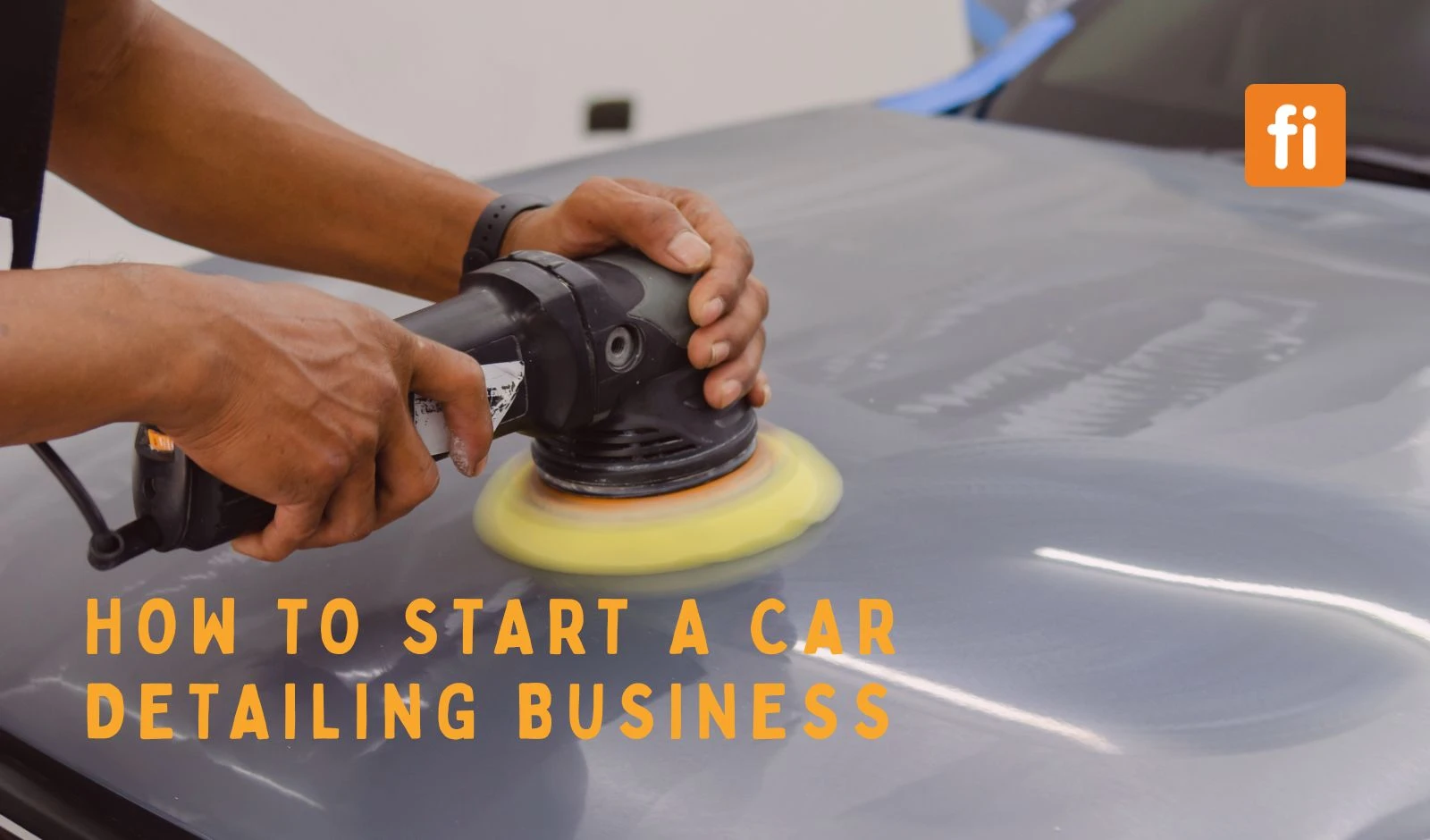
Although a car can just be considered a vehicle, many owners think that its look is almost as important as its performance. With increasing numbers of car owners focusing on keeping their vehicles in good condition, detailing services are now establishing themselves beyond the usual car wash.
Setting up a car detailing business in India involves more than just buying a pressure washer and renting a garage; the kind of setup, the location, the equipment, the services offered and the pricing all have an effect on the total investment and the business model. For example, a small garage catering to local customers has entirely different requirements from a high-end detailing studio which provides specialised treatments.
The point at which a business starts also varies according to the budget and the kind of customers it wants to target; it might begin with a home-based or mobile arrangement and then expand later on, whereas entrepreneurs who have more capital could choose to have a dedicated detailing studio. In order to plan the business before making the first investment, it is necessary to know what equipment is needed, the start-up costs, how the services will be priced and what the possible margins are.
Key Takeaways
- Choose from mobile, garage or studio setups.
- Invest in the right detailing equipment and kit.
- Add premium services like ceramic coating and PPF.
- Price services based on costs and demand.
- Margins depend on service mix and operating costs.
What Is a Car Detailing Business?
A car detailing business provides specialised cleaning and vehicle-care services that go beyond a standard car wash. The work focuses on restoring, maintaining and protecting a vehicle’s interior and exterior appearance.
Common services include:
- Exterior cleaning and polishing
- Interior deep cleaning
- Paint correction
- Ceramic coating
- Paint protection film (PPF)
- Headlight restoration
- Engine bay cleaning
Unlike a basic wash, detailing involves specialised products, equipment and techniques. The business may operate from a fixed studio, garage or mobile setup, depending on the services offered and the target customers.
Your Step-by-Step Guide
Starting a car detailing business requires planning the setup, services, equipment and customer base before operations begin. The process can be divided into the following steps.
1. Choose a Business Model
Decide between a home or garage-based setup, mobile detailing service or dedicated detailing studio. The choice affects investment, space, equipment and service capacity.
2. Select a Suitable Location
Look for an accessible location with enough space for vehicle movement and parking. Water supply, electricity, drainage and proximity to residential or commercial areas are also important.
3. Decide the Service Mix
Start with services that match the available equipment and skills. Basic cleaning and interior detailing can form the core, while paint correction, ceramic coating and PPF can be added as the business expands.
4. Complete Business Registrations
Set up the appropriate business structure and complete registrations applicable to the business. These may include Udyam registration, GST registration and local permissions, depending on the setup and location.
5. Purchase Equipment and Supplies
Invest in essential detailing machines, cleaning tools, chemicals and consumables. Premium services require additional specialised equipment and materials.
6. Hire and Train Detailers
Skilled staff are important for services such as polishing, paint correction and coating application. Proper training also helps reduce the risk of surface damage and inconsistent results.
How Much Does It Cost to Start
A car detailing business in India typically requires ₹8 lakh to ₹30 lakh+, depending on the setup, location and services offered. A basic garage or mobile operation keeps the initial investment lower, while a dedicated studio with ceramic coating and PPF services requires a larger budget.
| Cost Head | Includes | Indicative Cost |
|---|---|---|
| Workspace | Rent, security deposit and basic setup | ₹2–15 lakh |
| Equipment | Pressure washer, vacuum, polisher, compressor | ₹1.5–7 lakh |
| Detailing Kit | Chemicals, brushes, microfiber towels, consumables | ₹30,000–3 lakh |
| Interiors & Utilities | Flooring, lighting, plumbing and electrical work | ₹50,000–3 lakh |
| Premium Services | Coating and PPF tools and materials | ₹1–5 lakh |
| Branding & Marketing | Signage, website and local promotion | ₹20,000–2 lakh |
| Registrations & Miscellaneous | Registrations and other setup expenses | ₹15,000–80,000 |
| Working Capital | Salaries, utilities and operating expenses | ₹1–5 lakh |
A lean garage-based setup starts around ₹8–12 lakh, while a professional studio with advanced equipment, better interiors and premium services typically requires ₹15–30 lakh or more.
The final investment depends on the selected space, equipment quality, service range and local operating costs. Including working capital in the initial budget provides room for salaries, utilities, consumables and other operating expenses during the initial months.
What Equipments are Needed to Start
The right equipment forms the foundation of efficient detailing work.
- A basic setup requires cleaning, drying, vacuuming and polishing equipment.
- The premium services require specialised tools for paint correction, ceramic coating and PPF.
Essential Car Detailing Equipment
| Equipment | Main Use | Indicative Cost |
|---|---|---|
| Pressure Washer | Exterior cleaning | ₹15,000–₹60,000 |
| Wet & Dry Vacuum | Interior cleaning | ₹5,000–₹25,000 |
| Foam Cannon | Foam washing | ₹2,000–₹8,000 |
| Dual-Action Polisher | Paint polishing | ₹10,000–₹30,000 |
| Air Compressor | Drying and cleaning | ₹8,000–₹25,000 |
| Steam Cleaner | Interior deep cleaning | ₹15,000–₹50,000 |
| Water Tank | Water storage | ₹5,000–₹15,000 |
| Detailing Brushes | Interior and exterior cleaning | ₹2,000–₹8,000 |
| Microfiber Towels | Washing and drying | ₹3,000–₹10,000 |
| Buckets & Wash Accessories | Washing and surface cleaning | ₹2,000–₹6,000 |
Equipment for Premium Services
A premium detailing studio needs additional tools for paint correction, ceramic coating and PPF installation. These include:
- Paint inspection lights
- Rotary polishers
- Coating application products
- Heat guns
- Cutting tools
- PPF squeegees
Equipment selection should match the services offered, expected vehicle volume and available workspace. Starting with reliable commercial-grade equipment also helps maintain consistent service quality as the business grows.
The Essential Setup Kit for Your Business
A car detailing kit contains the tools, chemicals and consumables required for routine cleaning and detailing jobs.
Basic Detailing Kit
| Category | Items |
|---|---|
| Washing | Car shampoo, buckets, wash mitts, foam cannon |
| Drying | Microfiber drying towels, air blower |
| Interior | Interior cleaner, brushes, vacuum attachments |
| Exterior | Wheel cleaner, tyre cleaner, tyre dressing |
| Polishing | Dual-action polisher, polishing pads, compounds |
| Finishing | Glass cleaner, trim dressing, wax/sealant |
| Protection | Ceramic coating products and applicators |
For a professional setup, keep separate products and tools for paint, glass, wheels, tyres, plastics and interiors. This reduces cross-contamination and helps maintain consistent results across different vehicles.
A starter kit focused on regular detailing is suitable for basic services, while a premium kit adds specialised products and tools for paint correction, ceramic coating and PPF installation.
What Services You Should Offer?
A strong service menu combines routine cleaning, vehicle restoration and surface protection. Basic services bring regular customers, while advanced and premium services increase the average value of each job.
Basic Services
- Exterior washing
- Interior vacuuming
- Dashboard and upholstery cleaning
- Wheel and tyre cleaning
Advanced Services
- Interior deep cleaning
- Paint polishing
- Paint correction
- Headlight restoration
- Engine bay cleaning
Premium Services
- Ceramic coating
- Paint Protection Film (PPF)
- Premium paint protection
- Interior protection treatments
A well-planned service mix creates multiple revenue streams. Regular cleaning supports repeat visits, while paint correction, ceramic coating and PPF generate higher-value orders.
Is a Car Detailing Business Profitable?
A car detailing business has multiple revenue opportunities, ranging from regular cleaning to high-value services such as paint correction, ceramic coating and PPF. Profitability largely depends on the average billing per vehicle, daily bookings, service mix and operating expenses.
For example, a studio serving 8 cars a day at an average billing of ₹2,500 generates around ₹6 lakh in monthly revenue based on 30 operating days. Adding premium services to the service mix raises the average value of individual bookings.
| Factor | Impact on Profitability |
|---|---|
| Vehicle Volume | More bookings increase revenue |
| Average Bill Value | Higher-value services increase revenue per customer |
| Premium Services | Ceramic coating, PPF and paint correction raise ticket size |
| Consumable Costs | Efficient product usage protects margins |
| Labour | Skilled and productive staff improve service output |
| Fixed Costs | Rent and utilities directly affect the bottom line |
| Repeat Customers | Regular bookings create recurring revenue |
A well-managed detailing business combines high-frequency services with premium treatments to build revenue across multiple price points. The next step is to calculate how these revenues translate into operating margins.
How to Price Your Services
Car detailing prices depend on the type of service, vehicle size, level of finish and time required. A package-based pricing structure keeps the offerings simple and gives customers clear choices.
| Service | Indicative Price |
|---|---|
| Basic Exterior Detailing | ₹800–₹1,500 |
| Interior Deep Cleaning | ₹1,500–₹3,500 |
| Full Interior + Exterior Detailing | ₹2,500–₹6,000 |
| Paint Correction | ₹4,000–₹12,000 |
| Ceramic Coating | ₹8,000–₹30,000+ |
| PPF | ₹40,000–₹1.5 lakh+ |
SUVs, luxury cars and heavily soiled vehicles generally require additional labour and materials, supporting a higher ticket size. Premium treatments also carry higher prices because of specialised products, preparation work and application time.
Maintenance packages, bundled services and periodic detailing plans provide additional ways to increase repeat bookings and customer value.
Profit Margin: How Is It Calculated?
The earning potential of a car detailing business depends on the number of vehicles serviced, average billing and operating expenses. Premium services such as ceramic coating, paint correction and PPF also increase the revenue generated from individual customers.
For example, consider a detailing studio servicing 8 cars a day at an average billing of ₹2,500:
| Monthly Calculation | Amount |
|---|---|
| Cars serviced | 240 |
| Average billing per car | ₹2,500 |
| Monthly revenue | ₹6,00,000 |
| Chemicals & consumables | ₹90,000 |
| Staff salaries | ₹1,20,000 |
| Rent | ₹60,000 |
| Utilities & maintenance | ₹30,000 |
| Marketing & other expenses | ₹30,000 |
| Estimated operating surplus | ₹2,70,000 |
In this example, the operating surplus works out to 45% of monthly revenue before taxes, loan repayments, depreciation and other applicable costs. The actual figure changes with the service mix, location, staffing and monthly vehicle volume.
What Affects Car Detailing Margins?
- Average bill value
- Monthly vehicle volume
- Premium-service bookings
- Material consumption
- Labour efficiency
- Rent and overheads
- Repeat customers
- Equipment maintenance
A studio that combines regular detailing with higher-value services creates a broader revenue base and improves the scope for stronger unit economics.
Understanding Revenue Streams and Profit Margins
A car detailing business earns through a combination of routine services, specialised treatments and recurring maintenance work. A broader service portfolio helps balance regular bookings with higher-value orders.
Main Revenue Streams
- Basic Detailing – Exterior washing, vacuuming and routine cleaning.
- Interior Detailing – Deep cleaning of seats, carpets, dashboards and upholstery.
- Paint Correction – Polishing and removing surface imperfections.
- Ceramic Coating – Paint protection with a higher service value.
- PPF Installation – Premium protection for vehicle paint.
- Headlight & Engine Bay Services – Additional paid treatments.
- Maintenance Packages – Scheduled detailing after ceramic coating or other protection services.
- Fleet & Dealer Services – Bulk detailing contracts with dealerships, rental companies and fleet operators.
A studio combining regular detailing with premium protection services and maintenance packages develops multiple income sources instead of relying on basic cleaning alone.
Mobile vs Studio-Based Business
The choice between a mobile service and a fixed studio affects the initial investment, space, vehicle capacity and service range.
| Factor | Mobile Detailing | Studio-Based Detailing |
|---|---|---|
| Initial Setup | ₹3–8 lakh | ₹10–30 lakh+ |
| Workspace | 100–300 sq. ft. for storage/operations | 800–2,000+ sq. ft. |
| Monthly Rent | ₹5,000–₹20,000* | ₹30,000–₹1 lakh+* |
| Daily Capacity | 3–6 cars | 6–12+ cars |
| Equipment | Portable equipment | Commercial-grade equipment |
| Premium Services | Selected services | Wider service range |
| Expansion | Additional service vehicles | Additional bays |
*Rent varies significantly by city and location.
Mobile Car Detailing
A mobile setup takes equipment directly to the customer's location. An investment of around ₹3–8 lakh provides a practical starting range, including portable equipment, a service vehicle and initial supplies. The model suits routine cleaning, interior detailing and selected exterior treatments.
Studio-Based Detailing
A dedicated studio requires around ₹10–30 lakh or more, depending on the size, interiors, equipment and service portfolio. A 1,000–2,000 sq. ft. facility provides space for multiple vehicles and advanced services such as paint correction, ceramic coating and PPF.
A mobile model prioritises lower infrastructure costs and customer convenience, while a studio supports higher vehicle capacity and a broader premium-service portfolio.
What Can Make the Business Difficult?
Running a car detailing business needs steady service quality, keeping costs down, and skilled work. The main problems include:
- To find skilled detailers: since paint correction, polishing and coating demand proper training and technique.
- The cost of consumables—such as chemicals, pads, towels, and coating products—increases with each job.
- The quality remaining consistent depends on the fact that poor finishing or incorrect use of the product has an effect on customer satisfaction.
- The management of water and wastewater involves making sure that washing operations have proper use of water, adequate drainage, and effective waste management.
- It is necessary to carry out regular maintenance on equipment such as pressure washers, vacuum cleaners and polishers.
- The situation where local car washes and detailing centres compete on price has an effect on service pricing.
- If you want to build up business repeat customers, it is necessary to achieve consistent results and provide a reliable service.
- The risks associated with premium-service treatments such as ceramic coating, paint correction and PPF must be managed by employing a higher level of skill and taking care when carrying out the work to prevent expensive mistakes.
FAQs
1. How many cars can a detailing business service in a day?
A small studio with one or two bays typically handles around 5–10 cars per day, depending on the service mix. Basic detailing takes less time, while paint correction, ceramic coating and PPF require longer service hours.
2. How much water does a car detailing business need?
Water consumption depends on the equipment and washing method. Pressure washers and controlled cleaning techniques help reduce water usage compared with conventional washing methods.
3. What skills are required to start a car detailing business?
Basic knowledge of vehicle cleaning, chemical handling and surface care is essential. Advanced services require practical training in machine polishing, paint correction, ceramic coating and PPF application.
4. How long does a car detailing service take?
A basic detailing job generally takes 2–4 hours, while deep cleaning and premium treatments require more time. Paint correction, ceramic coating and PPF installation often extend across several hours or multiple working sessions.
Conclusion
A car detailing business offers a service-driven opportunity with revenue coming from routine cleaning, advanced detailing and premium vehicle protection. The right setup, equipment, service mix and pricing structure determine the investment and earning potential.
Starting with a focused service portfolio and expanding into paint correction, ceramic coating, PPF and maintenance packages creates scope for higher-value bookings and recurring revenue. Careful control of equipment, consumables, labour and fixed costs remains essential for maintaining healthy margins.
Looking to start a car detailing business with an established brand? Explore the top car detailing franchise opportunities in India and compare the options before choosing your business model.
Read More: Top 10 Car Detailing Franchises in India