 23
/ 11
Min Read
23
/ 11
Min Read



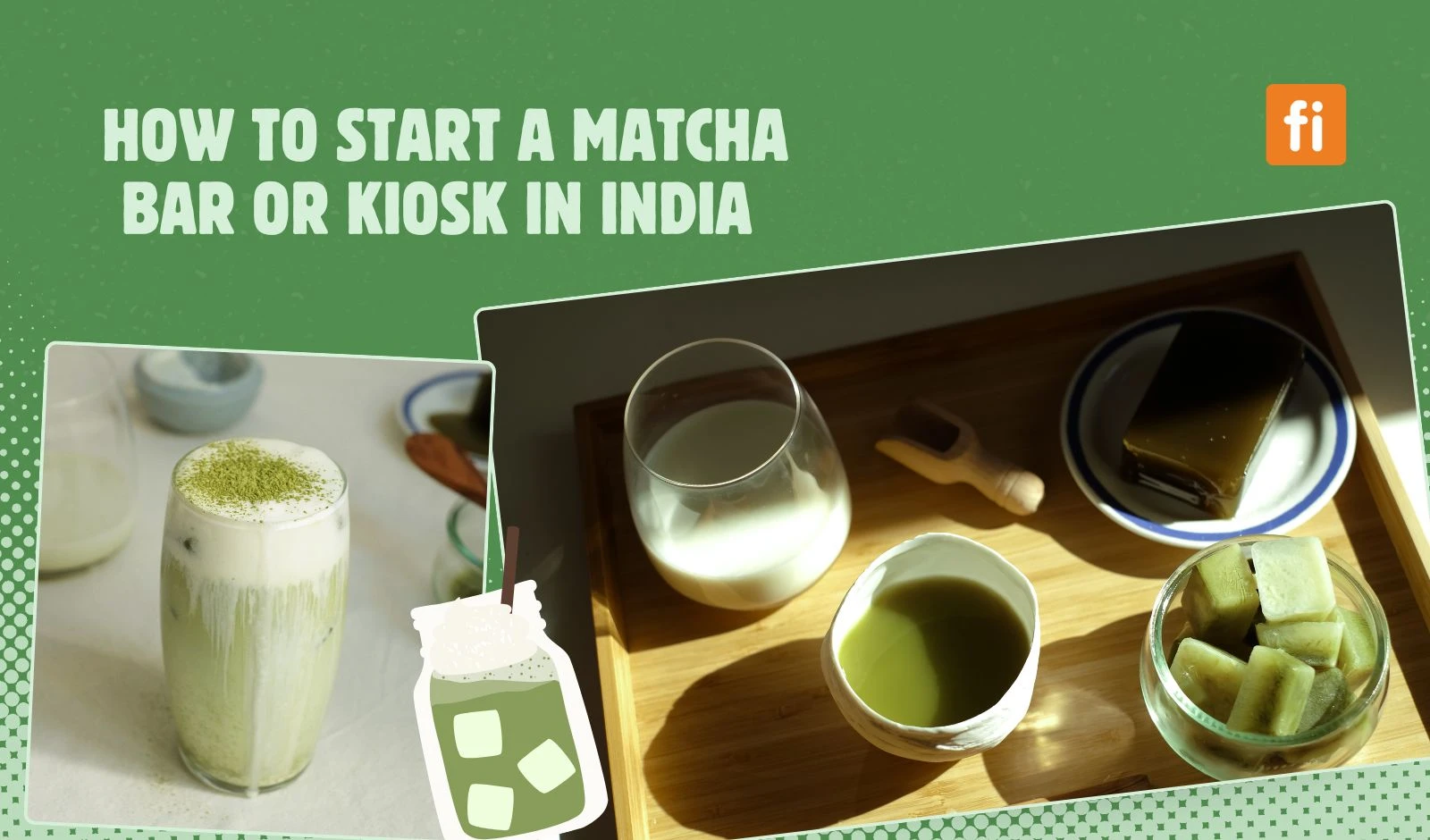
The morning cup of coffee may no longer be the only option when seeking that caffeine boost. Matcha, a unique mix of naturally-occurring L-theanine and antioxidants has taken root as an increasing number of consumers seek the smoothness that this alternative provides. This has led to a rise in interest in this unique brew which boasts a distinctiveness from both a flavour and colour perspective and aligns well with the wellness movement. It’s now gaining momentum amongst younger urban consumers. With that growth comes opportunities in new formats — including matcha bars and kiosks offering everything from lattes to iced versions, fruit-based combinations and matcha desserts.
Decisions regarding locations and associated set up costs are crucial to success along with considerations such as matcha sourcing and menu development and pricing strategies, licences and margins.
Key Takeaways
- Matcha is gaining attention as consumers explore alternatives to regular coffee and tea.
- A matcha business can operate through a kiosk, takeaway counter, cafe or mobile setup.
- Initial investment depends mainly on the outlet format, location, equipment and inventory.
- Matcha quality, portion size and sourcing have a direct impact on drink costs and margins.
- FSSAI registration/licensing and other applicable local registrations are part of the setup process.
What Is a Matcha Bar or Kiosk?
A matcha bar is a type of outlet which focuses on drinks, with matcha being the main feature and offering classic hot and iced lattes as well as fruit-based drinks, smoothies and desserts. A kiosk is based on the same idea but in a smaller space and is generally set up for taking orders and providing quick service.
The format that you select has an impact on the amount of space required, the setup cost, the size of the menu, and the daily sales capacity.
| Format | Space Requirement | Main Focus |
|---|---|---|
| Matcha Kiosk | 50–150 sq. ft. | Takeaway |
| Matcha Counter | 100–250 sq. ft. | Quick service |
| Matcha Bar | 300–800 sq. ft. | Dine-in + takeaway |
| Mobile Setup | 20–80 sq. ft. | Events and pop-ups |
Is a Matcha Bar or Kiosk a Good Business Opportunity in India?
Matcha is moving from a niche tea product to a more visible part of India’s cafe and beverage scene. Because consumers are looking for the naturally occurring caffeine, L-theanine and antioxidants that are found in this tea and since coffee shops are now offering a wider range of matcha lattes, iced matcha, fruit mixes and desserts on their menus, demand as well as business opportunities have increased for people who want to enter this particular segment of the market.
Entrepreneurs have the opportunity to capitalise on the trend by opening a smaller kiosk with a limited range of menu options, or they can choose to open a bigger matcha bar which has more space for seating as well as serving higher quality drinks and offering free food items in order to attract customers. But wherever you decide to set up shop, don’t forget to make it work your best for you — whether it’s a small city street stall in an urban area, or perhaps even just another cafe in your neighborhood serving specialty beverages — if people know about it then chances are good enough for them to be able afford spending some extra money buying from you.
Choose the Right Matcha Business Model
The choice largely comes down to the kind of customer experience and revenue model you want to build.
| Business Model | Customer Experience | Suitable For |
|---|---|---|
| Matcha Kiosk | Quick, takeaway-led | Malls and high-footfall areas |
| Takeaway Counter | Fast ordering | Offices, colleges and busy streets |
| Matcha Bar | Longer visits | Premium commercial locations |
| Mobile Matcha Setup | On-demand | Events and pop-ups |
A kiosk or takeaway counter keeps operations straightforward, while a matcha bar gives greater scope for food, seating and premium offerings. A mobile setup works around event-based demand without depending on one fixed location.
Matcha Bar or Kiosk Startup Cost in India
The investment depends on the outlet format, rental terms, equipment and opening inventory. A small takeaway setup needs less capital than a full-service matcha bar with seating and interiors.
| Expense | Indicative Cost |
|---|---|
| Kiosk/interior setup | ₹1.5–4 lakh |
| Matcha equipment | ₹50,000–1.5 lakh |
| Initial ingredients | ₹30,000–75,000 |
| Packaging | ₹15,000–40,000 |
| Branding & signage | ₹25,000–75,000 |
| Licences & registrations | ₹10,000–30,000 |
| POS & billing | ₹15,000–40,000 |
| Security deposit/rent | ₹1–4 lakh |
| Initial marketing | ₹20,000–50,000 |
| Working capital | ₹1–2 lakh |
Indicative total investment: around ₹5–14 lakh for a small-to-mid-sized setup, with premium locations and larger bar formats requiring more capital.
Costs vary by city, outlet size, rental terms, equipment quality and business model.
How to Choose a Location for a Matcha Bar or Kiosk
Location matters because matcha is still a relatively premium beverage category. The outlet should be placed where customers already spend on cafes, wellness products and specialty drinks.
Look for locations near:
- Corporate offices and IT hubs
- Colleges and universities
- Premium residential areas
- Malls and food courts
- Gyms and wellness centres
- High-street shopping areas
Before finalizing your property, you need to consider foot traffic, competitors around the area, average transaction sizes, rental costs, and peak customer hours. A smaller property in a busy area is usually more beneficial than a larger one with low customer traffic.
Matcha Bar Equipment and Setup Requirements
A matcha outlet does not need a large commercial kitchen if the menu focuses mainly on beverages. The equipment should support consistent preparation, quick service and proper ingredient storage.
Essential Equipment
| Equipment | Purpose |
|---|---|
| Matcha bowls and whisks | Preparing matcha |
| Fine sifter | Removing powder lumps |
| Digital weighing scale | Consistent portions |
| Milk frother | Preparing lattes |
| Blender | Frappes and blended drinks |
| Refrigerator | Milk and ingredient storage |
| Ice maker/storage | Cold beverages |
| Water purifier | Consistent water quality |
| POS machine | Billing and order tracking |
Keep the setup aligned with the menu. Adding specialised equipment before there is enough demand increases the initial investment without necessarily improving sales.
How to Source Matcha for Your Business
Matcha is the core ingredient, so consistency in quality, taste and supply should be a priority when selecting suppliers. The right product also depends on the menu: a cafe serving lattes and flavoured drinks does not necessarily need the same grade used for traditional tea preparation.
Before placing bulk orders, compare suppliers on:
- Matcha origin and grade
- Wholesale price and minimum order quantity
- Freshness and shelf life
- Packaging and storage requirements
- Supply consistency
- Testing or quality documentation
- Delivery timelines
For regular cafe use, food-grade matcha suited to beverages is generally more practical than using expensive ceremonial-grade powder across the entire menu. Start with samples, test the flavour in your recipes and then negotiate bulk procurement once the preferred product is established.
Build a Matcha-Focused Menu
A focused menu keeps preparation simple while giving customers enough variety to try different flavours. Start with a few core drinks and add seasonal or premium options based on demand.
| Category | Menu Options |
|---|---|
| Classic | Hot Matcha, Matcha Latte |
| Cold | Iced Matcha, Cold Matcha Latte |
| Flavoured | Strawberry, Mango, Vanilla Matcha |
| Alternative Milk | Oat, Almond, Coconut Matcha |
| Blended | Matcha Frappe, Matcha Smoothie |
| Food | Matcha Cookies, Brownies, Cakes |
The menu should also consider local preferences for sweetness, milk choices and portion sizes. Keeping a few signature drinks helps give the outlet a distinct identity without making the menu unnecessarily large.
Licences and Registrations for a Matcha Bar or Kiosk
The matcha outlet is a food business, so the various registrations would depend upon the form of business as well as the size and location of the operation. One of the crucial registrations that is required for food businesses in India is FSSAI Registration/License.
Various kinds of registrations would be as follows:
- FSSAI Registration/License: This is necessary for eligible food business operators.
- GST Registration: This would depend upon the turnover and the nature of supplies.
- Udyam Registration: Useful for registering the business as an MSME.
- Shop and Establishment Registration: This depends upon the state.
- Trade License: Necessary wherever applicable according to local laws.
- Other fire and local permissions: These depend upon the premises as well as the location.
Check the applicable requirements for the specific state and premises before starting commercial operations.
How to Price Drinks
Pricing should cover the cost of matcha, milk, flavours, ice, packaging and other operating expenses while leaving room for profit. Premium positioning also gives a matcha outlet scope to charge more for speciality combinations.
| Drink | Indicative Selling Price |
|---|---|
| Classic Matcha | ₹150–220 |
| Matcha Latte | ₹180–280 |
| Flavoured Matcha | ₹200–320 |
| Strawberry/Mango Matcha | ₹220–350 |
| Matcha Frappe | ₹220–350 |
Before fixing the menu price, calculate the cost per serving for each drink. Keep portion sizes standard across orders so that ingredient usage stays predictable and margins are easier to track.
Matcha Bar Profit Margin and Revenue
The selling price of a matcha drink looks attractive, but the real picture comes from how many cups the outlet moves each day. A simple menu with controlled portions and repeat customers helps keep beverage costs predictable.
For example, if a matcha outlet sells 80 drinks a day at an average price of ₹220, monthly sales from beverages would be about ₹5.28 lakh over 30 days.
| Metric | Example |
|---|---|
| Average selling price | ₹220 |
| Daily drinks sold | 80 |
| Monthly operating days | 30 |
| Monthly beverage sales | ₹5.28 lakh |
From this revenue, the business needs to cover matcha and other ingredients, packaging, salaries, rent, utilities, marketing and other operating expenses. The remaining amount represents the operating surplus before taxes and other business-level costs.
Marketing a Matcha Bar or Kiosk
Matcha is an inherently unique product, and that provides ample content to promote a new outlet on social media.
Ways that would be useful for creating visibility would be:
- Instagram and short clips: Displaying how drinks are made, new flavors, and experience at the outlet.
- Google Business Profile: Helping locals find the outlet through searches.
- Launching offers: Using combo offers and drink offers to help people try.
- Collaborations with creators: Partnering with local food, lifestyle, and wellness creators.
- Loyalty program: Giving loyal customers a reason to keep returning.
- Pop-ups: Take the brand to colleges, offices, fitness events and lifestyle events.
A recognisable visual identity and a few signature drinks can also help the outlet stand out from general cafes selling matcha as just another menu item.
Challenges in this Business
Matcha has strong novelty and premium appeal, but the business also comes with a few practical hurdles:
- Raw material cost: Good-quality matcha can be expensive, affecting drink margins.
- Supply consistency: Changes in availability, pricing or supplier quality can affect the menu.
- Customer education: Some customers may find matcha’s earthy, slightly bitter taste unfamiliar.
- Premium pricing: Higher ingredient costs can push prices above regular tea or coffee.
- Competition: Cafes and beverage brands are increasingly adding matcha to their menus.
- Taste consistency: Differences in preparation, water temperature and portioning can change the final drink.
A clear menu, standardised recipes and dependable sourcing help keep these challenges under control.
FAQs
1. Can I start a matcha business without owning a cafe?
Yes. A dedicated cafe is not essential. A takeaway counter, kiosk, mobile setup or pop-up model provides alternatives for testing the concept before committing to a full cafe.
2. How long does matcha powder stay fresh?
Once opened, matcha is best protected from heat, light, moisture and air. Store it in an airtight container in a cool, dry place and follow the supplier’s recommended storage and use-by instructions.
3. Can a matcha bar sell products other than drinks?
Yes. Matcha can be extended into cookies, cakes, brownies, soft-serve, smoothies and other desserts. These additions give customers more ways to experience the product while creating additional menu categories.
4. How do I make my matcha brand different from a regular cafe?
Build the identity around matcha rather than treating it as one item on a large beverage menu. Signature drinks, distinctive presentation, seasonal flavours, focused branding and a consistent customer experience help create a more specialised concept.
Conclusion
With the rising popularity of matcha across India, we are seeing interesting opportunities emerge for more specialized beverage concepts ranging from kiosks to dedicated matcha bars. While their entry points might differ depending on formats, locations & scales, some basics would apply – quality sourcing of matcha, focus on specific menus, consistency in brewing/ingredients, price points and registrations, among others.
Entrepreneurs could consider starting off smaller, figure out which beverages/drinks are popular, learn about customers’ tastes, etc., and then expand accordingly.
Explore more food and beverage franchise opportunities with Franchise India and find a business model that fits your investment and goals.
Read More: Recode Studios Takes Omnichannel Retail to Six Cities with Seven New Kiosks