61
/ 6
Min Read
61
/ 6
Min Read



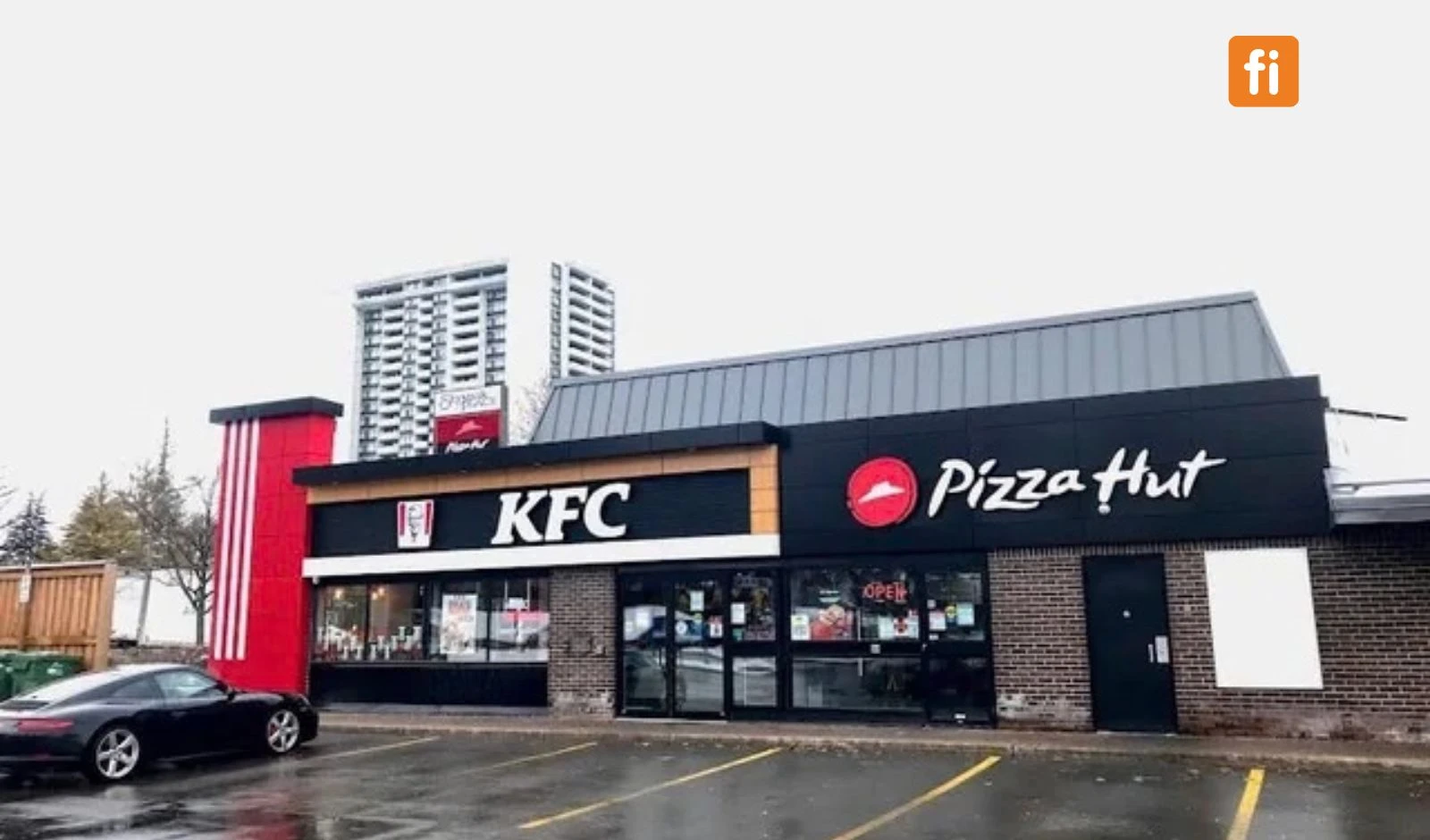
India's highways used to offer a roadside dhaba, a fuel pump and little else. That is changing fast. New expressways are cutting travel times and highway plazas are turning into retail hubs where quick-service restaurants sit alongside fashion, footwear and lifestyle stores, next to fuel, EV charging and clean washrooms. For brands, the numbers are hard to ignore: conversion rates up to three times those of high-street stores, and margins that beat most city formats.
The infrastructure boom behind it
The shift starts with the roads. As of March 31, 2025, India had 21 operational expressways, with projections of 35–45 by FY2029 and 55–65 by FY2034. The largest, the Delhi–Mumbai Expressway, stretches 1,350 km and is opening section by section.
The government is also building places for travellers to stop and spend. The National Highways Authority of India (NHAI) is targeting the development of 1,000 Wayside Amenities, planned every 40–60 km along national highways and expressways, with facilities including fuel stations, EV charging, food courts, retail shops, ATMs, children's play areas and toilets with showers. Each upcoming site is also meant to include a "Village Haat" selling local handicrafts, handlooms, food and fruit. In other words, retail is written into the blueprint of India's new highways.
"When people can cover 300–400 km in a day without fatigue, they start planning meal stops the way they would in a city, looking for a brand they trust, not just whatever's available," says Kabirjeet Singh, CEO of Burger Singh. "That's a real shift from the dhaba-or-nothing calculus of even a decade ago."
From pit stop to shopping stop
The same trust that brings a traveller to a branded burger counter carries over to sneakers, a jacket or a last-minute gift. The food court brings people in, and the stores around it turn a 20-minute break into a shopping stop. Apparel, footwear, sportswear, convenience and local-craft stores are all finding that a traveller with time on their hands is a customer in the making.
Devyani International, one of India's largest QSR operators, points to another force: faster connections to religious and tourist towns. Pilgrimage and leisure traffic is rising and travellers want more choice and clean washrooms along the way. Organised brands are well placed to offer both.
The plaza model adds to the appeal. Singh calls EV charging "a gift for our category," because it creates a captive customer with 20–30 minutes of dwell time. That is just as valuable to a clothing store as to a burger counter.
The market opportunity
The wider food-service market gives a sense of scale. India's quick-service restaurant market is expected to grow from USD 27.80 billion in 2025 to USD 30.37 billion in 2026, reaching USD 47.28 billion by 2031. Travel is the standout segment within that: standalone stores accounted for about 72% of footfall in 2025, but travel hubs are forecast to grow at an 11.25% CAGR through 2031.
Overall retail demand is strong as well. Indian retail sales rose 10% year-on-year in August 2026, according to the Retailers Association of India, heading into the festive season, which is also peak road-travel season.
The profitability paradox
A highway store does not look like a winner on the top line. Devyani International's spokesperson says delivery orders at these outlets are almost nil, so revenue is more variable and usually lower than at a regular high-street store.
The margins tell a different story. Highway outlets generally deliver 3–4% higher EBITDA, according to Devyani, thanks to lower manpower and rental costs. Supply chain costs are higher on remote stretches, but savings on staff, utilities and rent more than make up for it. The logic applies to any retailer: lower occupancy costs and a steady flow of committed customers can outweigh a smaller top line.
Conversions: where the highway wins
Conversion is the biggest draw. Devyani's spokesperson says highway outlets usually convert about three times better than high-street stores, because travellers have few choices and the next stop could be far away.
On the ground, the gap is still large. An official at a Nike outlet on the Murthal highway in Haryana, one of North India's busiest food-and-retail corridors, puts conversions there about 70% higher than at city stores.
"It's a captive, decided customer," says Singh. There is no discovery friction and no competition from delivery apps or a dozen nearby options.
Ticket size, dwell time and peak hours
Operators see ticket size a little differently. Burger Singh finds tickets skew higher because families "order for the whole car." Devyani says they are roughly the same as in cities and depend on the category. Both agree that dwell time is longer, because the highway stop is a planned break rather than a quick errand, which gives shoppers time to browse.
Peak hours depend on where the outlet sits on the route. Devyani notes that stores near big cities often see a breakfast rush, those midway catch lunch, and those near destination towns peak at dinner. Weekends and holiday seasons bring much sharper spikes than in cities, since road-trip traffic itself rises.
More than a stop: an incremental revenue engine
"This is pure direct incremental revenue," says Devyani's spokesperson. A good experience on the road also raises visits to a brand's city stores and brings in customers who might never have walked into them otherwise.
Singh sees a triple benefit: high brand recall, direct sales and a lead-generation engine. "A family that stops at a Burger Singh on a road trip carries that memory back to their home city," he says. Some of those travellers later ask about opening a franchise. "A single highway outlet is doing brand-building, direct revenue, and lead generation for expansion, simultaneously."
The untapped market: small-town India
The biggest opportunity may be the small towns along these corridors. Devyani notes that many have real money and disposable income but not enough volume to support branded stores of their own. Their residents now drive 20 to 60 minutes to a highway plaza to buy the brands they want, whether that is a meal, a pair of shoes or a new outfit. For them, the highway store has become their local store.
With dozens of new expressways on the way, up to 1,000 planned wayside amenities, rising EV adoption and a large base of aspirational small-town consumers, highway retail is becoming a format in its own right. It converts better, earns higher margins and keeps building the brand long after the customer has driven away.