 58
/ 13
Min Read
58
/ 13
Min Read



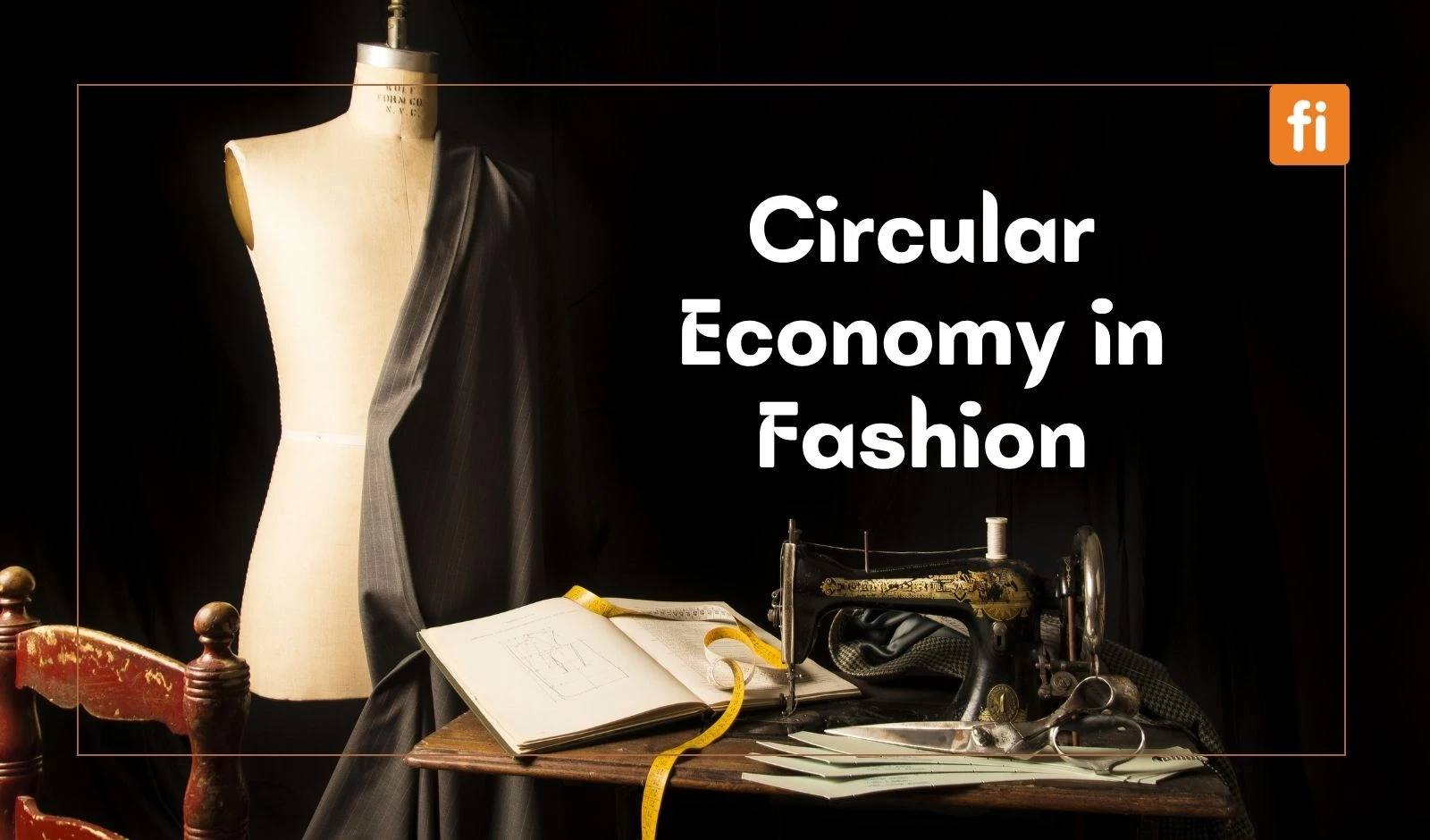
Fashion has always been following a linear approach; create, buy, wear, and throw away. But now, with changing fashion trends and people’s increasing preference for second-hand clothes, reusing of clothes and recovering textiles is giving way to new business ideas in India. Circular business approach in fashion means going from linear fashion which focuses on disposal to fashion that extends the life of the clothes through resale, renting, repairs, upcycling, and recycling.
This provides various possibilities for budding entrepreneurs to start businesses with the available sources of resources instead of manufacturing alone. There are various considerations that one should be aware of before venturing into this emerging sector.
Key Takeaways
- Circular fashion creates business opportunities through clothing resale, rental, repair, upcycling and textile recycling.
- Entrepreneurs can choose an online, home-based, workshop or physical retail model based on their budget and capabilities.
- Investment depends on inventory, equipment, workspace, sourcing and operational requirements.
- Business registration, GST, consumer protection and environmental compliance depend on the chosen model and activities.
- Profitability relies on sourcing costs, product quality, inventory turnover, pricing and consistent customer demand.
What Is a Circular Economy in Fashion?
Circular economy in fashion refers to an economic system whereby clothes, textiles, and fabric materials are utilized for as long as possible without being disposed of. It is contrary to the conventional way of manufacturing, purchasing, and disposal of clothing products since it emphasizes reusing, repairing, reselling, renting, and recycling of such products.
It gives entrepreneurs an opportunity to get profits from materials or products that have already lost their value due to the first use. Thus, second-hand clothes can be washed and sold once again; meanwhile, damaged clothes can be repaired or recycled in any way possible. The unsuitable for reuse textile waste can also be processed through proper recycling channels.
Differing from the usual fashion retail that operates based on sales of newly produced items, the circular fashion business is characterized by multiple ways to generate value at different life-cycle stages of the garment. Entrepreneurs dealing with such a kind of business also should pay attention to the product longevity, sustainability of material sourcing, waste prevention and recovery.
This model includes the combination of business and efficiency of resources and gives many options for establishing a fashion-oriented business.
Circular Fashion Business Models in India
Circular fashion has various business models that entrepreneurs can explore based on their investment ability, textile materials availability, and market for their products. These include businesses that work on prolonging the life span of clothes, as well as those that recycle materials and produce new items from them.
1. Second Hand Clothes and Thrift Shop
The thrift shop offers second hand clothes which have been purchased from either individuals, collection drives or authorised vendors. An entrepreneur may begin with an online store which is built through social media or e-commerce websites and then venture into opening up a physical shop. By choosing clothes based on quality, style, condition and demand, a unique collection is created.
2. Clothing Resale and Consignment
Through the consignment concept, the customer brings his/her clothes to be sold and the business earns income after the clothes are sold. Unlike in the case where one buys clothes first, the consignment concept cuts down the cost of purchasing the inventory. Product listing, pricing, enquiries, payments and deliveries are some of the tasks performed by the business.
3. Garment Re-Patching & Alteration
Garments are made reusable with the help of re-patching and altering with the help of stitching, resizing, replacing zippers, patchwork, and restoration. One can initiate their business from a tailor's shop or even at home, catering to individuals, boutiques, and clothing stores. There are specialized ways of altering garments, including altering denims and restoring premium garments.
4. Upcycled Fashion Products
Upcycling refers to the creation of new products using old clothing, scraps of fabric and excess fabrics. Tote bags, accessories, patchwork jackets, cushion covers and other lifestyle items are examples of upcycling products. The design and material recovery process can help entrepreneurs create their unique collection from available materials.
5. Clothing Rental Service
Clothing rental service is one where people can rent clothes for a certain period instead of buying them. Occasion wear, wedding dresses, designer clothes and maternity wears can be some of the categories. The income will be generated from renting clothes, but cleaning, maintaining, storing and managing damages are key operational aspects.
6. Collection and Recycling of Textiles
This model will gather discarded garments and textile waste and sort them according to their quality and content before sending them for further reuse and recycling as appropriate. Companies may be paid for these services through the collection agreements, sorting services, or selling recycled materials, based on their business activities. Direct processing of textiles will involve having adequate resources.
7. Return and Resale Services for Brands
The entrepreneurs will be able to collaborate with fashion brands and assist them in taking back and reselling the clothes and handling them in the process. The services will involve collection logistics, assessing the conditions of the clothes, tracking the inventories and coordination with the recycling partners.
Opportunities for Entrepreneurs in India's Circular Fashion Market
There are several possibilities in the Indian circular economy for fashion that lie beyond traditional clothing. The entrepreneur may target particular segments of the market, or those which are under-served categories or services where their clothes will serve longer.
- Thrift stores online: Source pre-used clothing for students, young professionals and those people looking for unique pieces of clothing at affordable prices.
- Traditional and special occasion wear resale: Design a collection for sarees, lehengas and other special occasion wear, which is meant to last beyond a single event.
- Clothing repair and restoration: Target those customers who wish to prolong their expensive clothing, jeans, leather wear and everyday wear.
- Accessory from upcycling: Use the extra fabric and scrap fabric to make bags and other home décor items.
- Renting and wardrobing service: Choose from occasion wear or maternity wear or any other category, which your customer uses for some period.
- Textile recycling partners: Help fashion houses to collect, classify and recycle or reuse their fabric.
The right opportunity lies in having the right material, demand for the same and management of business. Identifying the category and doing customer research before launching the entire line of products can be helpful for entrepreneurs.
How to Start a Circular Fashion Business in India
To establish a circular fashion business, a business model, a reliable source base, and a functional operational plan within the given budget must be developed. Below is a guide on how to convert the idea into a fully-fledged business.
1. Pick a Business Model
Choose the type of business you wish to run – be it resale of clothes, consignment, repair, upcycling, rental or textile recycling. Evaluate your skill set, investment potential and availability of appropriate clothes/materials before choosing the business model.
2. Determine the Customer Base
Determine your target customers by researching your competitors and market trends. For instance, students or young professionals may require cheap second-hand clothing products while others will want rentals for occasion wear.
3. Source Products
Source your products from individual owners, thrift stores, boutiques, clothing manufacturing units and textile production units depending on your chosen business model. Establish criteria for the condition, material type, price of the garment and collection procedures. If you choose consignment, ensure that there is documentation to show the ownership of the item and the commission.
4. Find a Place to Run the Business
An online business needs space to store inventory, take photos of products, package them and ship them to buyers. For repair or upcycling services, you need a suitable workspace. In case of a rental business, you will need space for storage and garment care.
5. Implement Quality Control and Inventory Processes
Develop guidelines regarding checking, cleaning, repairing, grading, and photography of clothes. Maintain an inventory system, monitor sales and recognize the slow-moving inventory. Similarly, it is important for rental and resale services to have return, damage, and complaint policies in place.
6. Develop Sales and Marketing Channels
Develop channels through which to contact customers. Provide information about your products’ description, size, and condition through website or social media channels. It is recommended that you try out a small range of products/services before going into full-fledged operations.
Investment and Setup Cost
A circular fashion business needs to make an investment, depending on how the business will operate, inventory, and infrastructure. The business needs more money to open a brick-and-mortar rental or textile recycling plant as compared to the resale business online.
| Business model | Indicative initial investment |
|---|---|
| Online thrift store | ₹25,000–₹80,000 |
| Clothing resale and consignment | ₹30,000–₹1 lakh |
| Repair and upcycling studio | ₹50,000–₹2 lakh |
| Clothing rental service | ₹2–₹6 lakh |
| Physical thrift store | ₹2–₹8 lakh |
| Textile collection and sorting | ₹2–₹10 lakh |
This is just a rough figure based on preliminary planning, but it is not the actual cost benchmark of an official nature. The amount to be invested will depend on location, size, inventory, and equipment. Processing machines and industrial recycling plants are not included in the collecting and sorting figure.
In order to embark on the venture, entrepreneurs must budget for the equipment, inventory, facility, packing and delivery services, and marketing. Additionally, they must have some working capital, which will last them for a few months at least. Beginning the business with a small number of products and an at-home operation would keep costs low to start with.
Sourcing, Quality Control and Daily Operations
Consistent sources and high-quality clothing are a necessity in a circular fashion firm. The entrepreneurs may choose to source their clothes from individuals, work with boutiques and retail stores or even get the excess fabrics from the manufacturers.
It is important to carry out an assessment of the condition of each garment to determine any dirt, damage, fabric type and authenticity when necessary. Cleaning, mending of defects, sizing and good photography are important in order to instill consumer trust. Upcycling requires further assessment of the strength of the material and the stitching of the garment.
On a daily basis, there will be a need to manage the stock, process orders, deal with deliveries and address issues of returns or complaints. Garment tracking, cleaning and damage protocols are required for rentals whereas textile collection requires sorting of materials according to their condition and composition.
Profitability and Revenue Potential
A circular fashion business earns through product sales, service fees, rentals, commissions or recovered materials. Profitability depends on sourcing costs, pricing, inventory turnover and operating expenses. The following table illustrates how different models generate revenue.
| Business model | Revenue source | Key costs affecting profit |
|---|---|---|
| Online thrift store | Sale of pre-owned garments | Stock purchases, cleaning, packaging and marketing |
| Consignment store | Commission on completed sales | Platform, logistics and customer service |
| Repair and alteration | Fees per repair or service | Labour, equipment and materials |
| Upcycled fashion | Sale of redesigned products | Fabric sourcing, design, labour and packaging |
| Clothing rental | Rental fees per booking | Garment purchases, cleaning, storage and repairs |
| Textile collection | Collection contracts and recovered-material sales | Collection, transport, sorting and processing |
Example: Monthly Profit Calculation for an Online Thrift Store
Consider a small online store selling 100 garments per month at an average selling price of ₹700.
| Financial item | Monthly amount |
|---|---|
| Sales revenue (100 × ₹700) | ₹70,000 |
| Garment sourcing | ₹25,000 |
| Cleaning and repairs | ₹5,000 |
| Packaging and delivery | ₹7,000 |
| Marketing and other expenses | ₹13,000 |
| Total expenses | ₹50,000 |
| Estimated operating profit | ₹20,000 |
This illustration represents an operating margin of approximately 28.6%, before taxes and any additional expenses not listed. Actual results depend on product quality, unsold stock, returns, pricing and customer demand. Entrepreneurs should monitor monthly costs and inventory turnover before expanding.
Registrations, Licences and Compliance
The types of registrations and licenses necessary for a circular fashion business will vary based on its structure and functioning.
- Business license: Select the appropriate type of structure such as proprietorship, partnership, LLP or private limited firm. In case of companies and LLPs, follow the procedure as prescribed by the Ministry of Corporate Affairs.
- Udyam registration: If the firm is eligible, it can apply for registration through the Udyam Registration website.
- GST registration: Depending on turnover, mode of sale and provisions of GST, one may or may not require GST registration. Online businesses must be aware of the specific requirements of their models.
- Consumer and e-commerce compliance: Any online business should be in line with all the applicable regulations concerning consumer rights.
- Environmental permissions: In the case of physical shops and workshops, it should be aware of the local and environmental regulations that would be applicable to it. This will also apply to textile processing units.
Entrepreneurs should verify their specific obligations through official portals, including the Ministry of Corporate Affairs, Udyam Registration, GST and the Central Pollution Control Board or relevant State Pollution Control Board. Requirements differ by activity, location and scale; not every circular fashion business needs the same licences.
Challenges and How to Manage Them
Circular fashion businesses face operational challenges that require careful planning.
- Inconsistent supply: Build relationships with multiple suppliers and establish clear collection standards to maintain reliable inventory.
- Quality and hygiene concerns: Inspect, clean and repair garments before resale or rental, and disclose defects accurately.
- Changing customer preferences: Track sales trends and customer feedback to avoid accumulating slow-moving stock.
- High operating costs: Monitor sourcing, storage, cleaning, delivery and marketing expenses to protect margins.
- Textile recycling limitations: Separate materials by fibre type and condition, and work with suitable recycling partners, particularly for blended fabrics.
- Customer trust: Use transparent pricing, clear return policies and accurate product descriptions to encourage repeat business.
Starting with a focused product category and expanding after testing demand helps entrepreneurs manage these risks while maintaining service quality.
FAQs
1. What is the difference between circular fashion and sustainable fashion?
Sustainable fashion focuses on reducing the environmental and social impact of clothing production and consumption. Circular fashion specifically emphasises keeping garments and materials in use through resale, repair, rental, reuse and recycling.
2. Which circular fashion business is suitable for beginners?
An online thrift store, clothing resale service or repair business offers a practical starting point for entrepreneurs with limited capital. The right choice depends on available skills, sourcing networks, customer demand and operating costs.
3. How do circular fashion businesses attract customers in India?
Businesses can attract customers through social media, influencer collaborations, styling videos, referral programmes and partnerships with local communities. Showing garment condition, quality, styling options and transparent pricing helps build trust and encourages repeat purchases.
4. What skills are required to run a circular fashion business?
The required skills depend on the model. Resale businesses benefit from product selection, merchandising and digital marketing skills, while repair and upcycling require garment construction and design knowledge. Rental and recycling ventures also need inventory management, logistics coordination and supplier relationship skills.
Conclusion
There are many models for starting up a business within the circular economy of the fashion industry in India. What suits an entrepreneur is determined by the amount of investment, the skills he possesses, his network of sources and customers. It starts with having a niche and keeping the quality of the products high along with controlling the cost of operation.
The challenge for the budding entrepreneur is how he can create value out of clothes and other raw materials for a longer period of time and make a successful business.
Plan your next venture with Franchise India.
Read More: Arvind Fashions Arm Invests ₹50 Cr in AYBPL