1365
/ 3
Min Read
1365
/ 3
Min Read


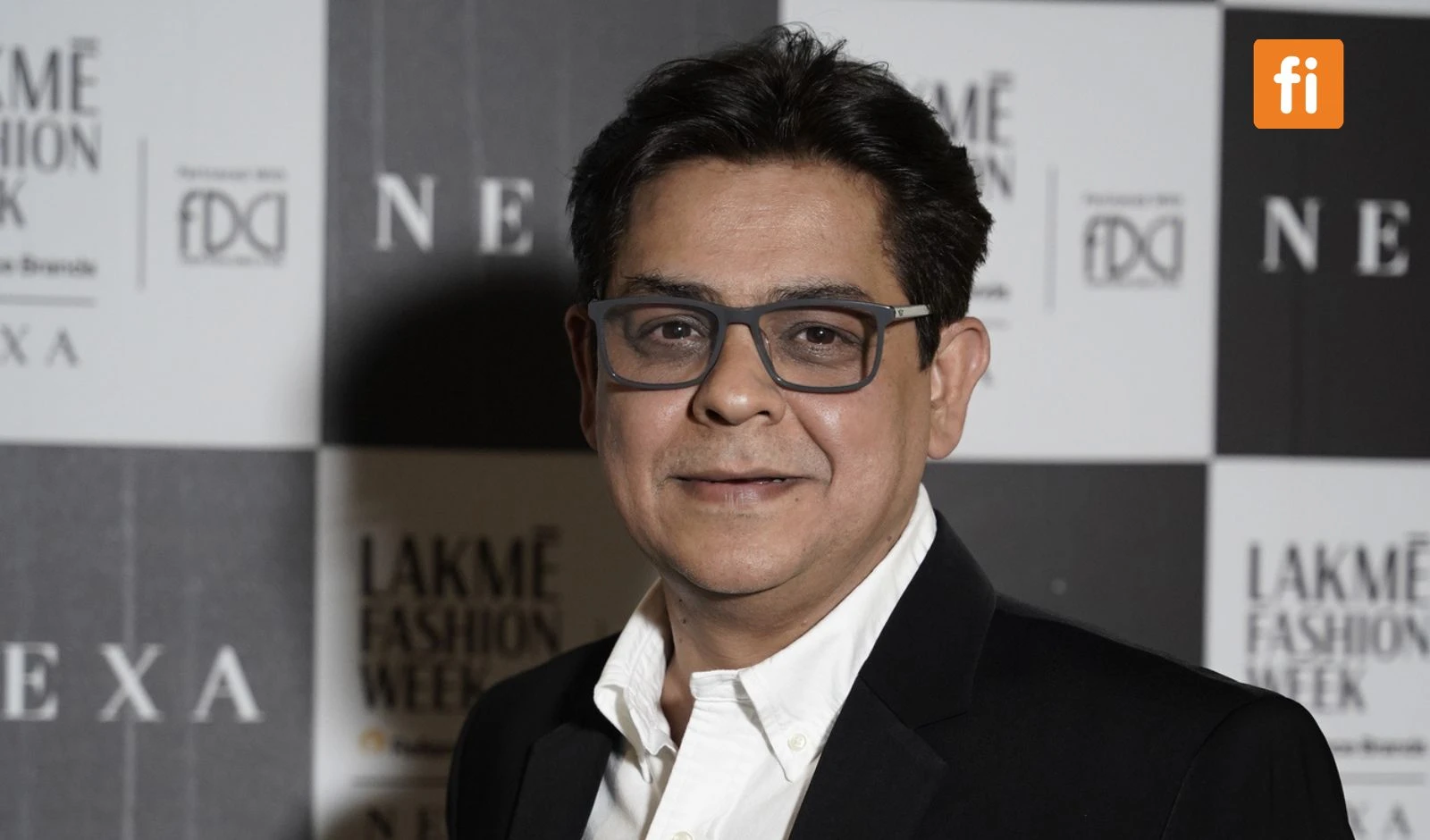
India’s franchise sector is at an inflection point. With consumer behaviour shifting rapidly, technology reshaping how businesses operate and new markets opening up beyond the metros, the opportunity for franchise growth has never been greater, but neither has the complexity of navigating it. For those looking to invest, scale or simply understand where the industry is headed, Vipul Chaturvedi, CEO of Lakmé Salons spills beans on one of India’s most recognised beauty and wellness franchise networks.
Chaturvedi shares his perspective on the forces shaping the sector and the mindset entrepreneurs will need to thrive in the years ahead.
Digital Meets Local
The single biggest trend shaping franchising in India today, he believes, is the powerful convergence of digital sophistication with hyper-localisation. As India’s consumer class expands rapidly into Tier-2 and Tier-3 cities, franchise brands are being asked to do something far more nuanced than simply replicate a successful model — they must deliver world-class experiences that feel genuinely local.
“Consumers expect global-quality experiences tailored to their neighbourhoods,” says Chaturvedi. “Successful franchise brands are those that empower their partners with strong technology, data insights and the ability to deliver consistent experiences across every touchpoint.”
In practice, this means franchise systems must invest deeply in giving their partners the right digital tools from customer analytics to inventory management to personalised marketing, while simultaneously allowing the flexibility to connect authentically with local communities. It is a delicate balance and brands that get it right are the ones pulling ahead.
Choosing the Right Partner, Not Just the Right Brand
For aspiring entrepreneurs looking to invest in a franchise in 2026 and beyond, Chaturvedi’s advice is both practical and pointed, do not let brand recognition be the beginning and end of your due diligence.
“Go beyond evaluating the strength of the brand and business model,” he urges. “Look at the training ecosystem, the quality of operational support and critically, the brand’s ability to bring consumer-centric innovations forward and evolve with changing trends.”
His reasoning is straightforward. A well-known brand opens doors, but it is the system behind the brand, the onboarding, the ongoing guidance, the willingness to innovate that determines whether a franchise partner truly succeeds over the long term.
“Success comes from this ecosystem helping you build disciplined execution, done right, every time, with every consumer,” he adds. “Each customer interaction is a small but significant story, and getting that story right consistently is what separates great franchise businesses from average ones.”
As India’s franchising industry continues its upward trajectory, Chaturvedi’s message is ultimately one of informed optimism. The market is ready, the appetite is strong and the tools available to franchise partners today are more powerful than ever. But the entrepreneurs who will truly win, he believes, are those who invest as much in understanding their franchise system as they do in funding it.