119
/ 8
Min Read



Every forecast about India's next decade arrives with a figure attached: GDP, growth rates, market share. As a student at The Cathedral and John Connon School in Mumbai, I wanted the story behind those figures instead.
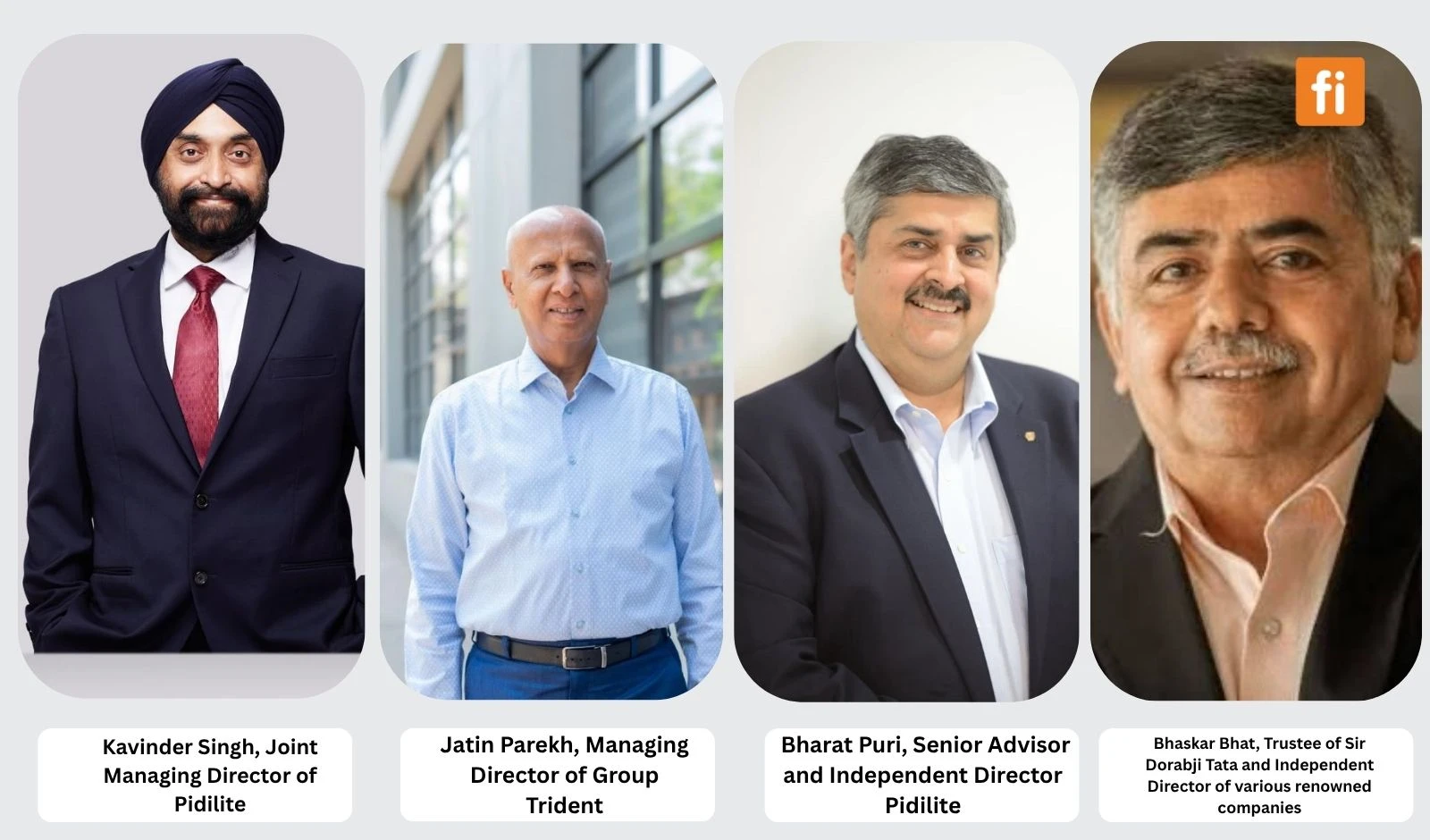
So in 2026, I sat down with four people who have spent their careers watching Indians decide what to buy and whom to believe. Bhaskar Bhat, Former Managing Director of Titan and a Tata Group board member. Bharat Puri of Pidilite Industries, who has watched Indian brands sell to three generations of the same families. Kavinder Singh, Joint Managing Director of Pidilite, a company that holds the lion's share of its category. And Jatin Parekh, Managing Director of Group Trident, who has spent twenty years running franchise retail across jewellery, apparel and kitchens.
What I found was less a market forecast than a portrait of a consumer who has quietly changed the rules. The headline is simple: the Indian shopper no longer takes brands on faith.
Trust used to be inherited. Now it is audited.
Twenty years ago, an Indian family bought a watch, a glue or a soap because their parents had. Brand loyalty was handed down like the family recipe book. Every leader I spoke to agrees that era is over, though each describes the shift differently. For Mr. Bhat, the idea of trust hasn't changed at all; what has changed is how people judge it. Today's consumer reads the label, expects transparency, and looks at how a company treats its own employees before deciding whether to believe its ads.
Mr. Puri goes further: trust is getting harder to earn. Endless choice and e-commerce have eroded the old moats brands relied on. He expects AI to start comparing and summarising options for shoppers, which means a brand's own messaging will count for less. What survives is experience, and the length of the relationship.
Mr. Singh sees the same story through discovery. A decade ago, comparison was hard and buying happened offline. Now newer brands are found on Instagram, and trust is built through peer reviews. The information gap between seller and buyer has nearly closed.
The way I would sum up the whole shift: heritage gets a brand considered, but transparency and conduct are what keep it chosen.
The paradox: more technology, more suspicion
Here is the twist. I expected better information to make shoppers more trusting. The leaders suggested the opposite.
Mr. Bhat made a point that stood out to me more than almost anything else I heard: as technology grows, suspicion grows with it. The brands people turn to will be the ones that behave responsibly. In his view, social responsibility stops being a line in the annual report and becomes a real reason to buy.
Mr. Singh sees the same anxiety from a different angle. Peer reviews closed the information gap, but now shoppers wonder whether the reviews themselves can be trusted. Fear of being scammed is rising. And trust works differently for a ₹200 purchase than for a ₹2 lakh one.
That leaves me with a question worth sitting on: is word of mouth dying, or has it simply moved online? The aunty who recommended a jeweller has become a five-star rating. Whether that rating deserves the same faith is, I think, the open question of the decade.
Shopping splits in two
Malls, then apps, then ten-minute delivery. Which format wins by 2036? Mr. Bhat's answer: none of them, alone.
Quick commerce is unbeatable for routine items. But as a market matures, people want experience and hospitality, leisure and wellbeing cannot arrive in a delivery bag. He points to the explosion of coffee shops as evidence: Indians want physical places to be among other people.
This is how I picture 2036. Anything tied to identity or experience keeps pulling people back into real spaces. The milk comes by scooter; the engagement ring is still chosen in a showroom.
"Worth it", not cheap and proudly Indian
The Indian consumer has moved from price-sensitive to brand-conscious to experience-driven in two decades. What's next? Mr. Puri doesn't name a new stage. He points back to value.
As prosperity rises, he argues, the meaning of value rises with it. Value stops meaning cheap and starts meaning worth it: quality, durability and experience weighed together. The next shopper may be defined less by a new desire than by a sharper sense of what deserves their money.
When I asked him for the boldest bet Indian retail is too timid to make, he gave the most memorable answer of all my conversations, and it wasn't about technology. Indian retail, he said, needs to be proud of being Indian and confident in its own skin, instead of borrowing a global look to seem premium.
Considering that, the next great Indian brands will win at home and abroad by being more Indian, not less.
The real race is speed
For Mr. Singh, the decade ahead is defined by digital and by pace. No business can afford to be offline. Every channel is becoming omnichannel and the shift is now reaching business-to-business selling too. AI lets buyers compare products on many factors at once.
Above all, change is accelerating faster than many producers can assess it. When I asked whether Pidilite's dominance in adhesives gets harder to hold as India scales, he talked about vigilance rather than comfort: constant innovation, close attention to customers, and an organisation that is responsive and fast-moving.
My takeaway applies well beyond glue. Market share is not something a company holds; it is something it keeps winning. The real danger for a giant is slowing down just as the market speeds up.
The brand promise breaks in the last metre
My fourth conversation took me to the shop floor. Mr. Parekh has run franchise stores for two decades, long enough to know the gap between what looks good on paper and what actually works in a store.
When I asked what still doesn't work, he didn't point to rent, footfall or competition. He pointed to execution: staff consistently following standard operating procedures, the knowledge and experience of the people on the floor, and their ability to tell the story behind a product or a collection. A strategy can be perfect at head office, but it reaches the customer through a salesperson. If that person skips the process or can't explain what makes a collection special, the brand promise breaks in the last metre.
I think this gap in training and storytelling is one of the most underrated barriers to growth, and it connects directly to the trust story. Mr. Parekh sees consumers who are more aware than ever and who expect service, authenticity and transparency. A shopper who wants the story behind a product will not forgive a salesperson who can't tell it.
So is someone starting a retail business today walking into a better India or a more complicated one? Both, he told me. The opportunity is bigger than ever: a growing population, changing mindsets and rising spending on luxury. But the field is far more crowded, with many more brands chasing the same customer. He calls it a win-win, provided the effort goes into brand building, service, customer experience and the product itself. To me, that sums up everything I heard: India 2036 is a better place to build a business, but not an easier one.
That leads to the most provocative conclusion I reached. Not one of the frictions the leaders named was about demand. Every one was about trust, speed and execution. The ceiling on India's consumer growth, I would argue, will be set by companies, not by customers.
One word for 2036
I ended my conversations the same way: by asking each leader to describe India in 2036 in a single word or phrase.
INDIA IN 2036, IN THEIR WORDS
“Positively influential” — Bhaskar Bhat
“Confident, outgoing and happy being itself” — Bharat Puri
“Dynamic and fast-moving” — Kavinder Singh
“A better India, and a more complicated one” — Jatin Parekh
Notice what's missing. No GDP target, no market size, no growth rate. Three people who run businesses on numbers all reached for attitude instead: influence, confidence, speed.
So is India's next decade transformational, or just good? My verdict is transformational, but in behaviour more than in numbers. The change isn't what Indians buy; it's how they decide. They research, compare, question, and expect brands to behave well.
I started out expecting a story about quick commerce, AI and apps. What I found was something older: trust, relationships and the experience of being served well. If I had to sum up everything I learned in one line, it would be this: India 2036 will be a better place to build a brand, but only for those who earn it every day.
Acknowledgements: I am sincerely grateful to Mr. Bhaskar Bhat, Mr. Bharat Puri, Mr. Kavinder Singh and Mr. Jatin Parekh for their time, their candour and their patience throughout our discussions. Their insight and generosity shaped every word of this article and I thank them for it.

About the Author: Aastha Mehta is a student at The Cathedral and John Connon School, Mumbai. Interview points are paraphrased from her conversations, not verbatim quotations.