



 959
/ 9
Min Read
959
/ 9
Min Read


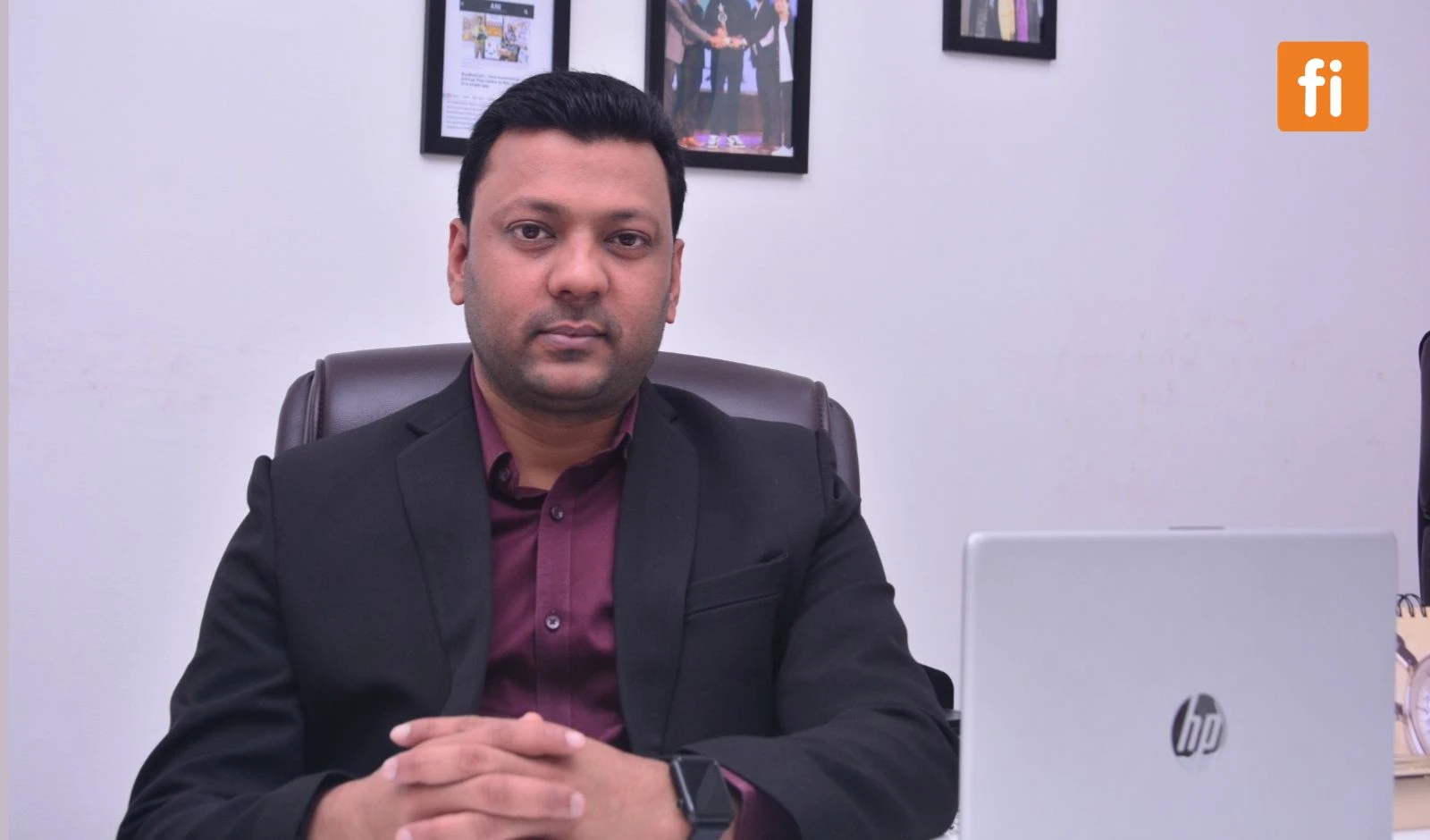
As India’s grocery scenario undergoes rapid transformation, Mr Ashish Pandey, Co-founder and CEO of BuyBuyCart, is reshaping organised retail through a distinctly partner-first philosophy. Among the country’s fastest-growing supermarket franchise networks, BuyBuyCart stands out with its pioneering Zero Franchise Fee and Zero Royalty model. Coupled with its accelerated expansion across emerging markets, the brand presents a strong leadership story within India’s increasingly dynamic retail ecosystem.
Through this conversation, we aim to spotlight the brand’s growth trajectory, franchising vision, and strategic roadmap for our nationwide community of entrepreneurs and investors.
BuyBuyCart was founded during the COVID-19 pandemic. What market gaps did you identify at that time that led to the creation of the brand?
BuyBuyCart was founded in 2021, following the observation of significant operational problems across the grocery system during the COVID-19 pandemic. Kirana stores faced difficulties because the supply chains experienced interruptions, profit margins remained low, vendor assistance was unsteady, and billing systems were outdated. Retailers in Tier 2 and Tier 3 cities faced challenges because they did not have access to organised retail facilities and established brand partnerships. We discovered a specific chance to connect traditional kirana stores with contemporary supermarket systems while maintaining the operation of local business owners. BuyBuyCart provides supply chain systems, technological solutions, and branding assistance through its partner-focused business model, which offers affordable pricing to its clients.
What inspired you and your co-founder to introduce India’s first Zero Franchise Fee & Zero Royalty supermarket model?
The system sees high franchise fees combined with continuous royalty payments as the primary obstacle that stops potential entrepreneurs from starting their business in organized retail. The majority of franchise systems focus on generating brand revenue instead of ensuring partner financial success. Our objective was to change that existing framework. We established an affordable business opportunity through our business model, which removed all franchise and royalty payments. Our business generates income through efficient supply chain operations and private label product profits, which directly support our partner achievements. The method develops trust between parties while establishing sustainable relationships for future work.
How would you define BuyBuyCart’s core mission in the context of India’s largely unorganized grocery market?
Our mission is to organize India’s largely unstructured grocery market while empowering local retailers through our support system, which protects their business operations. The goal of our project is to upgrade local stores through advanced technology, efficient inventory systems, corporate brand development, and business process management systems. We use community trust together with organized retail efficiency to help business owners develop their own businesses while keeping control of their companies. BuyBuyCart aims to create an inclusive retail transformation that can grow sustainably through the efforts of entrepreneurs.
Please explain the B2B2C model that BuyBuyCart follows and how it benefits franchise partners.
Our B2B2C model means we support business owners (B2B) who serve end consumers (B2C). BuyBuyCart manages procurement, branding, technology, marketing, and private labels centrally. Franchise partners focus on daily store operations and customer relationships. This reduces operational complexity and ensures better margins through bulk sourcing and supply-chain optimization. Partners benefit from structured backend support without paying franchise or royalty fees, enabling faster stability and long-term profitability.
The promise of a fully operational store within fifteen days is impressive. What operational strengths make this possible?
A highly structured turnkey model is the source of speed at BuyBuyCart. We guarantee smooth coordination thanks to a robust internal staff that oversees operations, supply chain, branding, and technology. Standardised shop layouts, centralised procurement, ready vendor tie-ups, and linked billing systems are all part of our plug-and-play strategy. We already have optimised logistics and private-label procurement because we use a B2B2C business model. Faster onboarding is also made possible by our zero franchise fee and zero royalty structure. We can launch a fully functional store in fifteen days with confidence if we have a predetermined execution plan that covers interiors, inventory, and training.
What were the initial challenges in building trust among small business owners, and how did you overcome them?
Credibility was the largest early obstacle. Due to hidden expenses and royalty obligations, small business owners were wary of franchising arrangements. At first, there were questions about our Zero Franchise Fee and Zero Royalty approach. We established trust through excellent relationship-building on the ground, clear explanation of our supply chain-driven revenue model, and total transparency. Trust developed naturally by providing reliable backend support and showcasing actual store performance. Our growing network now serves as evidence of our dependability.
Why did you choose franchising as the primary expansion model for BuyBuyCart? What kind of entrepreneurs are best suited to become BuyBuyCart franchise partners?
Local business owners can expand their operations quickly through asset-light franchising, which allows them to preserve their local businesses. The system unites national power through its centralized system while permitting communities to manage their local operations. The ideal partner is hands-on, growth-oriented, and deeply connected to their local market. Our company seeks operators who demonstrate self-control, prioritize customer satisfaction, and prioritize sustainable business practices. Entrepreneurs can grow their businesses under structured branding because our company provides both backend systems and supply chain operational assistance.
With 250+ operational stores already, what key factors have driven this rapid scale? How do you maintain quality control and brand consistency across such a wide network?
The three main elements that drive our business growth include our policy of no franchise fees, our ability to establish new stores rapidly, and the effective operational support system. The need for organised grocery formats increased grocery expansion in Tier 2 and Tier 3 cities. Partners who refer new customers to our business as they achieve faster break-even points and better profit margins have created an effective customer acquisition method. We achieved sustainable business growth through our methodical approach, which prioritizes unit-economics analysis.
We execute our business operations through established store design procedures, which include standard operating procedures, consistent brand identity, and centralised purchasing methods. The technology dashboards enable users to track sales performance, inventory levels, and operational metrics throughout their various business locations. The organization maintains operational standards through its regular audits and ongoing employee training programs. Our structured system of monitoring ensures that all customers receive the same high-quality service throughout our growing network of locations.
What support systems are in place to ensure long-term profitability for franchisees?
The organization delivers full support services, which include inventory planning and pricing assistance and execution of marketing activities and private-label system implementation and point-of-sale system deployment and ongoing educational programs. Partners achieve their profitability targets through the implementation of margin optimization methods. Our business generates revenue through supply chain operations and partner performance because we do not collect franchise fees, which creates a system of sustainable business operations that lasts into the future.
Private labels like B2Premium, FreshAuraa, and DivineAuraa play a significant role in your ecosystem. What was the strategy behind launching these brands?
Private labels like B2Premium, FreshAuraa, and DivineAuraa create two benefits, which increase profit margins and improve brand recognition. The system enables us to manage all aspects of product development, including product selection and pricing details and product manufacturing standards, while we provide our customers with affordable market rates. Private labels enable franchisees to achieve better profit margins than they would get from selling third-party products. Exclusive product lines that exist only within the BuyBuyCart ecosystem create dedicated customer bases that enhance customer loyalty for the brand.
How important is technology in enabling operational efficiency and transparency within your franchise model?
Our business growth and operational transparency depend on our technological capabilities. The implementation of digital solutions enables our company to enhance operational efficiency from POS systems to inventory management and demand prediction and performance evaluation. Partners obtain instant access to inventory data and sales information, which helps them make better choices while minimizing product waste. Technology maintains operational standards through its ability to preserve uniformity between locations, produce efficient results, and maintain responsible operations.
BuyBuyCart aims to scale to 1,000+ stores by 2027. What is the roadmap to achieving this milestone? Are there specific regions or markets you are prioritising in the next phase of growth?
Our organization plans to expand its operations by entering Tier 2 and Tier 3 markets while we build our supply-chain network, develop our private label products, and improve our digital platform through our application ecosystem. The company will expand its regional presence by creating leadership clusters, which will help maintain efficient business operations. The company plans slow growth through partnerships instead of using aggressive capital investment methods.
The company focuses on North India while also developing central and eastern markets that lack established retail networks. The regions provide companies with high consumer demand and business development opportunities. The initial entry into new markets establishes permanent brand presence while creating dependable partnerships.
You have indicated plans for international expansion into Gulf and South Asian markets. What opportunities do you see there?
The Gulf and South Asian markets contain substantial Indian diaspora populations, which interact with disjointed grocery store systems. Our supermarket model requires minimal investment while providing our independent retail partners in these areas with operational tools. Our structured procurement systems, together with private labels, will enable us to achieve success in India while we customize our approach to meet local consumer needs.
How do you envision BuyBuyCart’s position in India’s $900+ billion grocery ecosystem over the next five years?
India's grocery market exhibits unorganized patterns that continue to dominate despite its expansive dimensions. Our objective for the upcoming five years is to establish ourselves as one of India's most reliable partner-led supermarket networks that operate in emerging markets. Our company will focus on retail organization through our ability to create strong supply chains and implement technological solutions to support entrepreneurial growth among all members of our business ecosystem.

