


 688
/ 2
Min Read
688
/ 2
Min Read


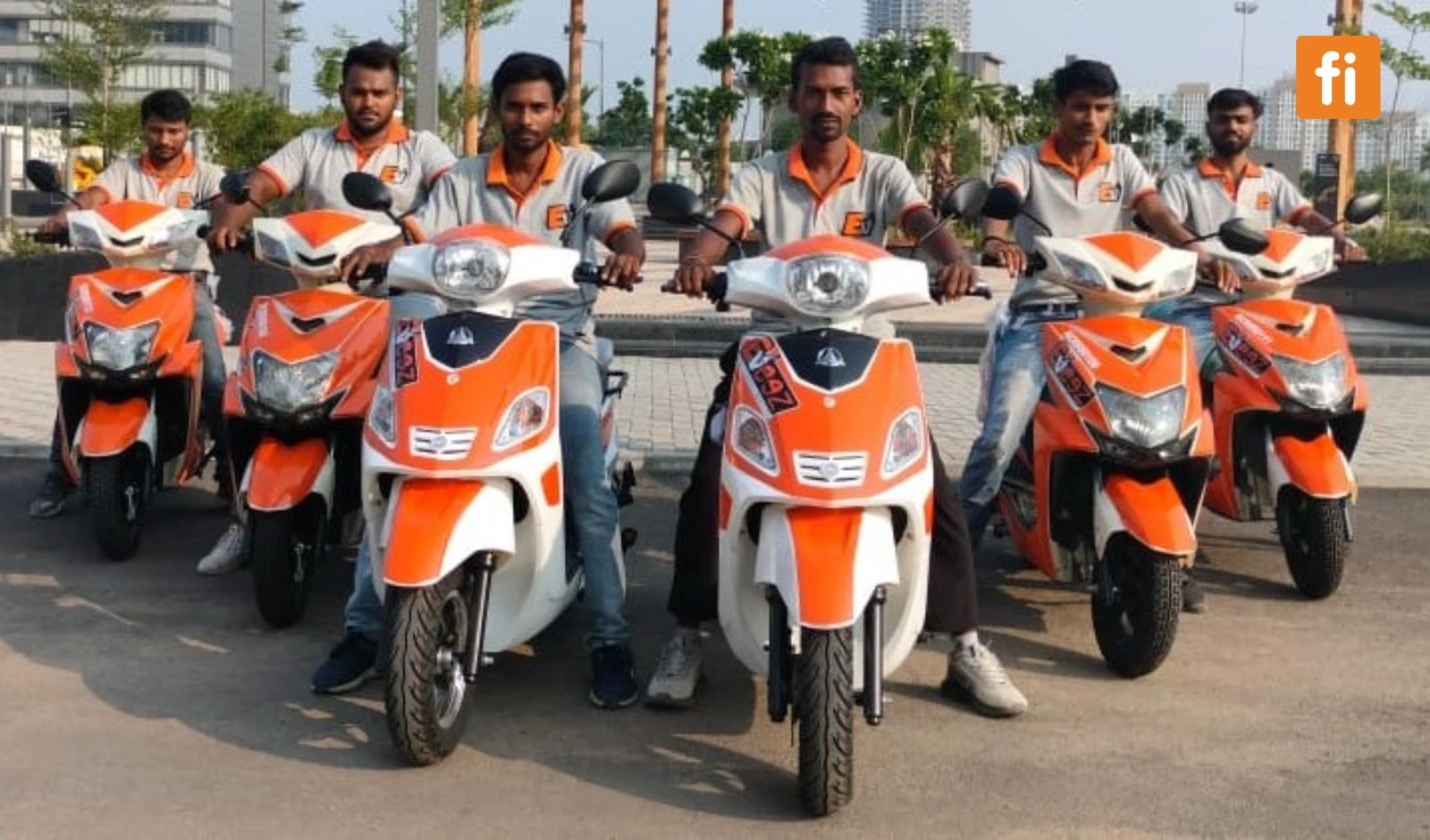
Electric mobility platform EVeez is scaling up its footprint across India as demand for EV-led last-mile delivery surges, positioning itself as a key infrastructure player in the country’s fast-growing gig and hyperlocal logistics economy.
The company, which runs a subscription-based electric two-wheeler fleet model, has grown its footprint to 18 cities through 32 active franchise outlets. The expansion aligns with increasing demand from food delivery, quick commerce, and e-commerce platforms looking for cost-effective and sustainable mobility solutions.
EVeez believes India is at a structural inflection point where rapid urbanisation, digital commerce growth, and sustainability mandates are reshaping mobility patterns. Last-mile delivery alone accounts for nearly 55 percent of total logistics costs due to route fragmentation and dense urban clusters — creating a strong case for electric two-wheelers as a more viable alternative to petrol vehicles.
Backed by improving policy support and gig economy formalisation, the addressable market is expanding quickly. According to estimates by NITI Aayog, India could have over 2 crore gig workers by 2030, further strengthening long-term demand for affordable and flexible mobility solutions.
To address this opportunity, EVeez has developed an integrated operating ecosystem that combines vehicle subscriptions, preventive maintenance, telematics, battery monitoring, predictive diagnostics, and energy optimisation under a single platform.
The firm reports that riders using its subscription model can reduce daily running costs by 40–70 percent compared to petrol vehicles, potentially improving net daily savings by ₹250–₹400. Higher uptime and lower idle time can also increase completed trips by 10–20 percent, directly boosting earnings.
For fleet operators and franchise partners, the model converts traditional upfront capital expenditure — typically ₹70,000–₹90,000 per ICE vehicle — into a predictable monthly operating cost. Improved asset utilisation of 20–25 percent and lower energy costs contribute to stronger ROI, with the company targeting annual returns in the 30–40 percent range and breakeven within 18–20 months at scale.
Looking ahead, the company plans to replicate its modular, territory-driven franchise model across additional urban clusters. By building service hubs, energy infrastructure, and rider ecosystems early in high-density markets, EVeez aims to establish defensible, infrastructure-led advantages in what it describes as an accelerating shift from petrol to electric mobility.
With multi-city scale already underway, EVeez is positioning itself not merely as a fleet provider, but as a long-term, asset-backed EV infrastructure platform aligned with both commercial growth and environmental impact.

