92
/ 6
Min Read
92
/ 6
Min Read


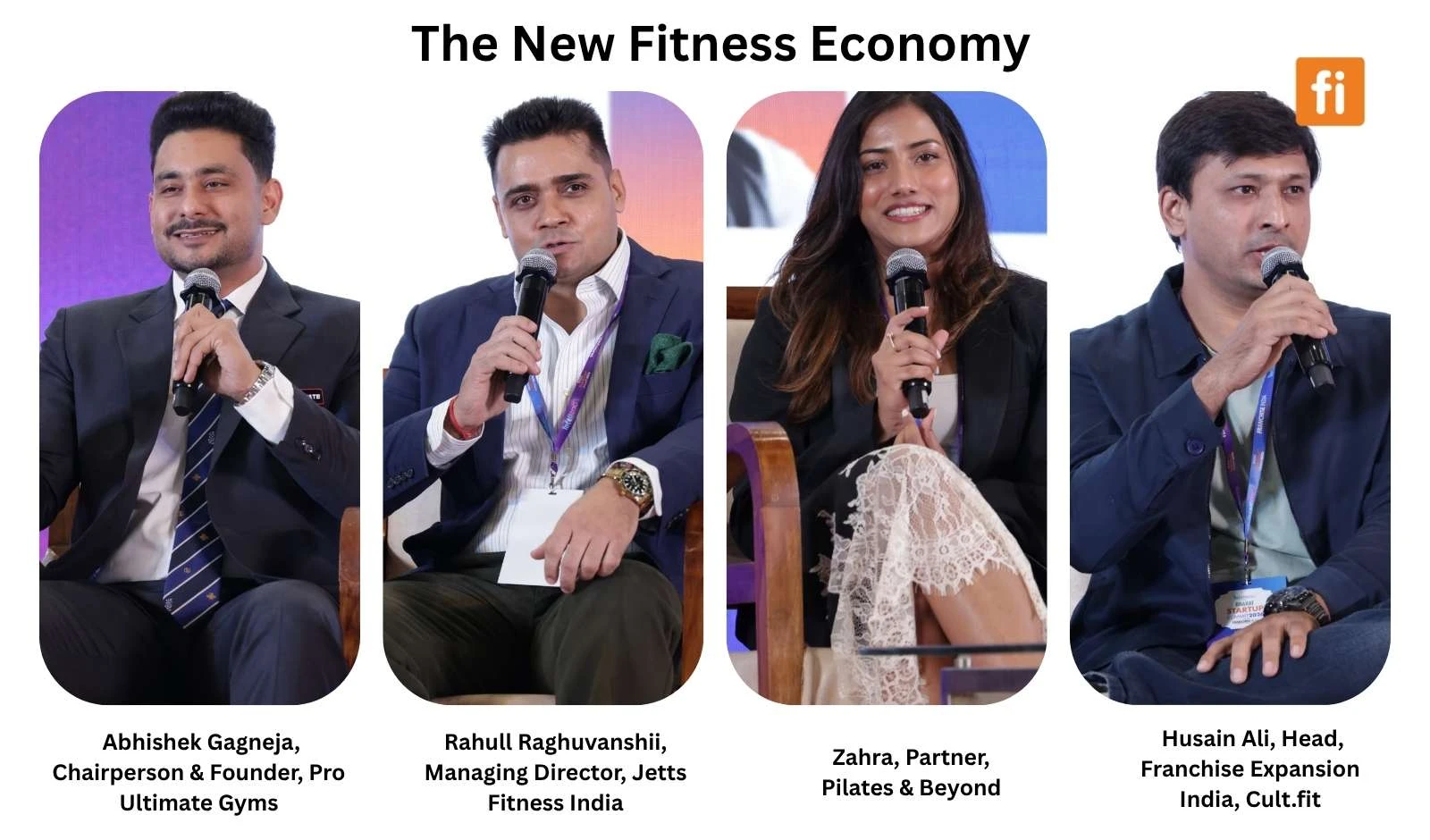
The Indian fitness industry has quietly stopped selling memberships. It is now selling identity, longevity and belonging—and that shift is transforming gyms into one of the most exciting franchise and investment stories in India's consumer economy.
What was once a transactional business centred on weight loss and short-term goals has evolved into a preventive healthcare ecosystem powered by technology, community engagement and personalized wellness. Boutique studios, functional training centres, AI-driven fitness platforms, women-focused strength programmes and integrated wellness clubs are all competing for the same consumer, each offering a distinct value proposition.
Industry leaders believe this transformation is only beginning.
From Event Fitness to Identity Fitness
For years, fitness in India was largely seasonal. Consumers joined gyms before weddings, vacations or reunions, only to abandon their routines once the occasion passed. Today, that mindset is rapidly changing.
"People used to do fitness for a certain event—to lose a couple of kilograms or look good before a certain timeline. Now we're seeing people make fitness part of their routine. It's a habit-forming activity rather than a punishment. It's more community-focused and more health-driven," says Zahra — Partner, Pilates & Beyond.
According to Zahra, the growing fascination with longevity and healthier ageing reflects a broader consumer shift toward making fitness an integral part of daily life rather than a temporary solution.
This behavioural change is fundamentally reshaping the industry's economics. When fitness becomes part of a person's identity, customer retention depends less on promotions and more on delivering meaningful experiences that encourage long-term engagement.
Preventive Healthcare Is Replacing the Weight-Loss Narrative
Perhaps the biggest cultural shift is that consumers are no longer training simply to look better. They are training to live longer and healthier lives.
"Gyms earlier were for two large categories—weight loss or muscle. People now understand that fitness is also about longevity of life. People aspire to live a longer life—but a longer, healthy life," says Husain Ali — Head – Franchise Expansion- India, Cult.fit.
As a result, recovery programmes, mobility training, functional strength, nutrition guidance and wellness tracking are becoming core offerings rather than optional add-ons. Preventive healthcare has emerged as the industry's primary value proposition, with fitness brands positioning themselves as long-term wellness partners instead of traditional gyms.
Women's Strength Training Is Redefining the Market
One of the strongest growth stories in the sector is women's strength training. What was once considered a niche category is rapidly becoming mainstream.
"We're witnessing more than 157 percent growth globally in women taking up strength training," says Rahull Raghuvanshii — Managing Director, Jetts Fitness India.
He believes today's women are far better informed about fitness and understand that strength training improves not only physical appearance but also everyday functionality and long-term health.
Rahull also points to changing demographics, noting that women over the age of 55 and even expectant mothers are increasingly incorporating strength training into their routines. The trend reflects growing awareness that fitness is no longer confined to cardio but is about building resilience and improving quality of life.
For franchise operators, women-centric strength programmes represent one of the industry's most promising opportunities, combining strong customer loyalty with significant growth potential.
Community Is Becoming the Biggest Competitive Advantage
If equipment once defined a fitness brand, community is increasingly becoming its biggest differentiator.
"People are travelling for fitness. Hyrox is taking over globally. Resorts are integrating fitness facilities and even real estate developers are investing heavily in wellness infrastructure," says Rahull Raghuvanshii
"A few years ago, the idea of flying to another city and paying just to participate in a fitness event would have sounded unrealistic. Today, it's becoming a mainstream trend because people have realised fitness can take many different forms," he adds.
Fitness is increasingly being consumed like travel or entertainment—with races, challenges, competitions and community experiences creating emotional connections that traditional memberships cannot replicate.
Fitness Is Becoming a Family Decision
Another emerging trend is the rise of family participation in fitness.
Drawing on customer data tracked across nearly one million monthly users, Husain says gym-going is no longer an individual activity. Parents, children, siblings and spouses are increasingly working out together, leading to significantly higher household participation.
This shift is opening up new opportunities for family memberships, multi-generational wellness programmes and integrated lifestyle offerings that cater to every age group.
Data Is Becoming the New Competitive Edge
Technology is quietly transforming the business behind the gym floor.
“With millions of customer interactions being tracked every month, operators are using data to personalise workouts, identify behavioural patterns, improve retention and predict customer engagement long before members stop visiting,” adds Husain
Industry leaders believe that over the next decade, competitive advantage will depend less on who owns the most equipment and more on who understands their customers the best.
One Membership, Multiple Experiences
Modern fitness centres are rapidly expanding beyond traditional gym formats into integrated wellness destinations.
Abhishek Gagneja — Chairperson & Founder, Pro Ultimate Gyms points to facilities that combine children's fitness programmes, gymnastics, martial arts, swimming, cafés, pickleball and outdoor sports within a single campus. Such integrated ecosystems encourage higher engagement by serving every member of the family under one membership.
“As consumer expectations evolve, category convergence is increasing the barrier to entry while creating stronger long-term customer relationships.” He adds
Convenience Is Driving the Next Phase of Expansion
Abhishek cites the success of Pro Ultimate's one lakh square feet gym in Mohali, Club 72 Gym, which attracted more than 300 enrolments in its very first month, demonstrating that convenience is becoming just as important as infrastructure.
“Micro & Macro format gyms, neighbourhood studios and mobile fitness concepts are making wellness more accessible while opening entirely new expansion opportunities for franchise brands,” He added
Fad to Fit
Every major trend points toward the same conclusion: India's fitness industry has shifted from selling equipment and memberships to building healthier lifestyles, stronger communities and long-term wellness habits.
Preventive healthcare has replaced weight loss as the industry's primary narrative. Women's strength training is emerging as one of its fastest-growing segments. Community-led experiences are becoming the strongest competitive moat, while technology and data are enabling unprecedented levels of personalization. At the same time, integrated wellness ecosystems and hyperlocal formats are expanding the industry's reach beyond conventional gyms.
For entrepreneurs, franchise operators and investors, India's fitness industry is not a mature market being disrupted—it is a young market that is still defining itself. The brands that will lead the next decade will not necessarily be those with the largest facilities or the most equipment, but those that successfully combine technology, preventive healthcare, community and convenience to make fitness an indispensable part of everyday life.