43
/ 4
Min Read



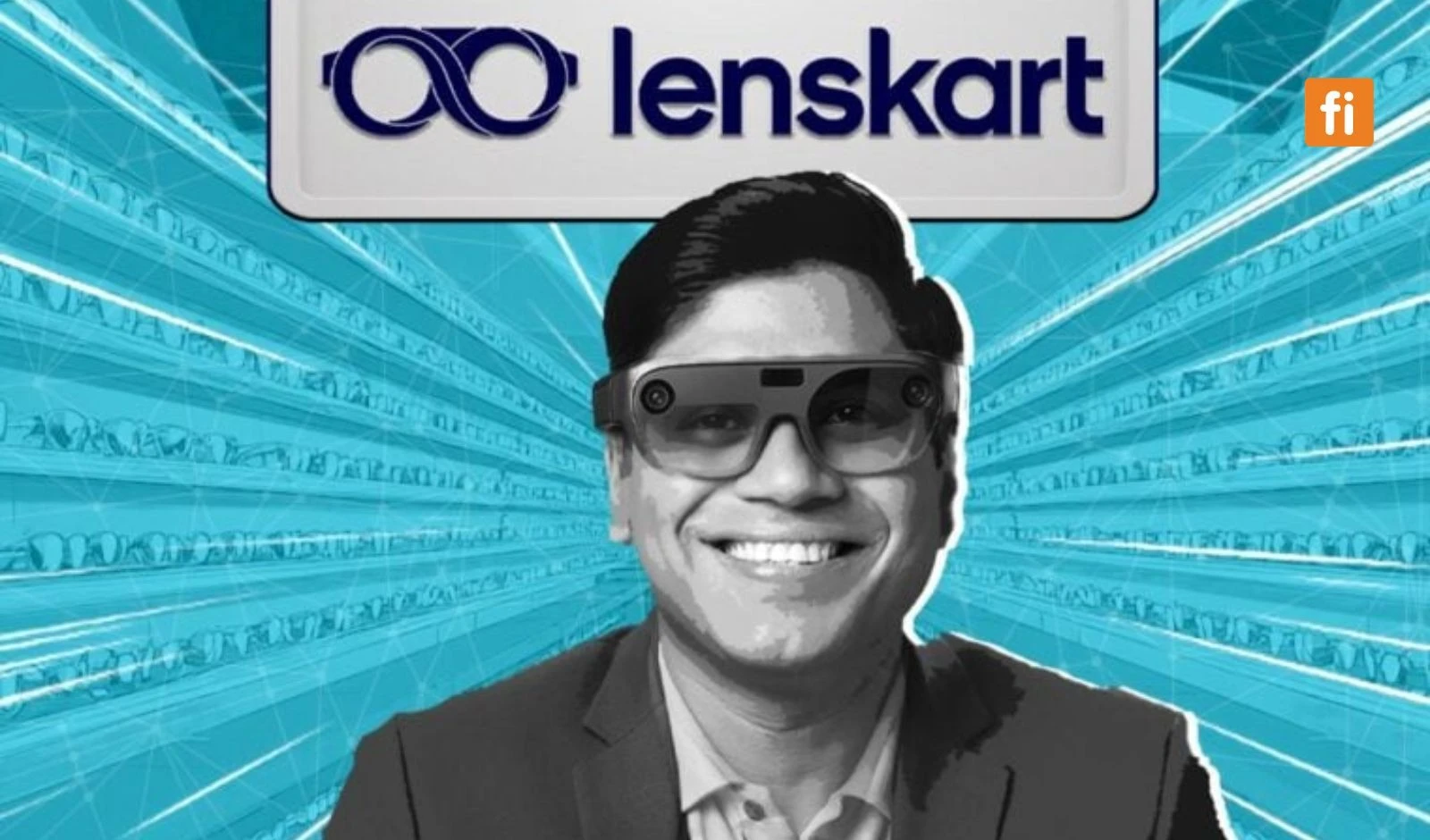
Lenskart plans to increase its annual eyewear volumes in India from the current 3.2 crore units to 10 crore units, focusing on affordability and wider access to vision care. As the company marks one year since its stock market listing, it has announced two initiatives: making blue-light filtering lenses standard on all its glasses in India and providing free prescription eyewear to 1 lakh children on Children's Day.
As shared in media reports, Peyush Bansal, Co-founder and CEO of Lenskart, said the company had built a ₹10,000-crore business, but its larger goal of making quality vision care accessible to more Indians remained unfinished.
Lenskart currently serves around 3.2 crore eyewear units annually in India and aims to scale this to 10 crore units. The company's broader ambition is to help 1 billion people see clearly.
From November 12, Lenskart has made blue-light filtering lenses standard across its glasses in India, removing the additional charge previously levied for the feature.
Bansal said the move was driven by customer feedback, particularly from parents who often chose regular lenses over blue-light filtering options for their children's first pair of glasses because of the additional cost.
"From today, blue-light filtering lenses come as standard on our glasses in India. No extra line on the bill. The upsell is over," he said.
The company said close to a billion Indians now spend a significant part of their day looking at screens, with children using phones for homework and entertainment and adults relying on digital devices for work. Lenskart believes screen-ready eyewear should not be positioned as a premium upgrade.
As part of its Children's Day initiative on November 14, Lenskart will provide free prescription glasses, including blue-light filtering lenses, to the first 1 lakh eligible orders placed at its stores across India. The programme is open to children aged 5–12 years and covers selected frames.
Families will have to pay only ₹199 towards fitting charges, while the frames and prescription lenses will be free. Children aged 8–12 can also avail of a free eye test at Lenskart stores, while children below eight will need a prescription from an eye doctor.
Explaining the rationale behind the initiative, Bansal cited the case of an 11-year-old girl who visited one of the company's stores for her first eye test. Her eyesight was found to be minus six, and she had been struggling academically because of an undiagnosed vision problem. Bansal said such instances had reinforced the need to make eye care more accessible, particularly for children whose vision problems often go unnoticed.
Bansal said Lenskart's investments in product innovation and manufacturing were aimed at making eyewear more affordable over the long term. These include developing break-resistant rimless glasses, investing in lens coatings and Japanese resin technology, and building capabilities to manufacture progressive lenses in India.
With nearly a billion Indians spending a significant part of their day in front of screens, Lenskart believes screen-ready eyewear should be accessible to everyone rather than positioned as a premium upgrade. Children increasingly use phones for homework and entertainment, while adults depend on digital devices for work.
To mark Children's Day on November 14, Lenskart will offer free prescription glasses, including blue-light filtering lenses, to the first 1 lakh eligible orders placed at its stores across India. The initiative is open to children aged 5–12 years and covers selected frames.
Families will only need to pay ₹199 towards fitting charges, while the frames and prescription lenses will be provided free of cost. Children aged 8–12 can also avail of a free eye test at Lenskart stores. Those below eight years will require a prescription from an eye doctor.
Highlighting the need for accessible eye care, Bansal shared the experience of an 11-year-old girl who visited one of the company's stores for her first eye test. Her eyesight was found to be minus six, and she had been facing academic difficulties due to an undiagnosed vision problem. According to Bansal, such cases underline how children's vision issues can go unnoticed and affect their learning.
On the product development front, Lenskart is investing in innovation and manufacturing capabilities to bring down eyewear costs over time. Its initiatives include developing break-resistant rimless glasses, investing in lens coatings and Japanese resin technology, and building domestic manufacturing capabilities for progressive lenses.
The company said it had spent years developing the technology to manufacture progressive lenses in India, with the aim of making a complete pair of glasses available at ₹500.
Bansal said Lenskart's focus on growth and profitability would continue alongside its broader objective of improving access to vision care.
"Purpose and profit are not a trade-off. In the short term, the right thing for the customer rarely looks like the obvious decision. In the long term, it has worked out every single time," he added.