158
/ 7
Min Read
158
/ 7
Min Read


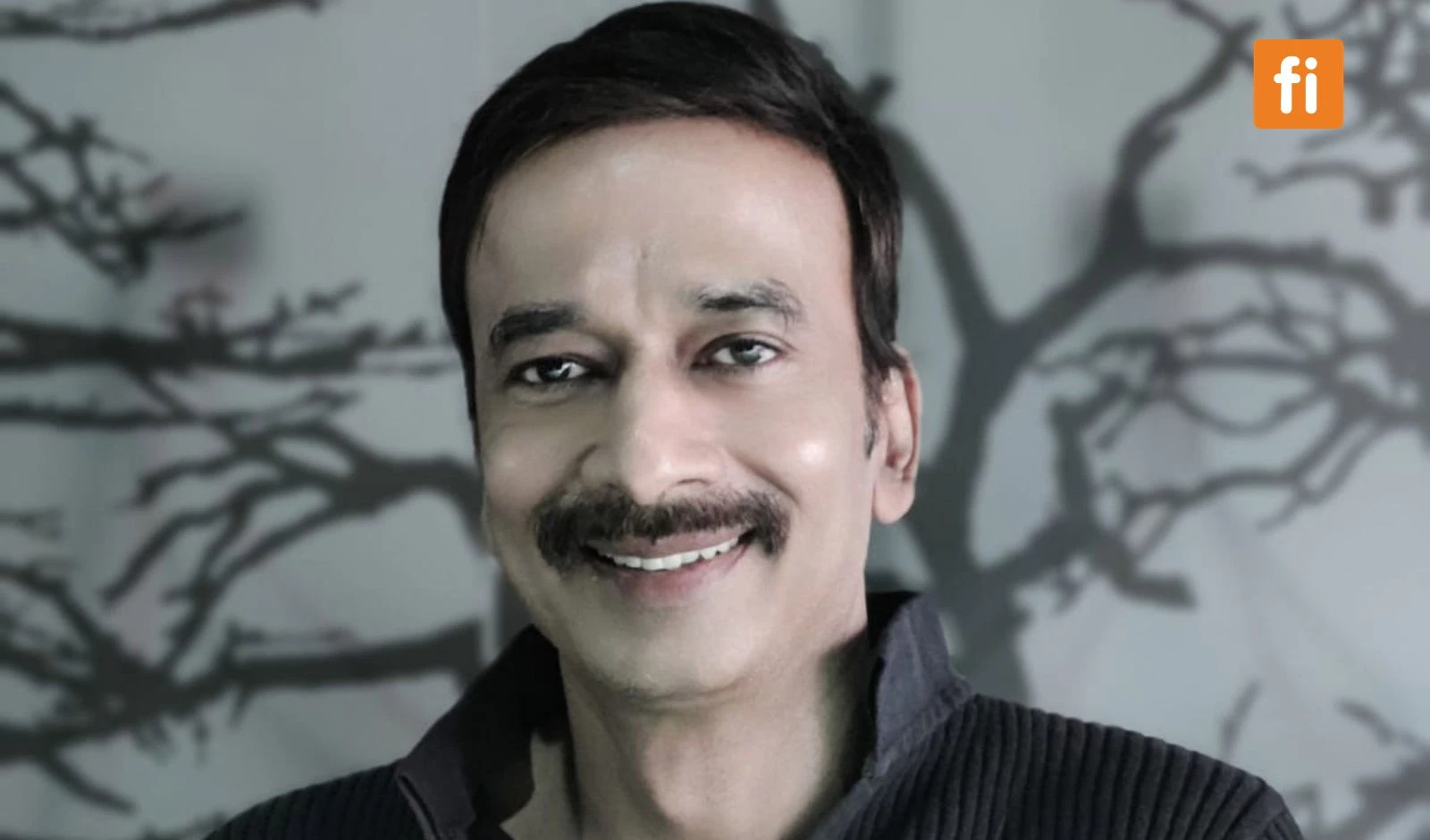
As India’s consumers premiumise their homes, the kitchen is emerging as a key battleground for design-led and technology-enabled brands. Nalin Kumar, CEO, KAFF Appliances outlines how the company is leveraging this shift to take premium kitchen solutions deeper into Tier-II and Tier-III markets, expand its franchise and retail footprint and build KAFF into a larger integrated kitchen-solutions brand.
What’s the vision driving KAFF’s next phase of growth and how has it evolved since the brand started?
KAFF’s vision has evolved from being a premium kitchen-appliance brand to becoming a comprehensive kitchen solutions player with a strong presence across categories, markets and consumer segments. Since its inception, the brand has focused on combining technology, functionality and design, and this continues to remain at the core of our growth strategy.
The next phase is centred around strengthening our presence across India, particularly in emerging markets, expanding our retail and franchise footprint, and making premium kitchen appliances more accessible to consumers beyond the metros. At the same time, we are continuing to invest in product innovation, design and technologies that respond to changing lifestyles and kitchen requirements.
You’re pushing beyond metro cities into Tier-II and Tier-III towns. What’s behind that shift and what does it take to win there?
The premiumisation of the Indian consumer is no longer limited to the metros. Consumers in Tier-II and Tier-III markets are increasingly looking for better-designed, technologically advanced and durable products for their homes. The growth of organised retail, improving purchasing power and greater digital exposure are also accelerating this shift.
For KAFF, entering these markets is not simply about increasing our geographical footprint. It is about building accessibility and trust. This requires the right retail partners, strong after-sales service, product demonstrations and a product mix suited to local consumer requirements. Our franchise-led expansion can play an important role in creating this accessibility while maintaining the brand experience.
What does the franchise showroom model look like today, investment required, support provided, and what you look for in a partner?
Our franchise model is designed to provide partners with an opportunity to participate in the growing premium kitchen-appliance market while benefiting from KAFF’s established product portfolio and brand ecosystem.The investment and space requirements can vary depending on the market, showroom format and location. As per the franchise information currently available, the indicative area requirement is around 350–500 sq. ft., with investment requirements depending on the specific format and showroom setup.
Beyond the physical showroom, we look for partners who understand the local market, have strong customer relationships and are aligned with KAFF’s premium positioning. We support our partners through product knowledge, showroom planning, merchandising and business support, with the objective of creating a consistent consumer experience.
How do you balance exclusive brand stores, franchise showrooms and dealer networks without them cannibalizing each other?
We look at these channels as complementary rather than competing formats. Each serves a different role in the consumer journey and gives us access to different market segments and geographies. Exclusive and franchise showrooms allow us to create a more immersive KAFF experience, where consumers can explore a wider product portfolio and understand how different appliances work together as a kitchen solution. Dealer networks, meanwhile, provide deeper market penetration and accessibility.
Our approach is therefore based on market mapping, territory planning, product segmentation and channel alignment. The objective is to ensure that every channel expands the overall market opportunity for the brand rather than simply shifting business from one format to another.
What’s the pace of franchise rollout you’re targeting over the next couple of years and which regions are top priority?
Our focus is on sustainable expansion rather than pursuing outlet numbers at the expense of quality. We want to build a network of partners who can represent the brand effectively and provide the right consumer experience.The immediate priority is to deepen our presence across Tier-II and Tier-III markets while strengthening our footprint across North, West, South, East and Central India. We see significant potential in markets where premium housing, modular kitchens and organised retail are developing rapidly.
The rollout will therefore be driven by market potential, consumer demand and the availability of suitable partners rather than a purely numerical target.
KAFF has flagged Gulf and Southeast Asian markets for international expansion, why these regions first and how will the model adapt?
The Gulf and Southeast Asian markets present attractive opportunities because of their growing premium housing, hospitality, real-estate and interior-design ecosystems, as well as consumers’ familiarity with premium kitchen solutions.Our international strategy will be market-specific. While the core proposition of design, technology, functionality and reliability will remain consistent, the product mix, channel strategy and partnerships will be adapted to local consumer preferences, kitchen formats, regulatory requirements and market dynamics.
The objective is to build KAFF as an Indian-origin premium kitchen-appliance brand with relevance beyond India, rather than simply replicating the domestic model in international markets.
Kitchen appliances are a “considered purchase”, how does that shape your in-store retail experience compared to typical retail formats?
Kitchen appliances are closely linked to the design and functionality of a consumer’s home, so the purchase often involves considerable evaluation. Consumers want to understand dimensions, installation, performance, features, aesthetics and how different appliances will work together.
This makes the showroom experience particularly important. Our retail formats are designed to allow consumers to see products in a more realistic kitchen environment, compare features and understand the complete solution rather than simply viewing individual SKUs. The role of the salesperson is also evolving from being transactional to consultative. Consumers increasingly expect guidance on selecting the right combination of appliances for their kitchen, and this is an important part of the KAFF retail experience.
Your recent matt-finish hobtop launch leans into premium design. What consumer trends are driving this shift toward design-led kitchen appliances?
The kitchen is increasingly becoming an extension of the overall home aesthetic. Consumers today are paying greater attention not just to appliance performance but also to how appliances look and integrate with the design of their kitchen.
The new KAFF Matt Finish Hobtop reflects this shift, combining a premium matt-black glass finish with black-coated brass burners, heavy-duty pan supports, auto ignition and a removable double drip tray.
This reflects a broader trend towards appliances that combine aesthetics with functionality. Consumers are looking for products that perform efficiently but also contribute to a cohesive, contemporary kitchen environment.
How is KAFF balancing its online and offline channels as e-commerce continues to grow in this category?
We see online and offline as complementary channels. E-commerce has become important for product discovery, comparison and convenience, while physical retail remains critical for considered purchases where consumers want to see, experience and understand the product before making a decision.
Our digital presence helps consumers discover our portfolio and evaluate specifications, while our retail network provides the physical experience, consultation and service that are particularly important for built-in and premium kitchen appliances.
KAFF’s online portfolio currently spans categories including chimneys, built-in hobs, ovens, microwaves, refrigerators, dishwashers, wine coolers and other kitchen solutions, allowing consumers to explore the broader ecosystem digitally as well.
Where do you see KAFF in five years, in terms of footprint, market position and category leadership?
Over the next five years, we see KAFF becoming a significantly larger and more deeply penetrated kitchen-solutions brand, with a stronger presence across both metros and emerging markets.
Our ambition is not only to expand the number of touchpoints but to strengthen our position across the complete kitchen-appliance ecosystem. This means continuing to build our portfolio, expanding our franchise and retail network, investing in product innovation and strengthening our international presence.
Ultimately, we want KAFF to be recognised not simply as an appliance manufacturer, but as a trusted premium kitchen-solutions partner combining design, technology, functionality and service across the entire kitchen experience.