406
/ 4
Min Read
406
/ 4
Min Read


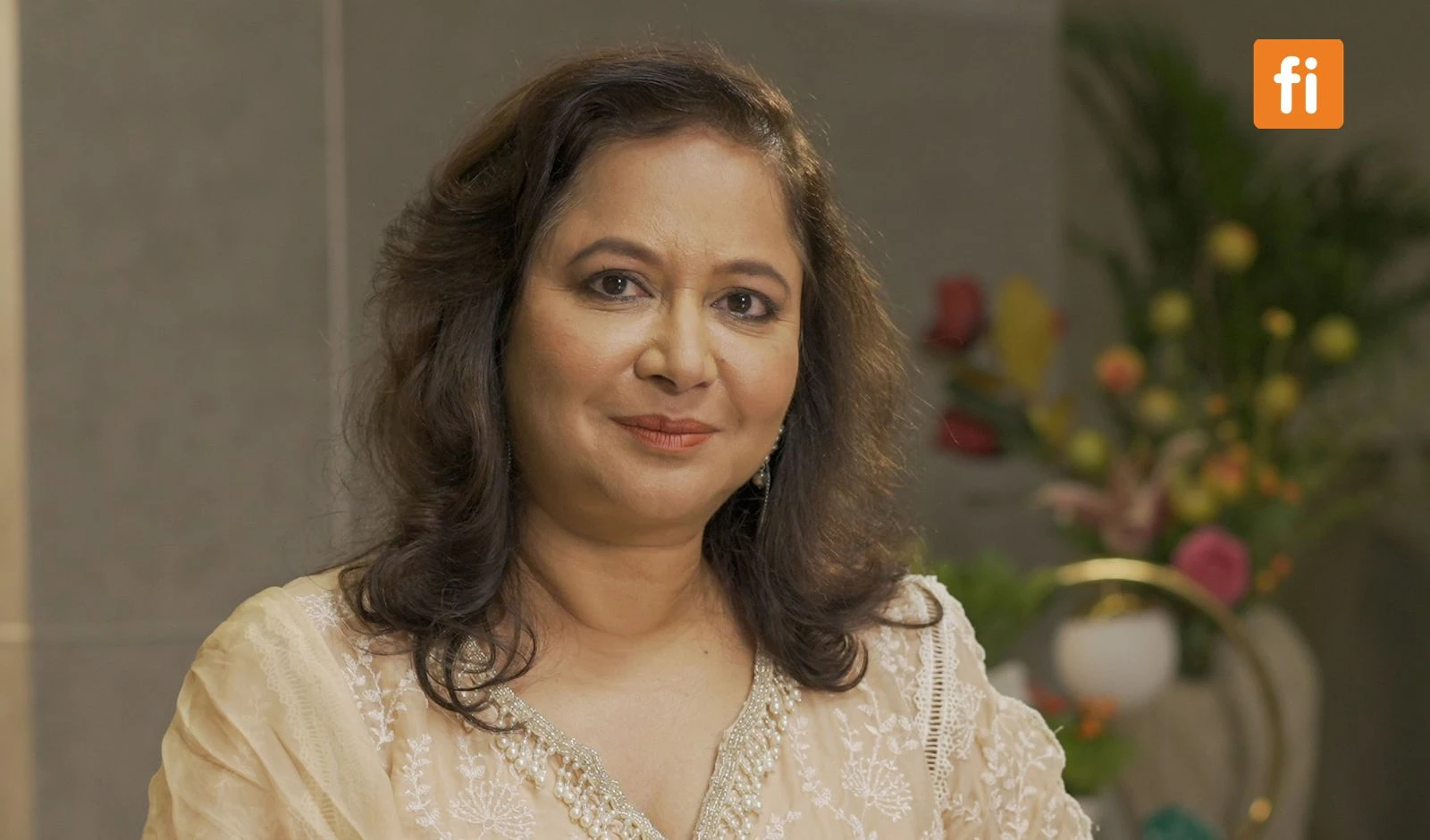
From being centres of commerce to becoming destinations of culture, connection and experience, malls in India are undergoing a profound transformation, and DLF has been at the forefront of this shift. What began as a vision to build world-class shopping spaces has evolved into a far more nuanced ambition: creating immersive lifestyle ecosystems that mirror changing consumer aspirations. In this candid conversation, Pushpa Bector, Senior Executive Director and Business Head at DLF Retail shares how deep consumer insight, purposeful curation, data-driven planning and experiential design are shaping malls that go beyond transactions.
- How has DLF’s vision evolved from building shopping centres to creating full lifestyle destinations?
At DLF, our journey has always been guided by a deep understanding of how consumer aspirations are evolving. While we began with a focus on building world-class shopping spaces, our vision today extends far beyond retail. We are curating holistic lifestyle destinations; spaces where shopping, dining, entertainment and community engagement come together. It is no longer just about transactions, it is about experiences. Our malls are designed to be vibrant social hubs that reflect global standards while remaining rooted in local sensibilities, ensuring that every visit feels elevated, immersive and memorable.
- What is your philosophy behind tenant mix across luxury, premium, high-street, F&B and entertainment?
Our approach is rooted in purposeful curation and a clear point of view. Every category, whether luxury, premium, high street, food and beverage, or entertainment, must contribute to a cohesive narrative rather than exist in isolation. Luxury and premium brands help define aspiration and positioning, while high street ensures accessibility and vibrancy. F&B and entertainment bring depth, energy, and repeat engagement.
- What key shifts have you observed in consumer behaviour in malls over the last five years?
The most significant shift has been from transactional visits to intentional outings. Consumers no longer come to malls simply to shop; they come to spend time, seek experiences and engage socially.
There is a clear preference for discovery driven retail, immersive brand interactions and curated food and beverage experiences. Convenience remains important, but emotional connection now plays an equally powerful role in decision making.
We are also seeing greater discernment. Consumers are more informed, value conscious and experience oriented, which has encouraged us to continuously evolve our spaces to be more engaging, relevant and future ready.
- Which performance metrics matter most today beyond footfall and rentals?
While footfall and rentals remain foundational indicators of performance, we look beyond volume to understand the depth and quality of engagement. Dwell time, repeat visits and category level performance provide a more nuanced view of how consumers interact with the destination. We also closely observe tenant productivity and the effectiveness of experiential initiatives, as these reflect the health of the overall ecosystem.
Ultimately, sustainable performance is defined by relevance, consistency and the ability to create enduring value for both consumers and brand partners.
- How do you see the role of malls evolving alongside omnichannel and e-commerce growth?
The growth of omnichannel and e commerce has not diminished the role of malls; it has refined it. Physical retail today must offer what digital cannot, which is tactile discovery, human interaction and immersive brand storytelling.
Malls are evolving into experiential platforms where consumers can engage with brands across multiple touchpoints. Increasingly, we see retailers using stores as spaces for launches, community building and seamless integration with their digital ecosystems.
In this environment, the mall becomes a catalyst. It enables brands to translate online equity into real world engagement, while offering consumers the convenience of connecting shopping with physical experience. The future is not physical versus digital, but a thoughtfully integrated coexistence.
- Looking back at your journey, what leadership lessons have shaped your approach to retail real estate, and what advice would you give to young professionals entering this space
Retail real estate is about people as much as it is about spaces. The most valuable lesson has been to stay consumer centric, build enduring partnerships and lead with both agility and conviction.
To young professionals, I would say remain curious, be resilient and think long term. When you combine integrity with foresight, success becomes sustainable!