


 1013
/ 3
Min Read
1013
/ 3
Min Read


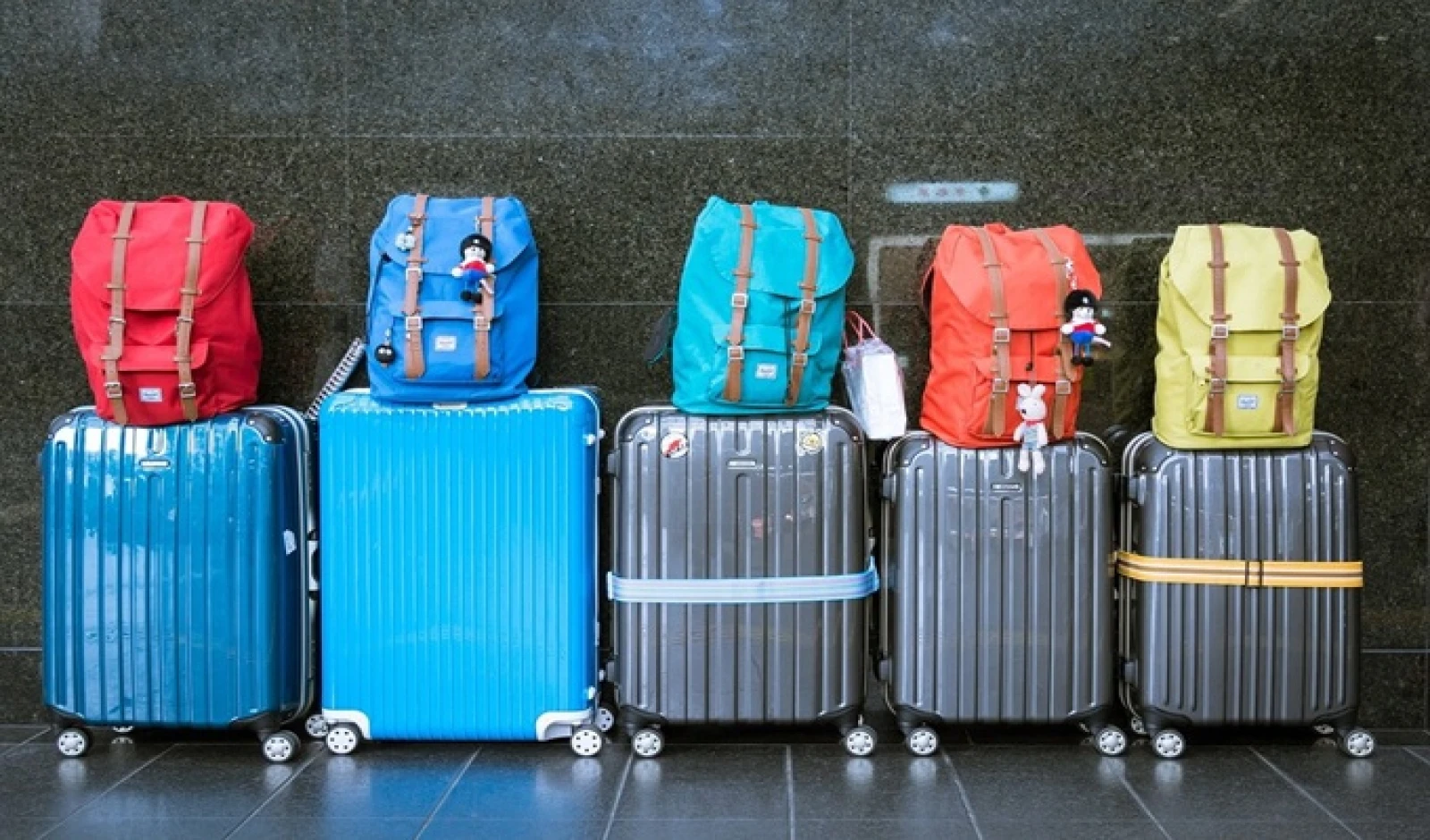
India’s luggage market is on a strong growth trajectory, projected to reach ₹267 billion by calendar year (CY) 2028, growing at a compound annual growth rate (CAGR) of 12%, according to a recent report by Motilal Oswal Financial Services.
The industry, which was severely impacted during the pandemic — contracting to ₹60 billion in CY2020 — has demonstrated a sharp recovery, posting a robust 37% CAGR between CY2020 and CY2023. The rebound is attributed to the resurgence in travel, growth in wedding-related demand, and an increasing consumer shift toward branded products.
“India’s travel landscape has transformed dramatically post-pandemic,” the report noted. “Rising air and rail passenger traffic is strongly correlated with increased luggage sales.”
Shift Towards Branded, Premium Products
The report highlights a structural shift in consumer preference from unbranded, utilitarian products to branded, durable, and aesthetically designed luggage. Currently, branded players account for 52% of the market and are expected to outperform the overall sector growth, driven by higher disposable incomes, urbanisation, and a significant rise in both domestic and international travel.
Brands such as VIP, Samsonite, and Safari collectively command approximately 33% of the market. These players continue to benefit from strong brand equity, differentiated product offerings, and omnichannel retail strategies.
Segment-Wise Market Breakdown
- Mass Market (below ₹4,000): This segment comprises about 60% of the overall market (₹102 billion), led by Safari (16% share), Aristocrat, and Kamiliant. These brands target affordability and cater to first-time buyers through wide distribution networks.
- Mid-Priced Segment: Representing around 30% of the market, this tier includes VIP (21% via VIP and Skybags) and American Tourister (17%). These brands appeal to value-conscious consumers in urban centres, backed by strong brand recall and curated product lines.
- Premium Segment: Making up 10% of the market, premium brands such as Samsonite (20%) and Carlton (8%) continue to lead in the business and international travel categories.
Weddings and E-Commerce Fuel Demand
Weddings have emerged as a significant driver of luggage purchases in India, propelled by cultural gifting traditions, trousseau preparation, and the growing trend of destination weddings. During November–December 2024 alone, more than 4.8 million weddings were recorded, marking a seasonal peak in demand.
Additionally, the rise of e-commerce has played a key role in boosting branded luggage sales. The report notes that digital-first, direct-to-consumer (D2C) brands are reshaping the market with minimalist designs, influencer-led marketing, and strong resonance with millennial and Gen Z shoppers in metropolitan areas.
Outlook
The report concludes that India’s luggage market is undergoing a phase of structural transformation, with branded players well-positioned to capture incremental growth across price segments. The ongoing premiumisation trend, supported by evolving travel patterns and digital adoption, is expected to sustain the industry's growth momentum through 2028.
(Source: ANI)

