


 3504
/ 5
Min Read
3504
/ 5
Min Read


Asian cuisine is gaining huge popularity in India, particularly Japanese, Korean, and Pan-Asian cuisine. People are enjoying experimenting with new foods, from sushi and ramen to Korean BBQ and bubble tea, in cities. The trend is picking up momentum due to social media, K-pop, anime, and travel. Global cultures fascinate young Indians, and food is a central aspect of this.
Many Asian brands are opening restaurants and franchises in India, offering tasty meals that are also healthy and fun to eat. Even smaller cities are seeing this change. With more people wanting quick, stylish, and different food options, Japanese and Korean brands are booming.
In this blog, we’ll find out why these franchises are growing and what makes them so successful in India.
The Rise of Asian Cuisine in India
Indian consumers have grown increasingly experimental about their foods in the last decade. Sushi, ramen, bibimbap, kimchi, and teriyaki bowls, which were once niche, have become part of regular dining for Indians specially in metro cities. This is due to a number of factors:
1. Global Exposure
Greater international travel, social media campaign, and online streaming have exposed Indian audiences to East Asian culture. K-dramas and anime have contributed to the unexpected stimulation of interest in Korean and Japanese cuisine.
2. Health Consciousness
Japanese and Korean food is generally regarded as the healthier choice over classic fast food. With lesser cooking fat, fermented food items, and nutritious meals, they find appeal with India's increasing health-aware populace.
3. Urban Lifestyle
Busy working professionals in urban areas crave quick, healthy meals. Bento boxes, sushi rolls, and rice bowls prove to be convenient without trading taste or nutrition.
4. Youth Culture
Gen Z and millennials are leading the demand for popular, Instagrammable food experiences. Korean fried chicken, bubble tea, and Japanese matcha desserts are now mainstays in youth-oriented cafes and food courts.
Successful Japanese, Korean & Pan-Asian Franchise Brands in India
Following are some of the leading players that are causing the waves:
1. Sushi Junction
Origin: India
Cuisine: Japanese sushi and rice bowls
Format: QSR and cloud kitchen
Expansion: Delhi NCR, Bangalore, Mumbai
USP: Economical sushi with Indianized flavors
2. Gung The Palace
Origin: Korea
Cuisine: Korean BBQ and traditional fare
Format: Premium dine-in
Locations: Delhi, Gurgaon
USP: Traditional Korean cuisine with imported ingredients
3. Pa Pa Ya
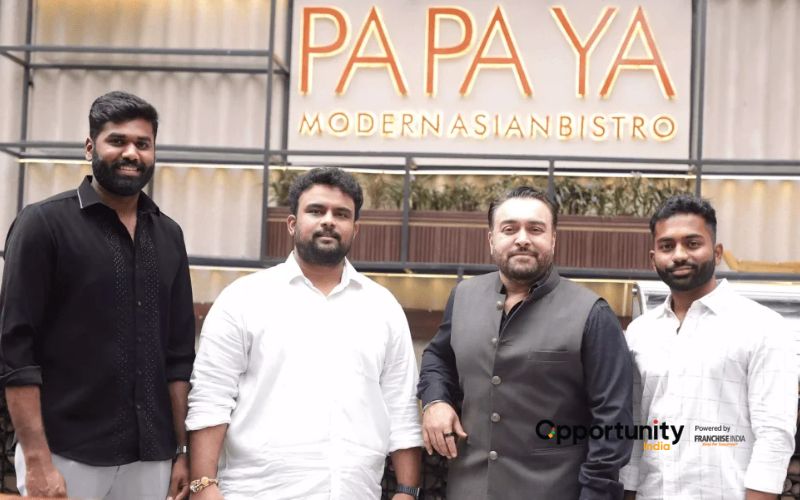
Origin: India (by deGustibus Hospitality)
Cuisine: Modern Pan-Asian fusion
Format: Fine dining
Locations: Mumbai, Delhi, Bangalore
USP: Glamorous presentation and international flavors
4. Kofuku
Origin: India
Cuisine: Japanese comfort food
Format: Casual dining
Locations: Mumbai, Delhi
USP: Sushi, ramen, and donburi in a warm atmosphere
5. Seoul Stores
Origin: India (operating among Korean expat communities)
Format: Food service and retail
Locations: Chennai, Pune, Gurgaon
USP: Ramen kitchens, kimchi stations, and Korean packaged food
Franchise Models That Work
Asian food brands are entering India with well-formulated franchise models. They are:
1. Quick-Service Restaurants (QSRs)
Best suited for malls, airports, and food courts. Chains such as Sushi Junction and Wow! Momo (with Pan-Asian extensions) are doing well in this model.
2. Casual Dining
Best suited for high-street areas and city neighborhoods. Korean BBQ chains and ramen bars provide dine-in options at moderate price points.
3. Premium Dining
Megu, Wasabi by Morimoto, and Pa Pa Ya brands serve high-end eaters in luxury hotels and high-end dining areas.
4. Cloud Kitchens
As delivery demand increases, most Asian brands are opening cloud kitchens to supply metro markets without having to invest in dine-in venues.
Challenges and How Brands Are Overcoming Them
Although the opportunity is enormous, Asian food franchises encounter some challenges:
1. Ingredient Sourcing
Actual Japanese and Korean ingredients are not necessarily readily available everywhere. Brands import major items such as miso, sushi rice, and gochujang in order to ensure quality.
2. Employee Training
Making sushi or Korean BBQ takes expertise. Franchises put money into training and on occasion employ chefs who come from overseas so that standards can be kept high.
3. Local Adjustment
In order to appeal to Indian palates, brands create fusion
menus—paneer sushi rolls or spicy ramen bowls, for instance. This attracts a broader consumer base without sacrificing authenticity.
4. Pricing Strategy
Asian cuisine is perceived as premium. Brands are innovating with smaller portions, combo meals, and loyalty programs to make it more affordable.
The Role of Social Media and Pop Culture
K-pop, anime, and East Asian dramas have surprisingly been the drivers of food trends. Fans of Naruto or BTS are usually keen to taste the food that they witness on television. Korean street food or Japanese desserts presented in Instagram reels have normalized these foods among young people.
Influencers and bloggers in the food industry are also playing their part by visiting and criticizing Asian restaurants, posting recipes, and advertising new franchise openings.
Future Outlook: What's Next?
Asian food franchise boom is not yet over. This is what awaits in the next few years:
1.Expansion into Small Cities
Brands will start expanding beyond big cities and move into places like Indore, Kochi, Jaipur, and Surat, where more people are now interested in their products.
2. Increased Fusion Concepts
Look out for innovative fusions such as sushi burritos, Korean tacos, and Japanese biryani.
3. Tech-Driven Dining
Digital menus, app-based orders, and AI-driven kitchens will reduce operational hassles and improve customer experience.
4. Asian Dessert Chain Expansion
Matcha cafes, mochi ice cream shops, and boba tea shops will become more prevalent.
5. Cross-Cultural Partnerships
Indian chefs can collaborate with Japanese or Korean brands to design hybrid menus appealing to both cultures.
Conclusion
Japanese, Korean, and Pan-Asian franchise brands are booming in India because they offer something fresh, flavorful, and culturally rich. From industrial hubs to high-end malls, these cuisines are finding fans across age groups and income levels.
For investors, the timing couldn’t be better. With rising demand, low competition, and strong brand support, Asian food franchises offer a unique blend of profitability and purpose. Whether you’re passionate about sushi or curious about kimchi, this is your moment to be part of India’s next big food revolution.

