 7
/ 12
Min Read



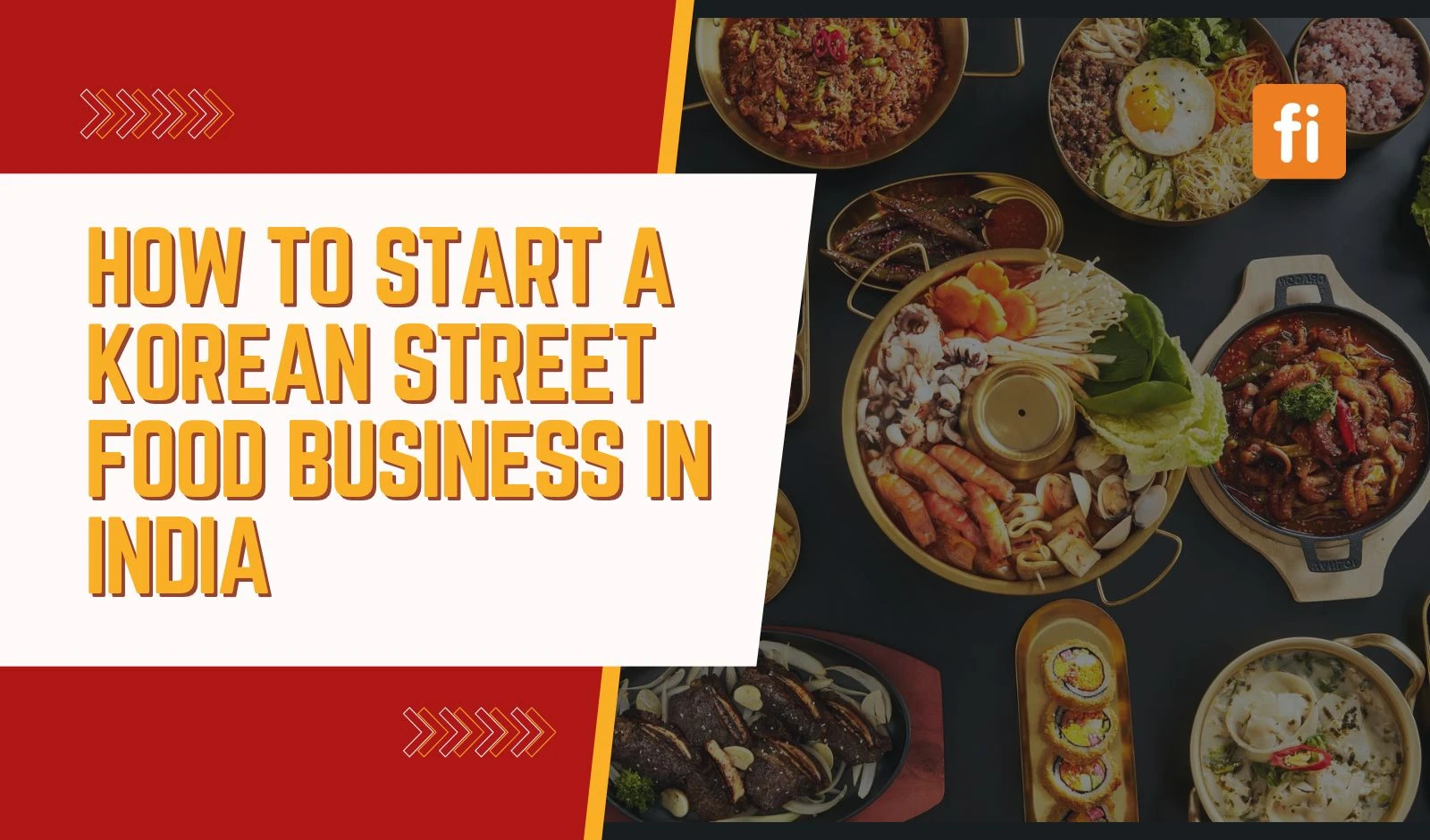
A bowl of spicy tteokbokki, a Korean corn dog stuffed with cheese or a portion of crunchy Korean fried chicken could be enough to give any routine food adventure a completely new culinary experience. With the popularity of Korean pop culture in India influencing food choices and interests, the appeal of such street foods is being embraced by the young generation of food lovers in India. The rise in interest in these foods provides a great chance for aspiring entrepreneurs to set up their own food business.
There are several other aspects that one needs to take into consideration when starting a Korean street food business in India. These range from selecting the correct food items to setting up cost estimates.
Key Takeaways
- Growing demand: Korean pop culture and changing food preferences are creating interest in Korean street food across India.
- Menu planning: Popular options include tteokbokki, Korean corn dogs, fried chicken and ramen.
- Business formats: Entrepreneurs can choose from food carts, kiosks, food trucks, cafés and QSR outlets.
- Investment and setup: Costs depend on the format, location, kitchen equipment, ingredients and working capital.
- Franchise opportunities: Investors can explore existing Korean food brands or establish an independent street-food concept.
What Makes Korean Street Food Appealing to Indian Consumers?
Korean street food has found an audience in India through a combination of popular culture, distinctive flavours and visually appealing dishes. The growing popularity of K-dramas, K-pop and Korean entertainment has encouraged many consumers to explore the cuisine beyond what they see on screen.
Several factors contribute to its appeal:
- Distinctive flavours: Korean food combines spicy, sweet, savoury and tangy elements.
- Visual presentation: Cheese-filled corn dogs, colourful rice cakes and saucy noodles offer an attractive presentation that works particularly well on social media.
- Quick and convenient meals: Many Korean street-food dishes can be prepared and served quickly, making them suitable for kiosks, food courts and takeaway outlets.
- Customisable options: Spice levels, toppings, sauces and vegetarian alternatives allow businesses to adapt dishes to local preferences.
- Youth-oriented food culture: Students, young professionals and Korean culture enthusiasts represent potential customer groups, particularly in locations with strong café and QSR activity.
For entrepreneurs, the opportunity lies in introducing authentic Korean-inspired flavours while making the menu approachable, affordable and relevant to Indian consumers.
Which Korean Street Food Dishes Should Your Business Sell?
The menu will play a major role in determining the identity of a Korean street food business. Rather than offering too many dishes from the beginning, entrepreneurs can start with a focused selection of popular Korean snacks, quick meals and beverages. The idea is to combine recognisable Korean favourites with options that suit Indian taste preferences.
Some menu categories worth considering include:
| Menu category | Popular dishes |
|---|---|
| Rice-based snacks | Tteokbokki (spicy rice cakes), Kimbap (Korean rice rolls) |
| Fried snacks | Korean corn dogs, Korean fried chicken |
| Noodles | Korean ramen, stir-fried Korean noodles |
| Buns and pancakes | Korean cheese buns, Hotteok (sweet Korean pancakes) |
| Quick meals | Korean rice bowls, Korean-style burgers |
| Beverages | Korean-inspired fruit drinks, iced teas and flavoured beverages |
A few considerations when designing the menu:
- Start with signature products: Korean corn dogs, tteokbokki and ramen can help establish the outlet's identity.
- Include vegetarian choices: Vegetable kimbap, vegetarian ramen and meat-free rice bowls can widen the customer base.
- Offer customisation: Different spice levels, cheese toppings and sauce combinations can make the menu more accessible.
- Introduce meal combinations: Pairing snacks with beverages or noodles can encourage combo purchases and improve average order value.
- Balance authenticity with familiarity: Retaining traditional Korean flavours while adapting spice levels and ingredients to local preferences can help attract repeat customers.
A smaller, well-executed menu is often a more practical starting point, and as customer preferences become clearer, the business can introduce seasonal specials and additional Korean street-food options.
Choosing Your Business Format: Cart, Kiosk, Café or QSR?
A Korean street food business does not necessarily require a large restaurant or an elaborate dining space. Entrepreneurs can enter the segment through several formats, depending on their investment capacity, target customers and preferred operating model.
| Business format | Key features |
|---|---|
| Street food cart | A compact setup offering a limited selection of popular snacks, suitable for busy markets and permitted vending locations. |
| Food kiosk | A small counter-based outlet in malls, food courts and commercial areas, primarily catering to takeaway customers. |
| Food truck | A mobile setup that can serve customers at events, festivals, college gatherings and designated locations. |
| Korean street food café | A dedicated space with seating, a wider menu and a more immersive Korean-inspired dining experience. |
| Compact QSR outlet | A standardised quick-service format offering snacks, noodles, rice bowls and beverages, with potential for multiple outlets. |
Which format should you choose?
A cart or kiosk may suit first-time entrepreneurs who want to test customer response with a relatively focused menu. A food truck offers greater mobility, although vehicle modification, permissions and operating logistics need consideration. Those looking to establish a recognisable brand with a broader menu may prefer a café or compact QSR.
The decision should ultimately be based on location, customer footfall, rental costs, menu requirements and available capital.
Where Should You Open Your First Outlet?
The location of a Korean street food business can influence its visibility, customer footfall and sales potential. Since the concept may appeal particularly to younger consumers and people interested in international cuisines, entrepreneurs should look for areas where customers are already accustomed to exploring new food options.
Some locations worth considering include:
- College and university areas: Students often explore affordable snacks and quick meals, making educational hubs suitable for compact kiosks and takeaway counters.
- Shopping malls and food courts: These locations offer access to shoppers and families looking for convenient dining options. A visually attractive kiosk helps introduce unfamiliar Korean dishes.
- High-street markets: Busy commercial streets with cafés, restaurants and snack outlets can provide opportunities to attract walk-in customers.
- IT parks and business districts: Working professionals may offer demand for quick lunches, evening snacks and delivery orders.
- Entertainment and leisure zones: Areas around cinemas, gaming centres and event venues can be suitable for snack-led concepts and food trucks.
Before finalising a property, entrepreneurs should assess daily footfall, rental expenses, visibility, nearby competition and delivery access. It is also important to check whether the premises have adequate water supply, drainage, electricity, ventilation and space for food preparation.
Building a Korean Street Food Kitchen: Equipment and Ingredients
A Korean street food outlet needs a kitchen that supports quick preparation, consistent taste and efficient service. Equipment requirements will depend on the menu and business format, but entrepreneurs should plan for food preparation, cooking, refrigeration and storage before opening.
Essential kitchen equipment
| Equipment | Purpose |
|---|---|
| Commercial deep fryer | Preparing Korean fried chicken and corn dogs |
| Griddle and cooking range | Cooking pancakes, rice-based dishes and other snacks |
| Noodle boiler | Preparing ramen and noodle dishes |
| Refrigerator and freezer | Storing vegetables, sauces, dairy products and frozen ingredients |
| Food preparation counters | Cutting, mixing and assembling ingredients |
| Exhaust and ventilation system | Managing heat, smoke and cooking fumes |
| Storage containers and shelves | Organising ingredients and maintaining hygiene |
Ingredient sourcing and menu preparation
Some Korean dishes require specialised ingredients such as gochujang (Korean chilli paste), gochugaru (Korean chilli powder), rice cakes, Korean noodles and sesame oil. Entrepreneurs can source these through domestic importers, speciality food distributors and authorised suppliers. Locally available ingredients can also be incorporated where suitable, particularly for vegetables, dairy products and fresh produce.
If imported ingredients are used, businesses should account for availability, pricing, shelf life and applicable food import requirements.
How Much Investment Is Required to Start?
The investment required to establish a Korean street food business in India depends on the outlet format, location, kitchen size and menu. A small takeaway kiosk will have different financial requirements from a fully equipped Korean street-food café or QSR. Entrepreneurs should account for both initial setup expenses and the working capital needed to manage operations during the first few months.
The major investment components include:
| Investment component | Expenses covered |
|---|---|
| Rental deposit | Security deposit and advance rent |
| Interiors and setup | Counter, furniture, signage and electrical work |
| Kitchen equipment | Fryers, griddles, refrigerators and cooking appliances |
| Initial inventory | Korean sauces, rice cakes, noodles, vegetables and packaging |
| Licences and registrations | Applicable business and food safety permissions |
| Staffing | Recruitment, salaries and initial training |
| Marketing | Branding, launch promotions and online visibility |
| Working capital | Rent, utilities, replenishment and other operating expenses |
Indicative investment by business format
| Business format | Approximate investment |
|---|---|
| Street food cart | ₹2–5 lakh |
| Food kiosk | ₹5–10 lakh |
| Food truck | ₹10–20 lakh |
| Korean street food café | ₹15–30 lakh |
| Compact QSR outlet | ₹20–40 lakh |
These figures are preliminary planning estimates, not verified industry benchmarks. Actual costs will vary depending on the city, property, equipment quality, menu size, staffing and working capital requirements. They may also exclude franchise fees, where applicable.
Licences and Food Safety Requirements
Before opening a Korean street food outlet, entrepreneurs must understand the food safety regulations and local permissions applicable to their chosen business format.
Some important requirements include:
- FSSAI Registration or Licence: Food businesses must obtain the applicable registration or licence from the Food Safety and Standards Authority of India (FSSAI). Applications can be made through the FoSCoS portal.
- Municipal Permissions: Depending on the location and format, businesses may need local trade permissions, health-related approvals and other municipal clearances.
- Street Vending Permission: Entrepreneurs operating carts or stalls in public vending areas must comply with applicable requirements under the Street Vendors (Protection of Livelihood and Regulation of Street Vending) Act, 2014.
- GST Registration: Registration requirements depend on applicable GST provisions, turnover and the nature of business operations.
- Fire and Premises Safety: Restaurants and commercial kitchens may require applicable fire safety approvals and other building-related permissions.
Maintaining Food Safety Standards
Korean street food outlets should follow FSSAI's hygiene and sanitation requirements to ensure safe food preparation and handling. Important practices include:
| Area | Food safety practices |
|---|---|
| Ingredient storage | Store meat, dairy, sauces and vegetables at appropriate temperatures. |
| Kitchen hygiene | Clean and sanitise preparation counters, utensils and cooking equipment regularly. |
| Food handling | Prevent cross-contamination between raw and cooked ingredients. |
| Water and sanitation | Use potable water and maintain clean washing and drainage facilities. |
| Staff hygiene | Ensure food handlers follow personal hygiene and handwashing practices. |
| Waste management | Dispose of food waste regularly and keep the preparation area pest-free. |
| Staff training | Provide appropriate food safety training to employees handling food. |
Businesses should also follow applicable FSSAI Schedule 4 hygiene requirements and maintain necessary food safety records.
Korean Street Food Franchise Opportunities in India
Entrepreneurs interested in entering the Korean food market can explore several brands offering franchise opportunities or inviting franchise enquiries. Some options are also listed on the Franchise India platform.
The following brands are worth exploring:
| Brand | Franchise details / investment |
|---|---|
| Yum Yum Korean Bucket | Listed on Franchise India with an indicative investment of ₹20–30 lakh, a ₹3 lakh franchise fee and 5% royalty. |
| Taobao Foods India | Korean-Indian fusion QSR brand. Franchise India lists an investment of ₹10–20 lakh and an area requirement of 100–500 sq. ft. |
| K-Bites | Offers Korean street-food QSR franchises. Its website advertises an investment of approximately ₹25–35 lakh, with a ₹6 lakh franchise fee and 6% royalty. |
| Wang House | Offers franchise enquiries for Korean café, QSR and food-court kiosk formats. Investment and commercial terms are discussed according to the proposed location and format. |
| Korean Kick | Listed on Franchise India under the name Korean Kick, with an indicative investment of ₹5–10 lakh. Brand identity and current franchise terms should be confirmed directly. |
Note: Investment figures and franchise terms are based on available brand websites and Franchise India listings. They are indicative, not independently verified. Investors should confirm current availability, fees, royalty, outlet requirements and agreement conditions directly with the respective brands before proceeding.
What Could Affect the Profitability of This Business?
Running a Korean street food outlet involves managing ingredient costs, pricing and customer preferences. Some important factors that can influence business performance include:
- Ingredient costs: Imported sauces, seasonings and specialised ingredients can increase procurement expenses.
- Menu pricing: Prices should balance ingredient costs, portion sizes and customers' spending capacity.
- Food wastage: Inventory planning and standardised recipes help minimise unnecessary expenses.
- Customer retention: Consistent taste, quick service and attractive meal combinations can encourage repeat visits.
- Competition: Differentiated dishes, affordable combos and quality service can help the outlet stand out.
Entrepreneurs should regularly review operating expenses and sales performance rather than relying solely on initial customer interest. Building a sustainable customer base and maintaining consistent food quality are important for long-term growth.
FAQs
1. How much investment is required to start a Korean street food business in India?
An initial investment of approximately ₹2 lakh to ₹40 lakh may be required, depending on whether the entrepreneur chooses a cart, kiosk, food truck, café or QSR format.
2. Which Korean street food items are popular in India?
Korean corn dogs, tteokbokki, Korean fried chicken, ramen, kimbap and Korean cheese buns are among the dishes businesses can consider.
3. Can I start a Korean food stall with a small investment?
Yes. A compact cart or takeaway counter with a limited menu can be a starting point, subject to applicable vending permissions and food safety requirements.
4. Do I need imported ingredients to prepare Korean street food?
Not necessarily. Some specialised ingredients, such as gochujang and Korean rice cakes, may need to be sourced through importers or speciality distributors, while other ingredients are locally available.
Conclusion
The growing interest in Korean cuisine presents an opportunity for entrepreneurs to explore a differentiated concept within India's food service market. From compact street-food carts and kiosks to dedicated cafés and QSR outlets, the business offers multiple entry formats. However, success will depend on more than the popularity of Korean food. A carefully planned menu, reliable ingredient sourcing, suitable pricing and consistent food quality will be important in building a sustainable venture.
Explore Korean food franchise opportunities on Franchise India and take the first step towards building your own Korean street food business.
Read More: Travel Food Services Q2 Profit Rises 50.5% Despite Lower Traffic