 18
/ 12
Min Read



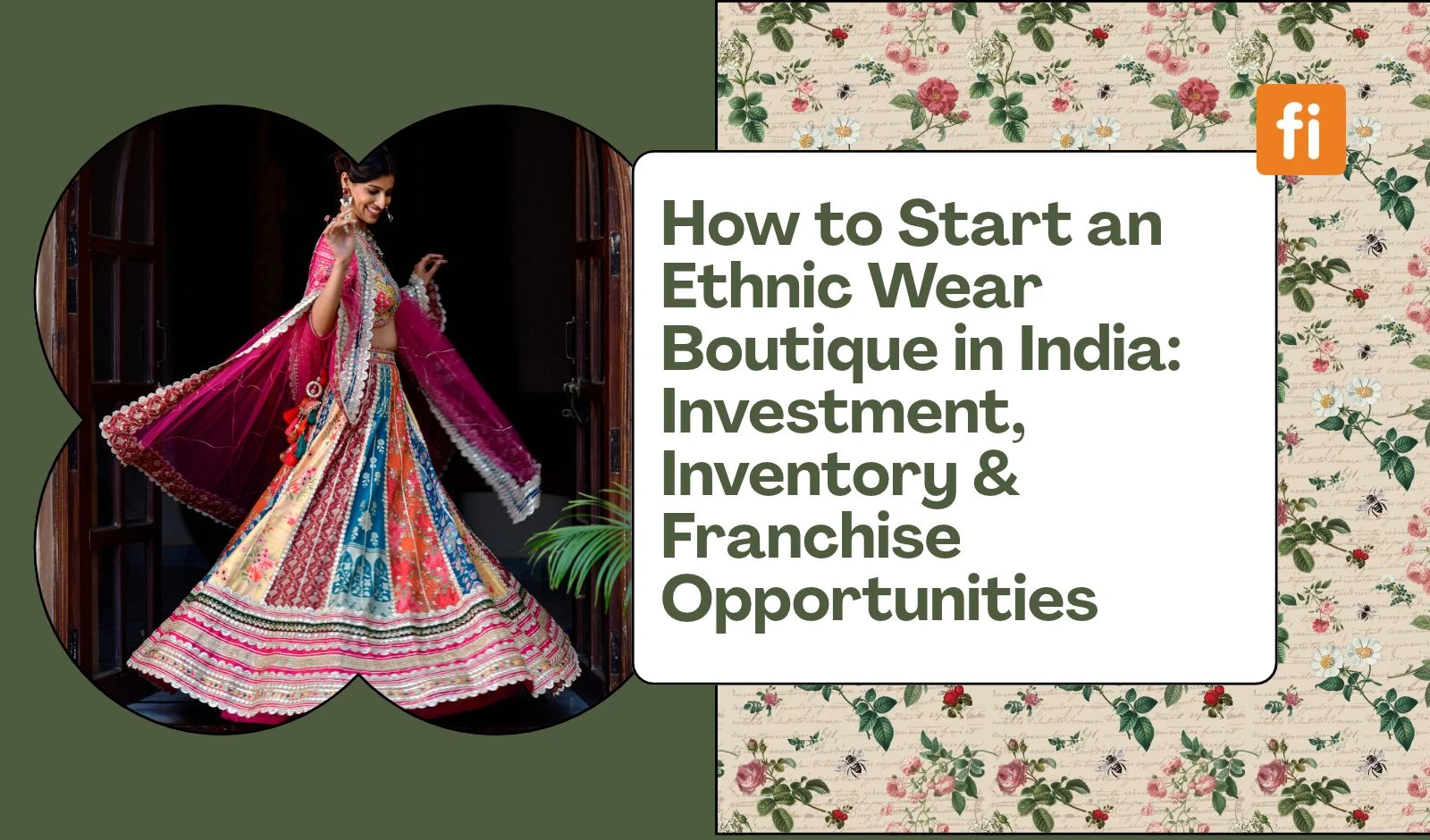
Selection of a saree for a wedding, purchase of a kurta for a party or a comfortable suit for daily wear is indicative of the extent to which ethnic wear has become a part of the Indian fashion industry. The same provides a scope for starting a retail business that would sell ethnic wear but at the same time cater to the evolving tastes of the consumers. There are various ways in which the ethnic wear boutique may be run. It could range from a small shop selling daily use kurtis and sarees to a high-end boutique specializing in designer clothes.
However, to start a successful store, there is a need for entrepreneurs to know their target consumers, find the right location, select good quality garments, estimate the inventory needed and the amount of money that needs to be invested. This article looks at the aspects of how to start an ethnic wear boutique in India.
Key Takeaways
- Choose your niche: Focus on everyday ethnic wear, festive collections, bridal clothing or premium designer fashion.
- Plan inventory and sourcing: Identify popular products and build reliable relationships with wholesalers and manufacturers.
- Estimate setup costs: Account for rent, interiors, initial stock, staffing and working capital.
- Explore business models: Compare independent retail stores with established fashion franchise opportunities.
- Understand compliance: Complete the necessary business registrations, GST and local permissions.
What Will Your Store Be Known For? Finding the Right Retail Niche
Not all clothing stores need to carry everything. There are some that entice customers through low-cost everyday kurtis and there are others that become famous for their bridal wear, designer sarees, or traditional regional clothing. The key is for entrepreneurs to know what will attract customers before buying inventory.
Some ideas for retail stores could be:
- The Everyday Fashion Destination: Cater to regular shoppers with kurtis, cotton suits, dress materials, affordable sarees and comfortable daily-wear collections. A wider price range can help attract repeat customers.
- The Wedding Shopping Specialist: Build a collection around bridal lehengas, heavy sarees, embroidered suits, sherwanis and occasion wear. Wedding-related purchases can bring higher-value orders, although demand may vary by season.
- The Premium Fashion Address: Focus on designer outfits, exclusive collections, customised garments and limited-edition pieces. This concept requires careful attention to design, fabric quality and customer experience.
- The Traditional Craft Store: Showcase regional sarees, handloom fabrics, handcrafted garments and traditional embroidery. Entrepreneurs can work with artisans and specialised suppliers to create a distinctive collection.
- The Contemporary Ethnic Label: Target younger shoppers with Indo-western outfits, fusion dresses, co-ord sets and modern interpretations of traditional clothing.
The decision should come down to three factors: who you want to sell to, what they are willing to spend and what products are missing in the local market. A focused collection is often easier to manage than trying to stock every category from the beginning. Entrepreneurs can gradually introduce new product lines as they understand customer preferences and sales patterns.
Location, Store Size and Layout: Planning Your Retail Space
The positioning of the garment shop can affect its visibility and walk-in sales. A retail shop that sells regular kurtis and suits can be set up in a commercial area, whereas a more luxurious one that specializes in designer sarees and bride-wear can have a location on the main road.
Entrepreneurs can consider the following locations:
- High-Street Markets: Offer visibility and access to regular shoppers, although rentals may be higher.
- Shopping Malls: Provide organised retail spaces, parking and visitor traffic but involve additional rental and maintenance costs.
- Residential Areas: Suitable for everyday ethnic clothing stores that depend on neighbourhood customers and repeat purchases.
- Wedding and Fashion Markets: Can attract customers looking for bridal outfits, designer sarees and occasion wear.
How Much Space Is Required?
A small outlet may need around 200–300 sq. ft., while a mid-sized store may require 500–800 sq. ft. Premium outlets with larger collections and dedicated trial areas may need 1,000 sq. ft. or more. These are indicative estimates and will vary with the store format.
The layout should accommodate garment racks, display shelves, trial rooms, mirrors, a billing counter and storage. Good lighting and organised displays can also make the shopping experience more comfortable.
What to Stock? Building the Right Ethnic Wear Inventory
The products a store carries play a major role in attracting customers and generating repeat sales. Instead of purchasing large quantities of similar garments, entrepreneurs should build a collection that reflects local preferences, spending habits and seasonal demand.
A well-planned inventory can include:
| Product category | Items to consider |
|---|---|
| Everyday Wear | Cotton kurtis, suit sets, leggings and dress materials |
| Traditional Wear | Sarees, salwar suits, dupattas and ethnic sets |
| Wedding Wear | Bridal lehengas, designer sarees and embroidered suits |
| Festive Wear | Anarkalis, embellished kurtas and celebration outfits |
| Men's Ethnic Wear | Kurtas, sherwanis and Nehru jackets |
| Fusion Wear | Indo-western dresses, co-ord sets and contemporary ethnic outfits |
A few factors should guide inventory planning:
- Know your customers: Select designs, fabrics and price ranges according to the preferences of your target audience.
- Plan for seasonal demand: Introduce wedding, festive and occasion-wear collections ahead of major shopping periods.
- Maintain size and colour variety: Offer a practical assortment without investing too heavily in slow-moving designs.
- Track stock movement: Monitor popular products and replenish them regularly while avoiding excess inventory.
For a new store, it is better to begin with a manageable collection across selected categories and expand based on actual customer demand. This helps control initial investment and reduces the risk of unsold stock.
Where to Source Products? Wholesale Markets, Manufacturers and Suppliers
Finding dependable suppliers is an important part of running a clothing store. The quality, pricing and consistency of garments directly affect customer satisfaction and profit margins. Entrepreneurs can source products through wholesale markets, manufacturers, textile hubs and independent designers.
Some popular sourcing destinations in India include:
- Surat, Gujarat: Known for sarees, dress materials, synthetic fabrics and embroidered garments.
- Jaipur, Rajasthan: A sourcing destination for block-printed fabrics, cotton suits, kurtis and traditional clothing.
- Delhi: Markets such as Chandni Chowk and Gandhi Nagar offer access to wholesalers dealing in ethnic garments, fabrics and accessories.
- Ahmedabad, Gujarat: Known for textiles, cotton fabrics, traditional prints and garment manufacturing.
- Kolkata, West Bengal: Offers access to traditional sarees, handloom textiles and regional clothing.
Apart from wholesale markets, entrepreneurs can establish direct relationships with garment manufacturers, textile suppliers, artisans and independent designers. Some may also explore private labelling, where products are manufactured or sourced and sold under their own store brand.
Before finalising a supplier, check fabric quality, stitching, finishing, pricing, minimum order quantities and delivery timelines. It is also useful to compare samples from multiple vendors and understand their replacement policies for defective products. Maintaining relationships with multiple reliable suppliers can help prevent stock shortages and keep collections fresh.
How Much Does It Cost to Start? Investment and Setup Breakdown
The investment required to open a clothing store depends on its size, location, product range and positioning. A small outlet selling everyday kurtis and suits will require a different budget from a premium store stocking designer sarees, bridal lehengas and occasion wear.
For planning purposes, the estimated investment can be divided into three formats:
| Store format | Indicative investment |
|---|---|
| Small store (200–300 sq. ft.) | ₹5–10 lakh |
| Mid-sized store (500–800 sq. ft.) | ₹12–25 lakh |
| Premium store (1,000+ sq. ft.) | ₹25–50 lakh or more |
Major Investment Components
The initial setup budget generally covers:
- Shop deposit and rent: Security deposit and advance rent for the commercial premises.
- Interiors and fixtures: Display racks, shelves, trial rooms, mirrors, lighting, furniture and signage.
- Initial inventory: Purchase of sarees, kurtis, suits, lehengas and other selected clothing categories.
- Billing and technology: POS machines, computers, billing software and inventory management systems.
- Marketing and branding: Store signage, launch promotions, social media campaigns and promotional material.
- Working capital: Staff salaries, electricity, packaging, maintenance and other recurring expenses.
These figures are preliminary planning estimates, not verified industry benchmarks. Actual costs may vary depending on the city, rental rates, inventory quality, supplier terms and level of store interiors. Entrepreneurs should also keep a separate working capital reserve to manage operating expenses during the initial months.
Independent Store or Franchise: Which Business Model Should You Choose?
Entrepreneurs entering the ethnic fashion retail market can either establish an independent store or partner with an established clothing brand through a franchise arrangement. Both models have different investment requirements, operating structures and levels of business flexibility.
| Factor | Independent Store | Franchise Model |
|---|---|---|
| Brand identity | Build your own brand | Operate under an established brand |
| Product selection | Flexible | Generally brand-controlled |
| Sourcing | Choose your own suppliers | May follow approved sourcing channels |
| Marketing | Managed independently | May receive brand support |
| Investment | Depends on store format | Includes applicable franchise fees and setup costs |
| Business control | Greater flexibility | Must follow brand policies |
The right choice depends on the entrepreneur's investment capacity, retail experience and business goals. Those who want creative freedom may prefer an independent store, while first-time entrepreneurs seeking an established retail identity may consider franchise opportunities.
Popular Ethnic Fashion Brands Offering Franchise Opportunities in India
Entrepreneurs who prefer entering the market with an established brand can explore franchise opportunities in India's ethnic fashion segment. Several retail brands cater to different customer groups, from everyday women's ethnic clothing to premium celebration and wedding wear.
Some brands worth exploring include:
- Soch: The brand specialises in contemporary women's ethnic wear, including sarees, kurtas, suit sets and festive collections. Its official franchise information discusses FOFO (Franchise Owned, Franchise Operated) and COFO (Company Owned, Franchise Operated) formats.
- Ethnicity: The brand offers traditional and contemporary ethnic clothing for men and women. Interested entrepreneurs can explore its official franchise enquiry route and understand the requirements for opening an outlet.
- BIBA: Known for women's ethnic fashion, BIBA offers a range of kurtas, suit sets, dresses and festive collections. Its product positioning can serve as a reference for entrepreneurs studying the organised ethnic wear market.
- Manyavar: Operated by Vedant Fashions, the brand focuses on men's celebration wear, including sherwanis, kurtas and wedding collections. It represents the specialised occasion-wear segment.
- Fabindia: The brand offers ethnic apparel, traditional textiles and handcrafted lifestyle products. Its retail positioning provides an example of a business built around Indian craftsmanship and contemporary designs.
Before approaching any brand, entrepreneurs should check its current franchise availability, investment requirements, preferred store locations, minimum space and operational conditions through official channels. A brand's retail presence does not necessarily mean that it is currently accepting franchise partners.
Registrations, Licences and Compliance Requirements
Before opening a clothing store, entrepreneurs should complete the applicable business registrations and understand the tax and local compliance requirements. The requirements may vary depending on the business structure, location and scale of operations.
Some important registrations and compliances include:
- Business Registration: Choose a suitable structure, such as a sole proprietorship, partnership, LLP or private limited company, depending on ownership and business plans.
- GST Registration: Register under GST when applicable based on turnover, business activities and prevailing registration rules. Garment sales are subject to GST rates based on the applicable classification and value.
- Shops and Establishments Registration: Obtain registration under the relevant state Shops and Establishments Act, where applicable, to operate a retail premises.
- Udyam Registration: Eligible micro, small and medium enterprises can register through the official Udyam portal. Registration is free and paperless.
- Local Trade Permissions: Check with the municipal authority for any applicable trade licence, signage permission or other local approvals.
Entrepreneurs should also follow applicable Legal Metrology requirements when selling packaged commodities, including relevant declarations on pre-packaged products.
Common Challenges and How to Manage Them
Running a clothing store involves managing changing fashion preferences, seasonal sales and inventory costs. New entrepreneurs may face a few challenges while establishing their presence in the market.
| Common challenge | How to manage it |
|---|---|
| Seasonal demand | Plan festive and wedding collections in advance and adjust stock according to local demand. |
| Changing fashion trends | Refresh collections regularly and monitor customer preferences. |
| Excess inventory | Track product movement and avoid bulk purchases of untested designs. |
| Supplier inconsistency | Work with multiple reliable suppliers and check product quality before placing large orders. |
| Price competition | Offer a distinct product range, suitable price points and good customer service. |
| Unsold stock | Use planned discounts and promotional offers to clear older collections without affecting regular pricing. |
A clear understanding of the target market, careful purchasing and regular inventory monitoring can help entrepreneurs manage these challenges and build a more sustainable retail business.
FAQs
1. Can I start a clothing boutique from home with a small investment?
Yes. Entrepreneurs can begin with a home-based setup by taking orders through social media, WhatsApp and online marketplaces. This reduces the need for commercial rent and extensive interiors.
2. How can I attract customers to a new clothing store?
Use Instagram, WhatsApp catalogues, local promotions, influencer collaborations and festive collection launches. Good product photography and customer referrals can also help build visibility.
3. Can I sell ethnic clothing both offline and online?
Yes. A store can combine physical retail with online sales through its own website, social media and suitable e-commerce platforms. This can help reach customers beyond its immediate location.
4. How can I reduce losses from unsold clothing inventory?
Monitor sales regularly, purchase smaller quantities of new designs, replenish popular products and introduce planned clearance offers for older collections.
Conclusion
Starting an ethnic fashion store requires a clear understanding of customer preferences, product selection and the local retail market. From choosing the right location and sourcing quality garments to managing inventory and controlling setup costs, each decision contributes to the store's long-term performance.
Entrepreneurs can begin with a focused collection and gradually expand into new categories as they understand buying patterns and demand. Whether they choose an independent retail format or partner with an established fashion brand, maintaining product quality, competitive pricing and strong customer relationships will be important to building a sustainable business.
Explore the latest clothing and ethnic wear franchise opportunities on Franchise India and find a business model that matches your investment goals.
Read More: KKCL Diversifies Into Ethnic Fashion with New Brand Punya