268
/ 6
Min Read
268
/ 6
Min Read


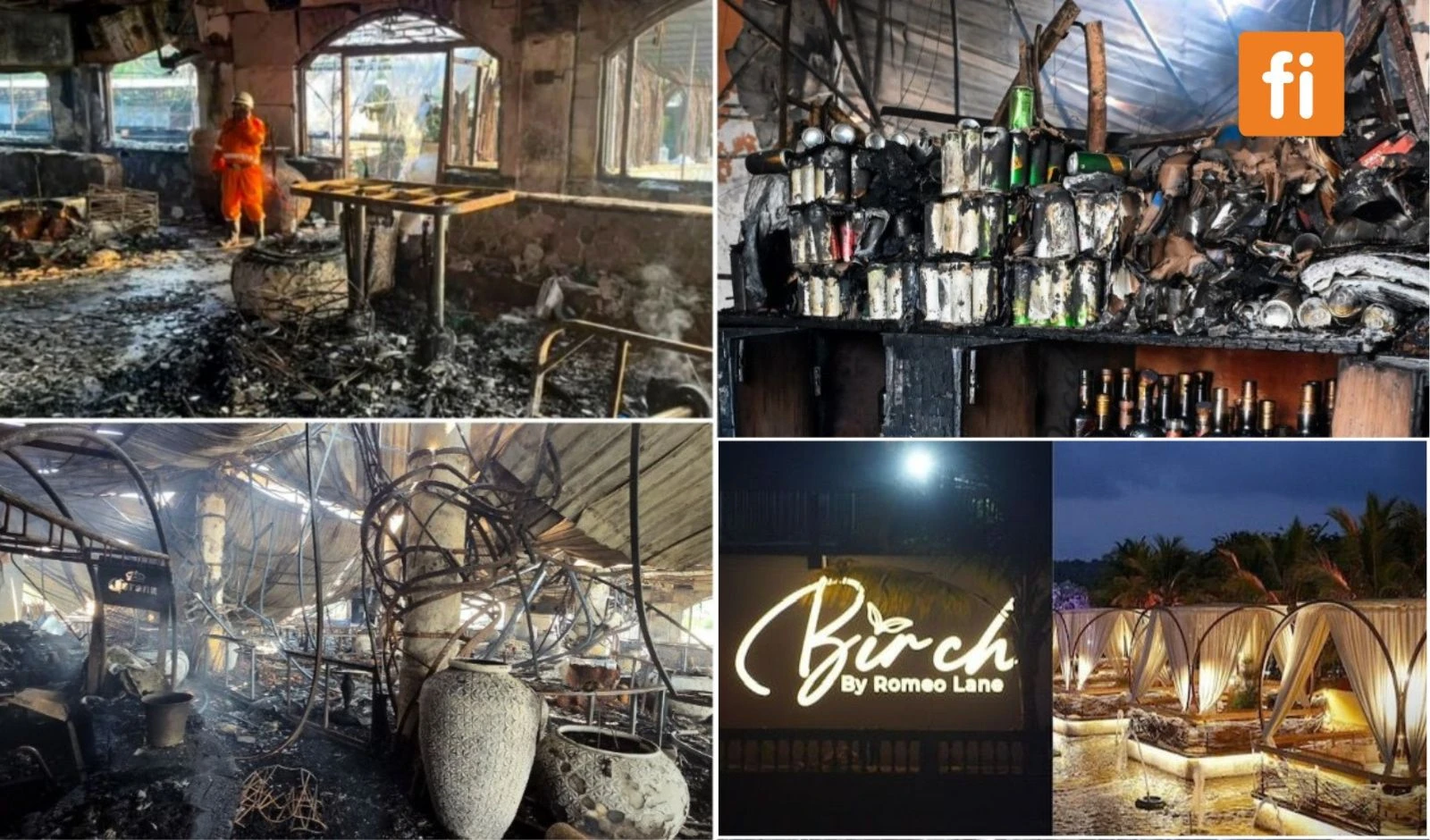
The recent tragic fire at the Romeo Lane outlet in Goa has once again brought into sharp focus a long-standing fault line in India’s franchising ecosystem—the disproportionate legal, financial, and criminal exposure borne by franchisees. While the immediate focus is rightly on accountability and justice for the victims, the incident also raises deeper structural questions: how should liability be apportioned among franchisees, franchisors, landlords, and public authorities? And more importantly, how can franchisee interests be safeguarded in high-risk, franchise-led businesses such as food, beverage, and nightlife?
As legal experts point out, this imbalance is not accidental, it is embedded in India’s contractual and enforcement framework.
“Under Indian law, the franchisee or outlet operator bears the primary responsibility for safety and regulatory compliance. As the occupier and employer, the franchisee owes a direct duty of care to customers and staff, and contractual frameworks often shift operational and compliance risks squarely onto the franchisee,”
Seema Jhingan & Pragya Jain, LexCounsel Law Offices.
Apportioning Liability Under Indian Law
- Franchisee: Primary and Immediate Liability
Under Indian law, the franchisee or outlet operator bears the most direct and immediate responsibility. As the occupier of the premises and employer of staff, the franchisee owes a duty of care to customers and employees. Any lapse—blocked fire exits, inadequate firefighting equipment, missing approvals, or poor crowd management—can lead to civil liability, criminal prosecution, and statutory compensation claims.
Franchise agreements governed by the Indian Contract Act, 1872, typically reinforce this exposure by allocating operational and compliance risks to the franchisee and imposing broad indemnities in favour of the franchisor.
“Indian precedent has consistently emphasised that the person running the establishment bears primary responsibility. As a result, franchisees are often structurally over-exposed—not necessarily due to culpability, but because enforcement, licensing, and contractual regimes converge against them,”
Jitin Talwar, Founder TT Consultants
In practice, franchisees become the first and most vulnerable target of enforcement, even where risks may have originated elsewhere.
- Franchisor: Liability Hinges on Control
Indian jurisprudence clearly distinguishes franchising from agency. Ordinarily, franchisors are not vicariously liable for acts of franchisees or their employees. Courts apply the traditional “control test”—unless the franchisor exercises direct control over day-to-day operations, including safety, staffing, equipment, or compliance, liability does not shift.
However, courts have recognised that liability may arise where franchisors exercise meaningful operational control.
“Where franchisors mandate layouts, crowd-density norms, approve high-risk events, or conduct safety audits but ignore known violations, the relationship begins to resemble a joint enterprise rather than a passive licence,” Jitin Talwar.
In such cases, franchisors cannot remain insulated merely because their role is contractually described as limited.
- Landlord: Liability for Unsafe or Illegal Premises
Landlords are not automatically responsible for operational safety, but liability can arise where premises are inherently unsafe or unlawful—such as illegal construction, zoning violations, missing occupancy certificates, or latent structural defects.
Indian courts have recognised landlord liability in fire-related tragedies, notably in the Uphaar Cinema case, where multiple stakeholders were held accountable for structural and regulatory failures.
“Liability ultimately turns on who was responsible for construction, approvals, and knowledge of defects. Where landlords knowingly permit unsafe premises, courts have not hesitated to impose responsibility,”
Seema Jhingan & Pragya Jain.
- Public Authorities: Oversight Failures, Limited Civil Liability
Public authorities have statutory duties to enforce building, zoning, and fire-safety norms. Regulatory failures may lead to disciplinary or criminal action against officials, but Indian courts have consistently limited the civil liability of the State.
Even where oversight lapses are proven, compensation liability usually rests with private operators rather than government agencies.
Why Franchisees Are Structurally Overexposed
Across legal and industry perspectives, one conclusion is clear: franchisees in India are overexposed not because they alone create risk, but because risk allocation is fundamentally imbalanced.
“Franchise agreements impose strict brand-control obligations while disclaiming responsibility for operational hazards. Insurance coverage for mass-casualty events is also limited, leaving franchisees exposed far beyond their actual control,”
Jitin Talwar.
While franchisors and landlords may influence layouts, capacity, and customer experience, liability continues to crystallise at the franchisee level.
Safeguarding Franchisee Interests: The Way Forward
- Mandatory Safety and Compliance Audits
Franchisors should be contractually obligated to conduct regular fire, structural, and electrical safety audits, verify licences, and issue written compliance reports with corrective timelines.
“You cannot contract out of responsibility if your systems create risk. If the franchisor designs the layout, crowd limits, or operational rules, they must share liability,”
— Tony White, MD, Tony White Consulting
- Stronger Compliance Oversight and Training
Beyond brand manuals, franchisors must actively support franchisees through training, approval guidance, and continuous operational oversight. Compliance must be shared—not outsourced.
- Balanced Indemnity and Insurance Frameworks
Blanket indemnities should be curtailed. Franchise agreements must limit franchisee exposure and mandate meaningful public liability insurance, especially in high-risk venues.
“In Australia, public liability insurance of $10–20 million for nightlife and F&B venues is standard. Following the law alone isn’t enough—strong systems and shared accountability save lives,” Tony White.
- Mandatory Franchise Disclosure Framework
Rather than over-legislating, India should adopt a mandatory Franchise Disclosure Document (FDD) regime clearly outlining allocation of risk, control, and responsibility.
“A disclosure-based framework would significantly reduce post-incident blame-shifting by making control and responsibility transparent from day one,” Seema Jhingan & Pragya Jain.
- Shared Liability Based on Control: Global Lessons
Australia offers a critical lesson: liability follows control, not contract wording.
“Disasters happen when one party designs the risk and another bears it. Shared responsibility isn’t just fair—it’s essential for safety,” Tony White.
The Romeo Lane tragedy is not an isolated incident—it is a warning. Safeguarding franchisees is not about diluting accountability; it is about aligning responsibility with control.
A safer, more sustainable franchising ecosystem in India will emerge only when franchisors, franchisees, landlords, and regulators all have skin in the game. Shared responsibility does not just protect businesses—it saves lives.