


 541
/ 4
Min Read
541
/ 4
Min Read


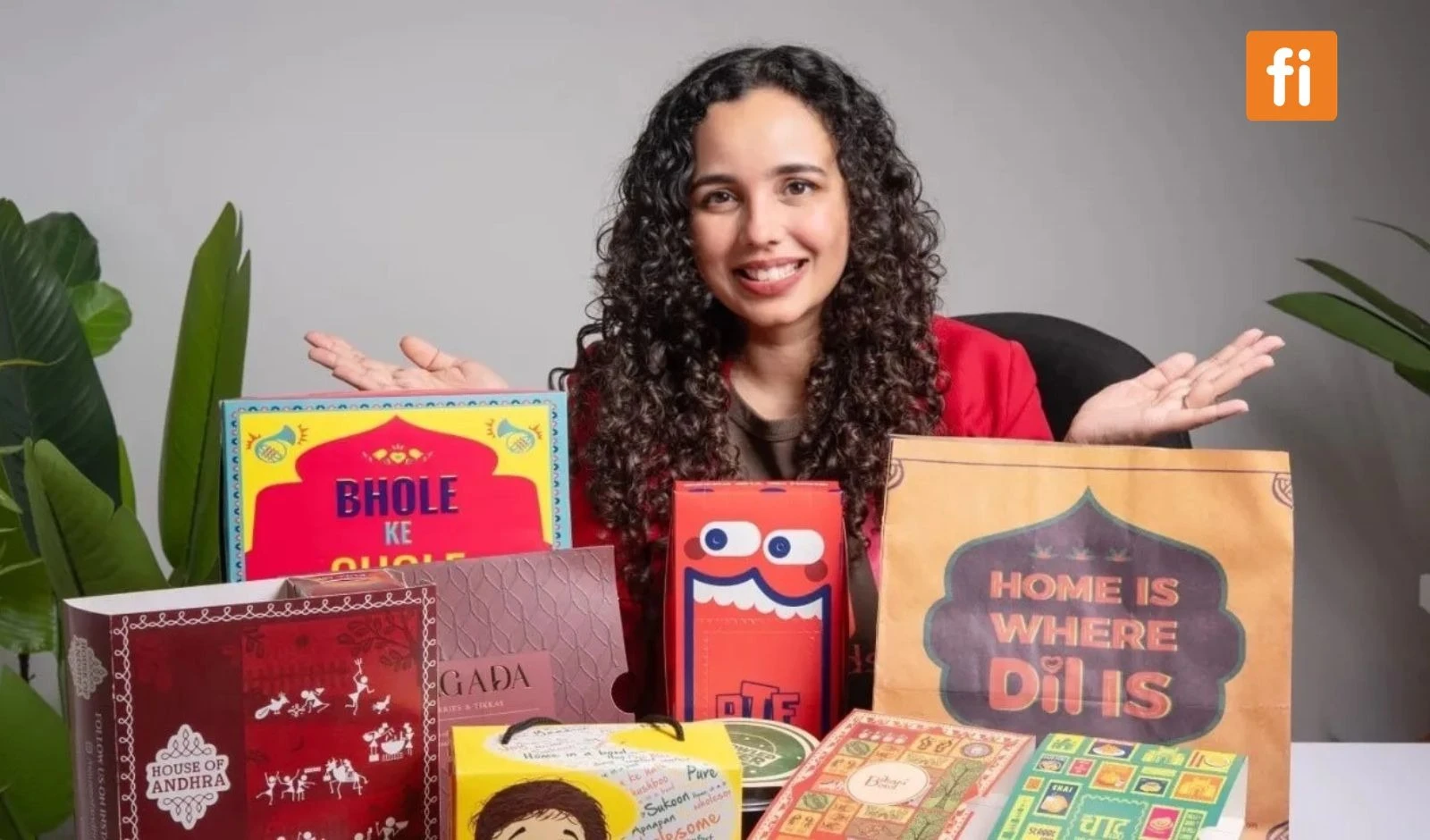
Strengthening its growth ambitions in India’s digital food delivery ecosystem, Dil Foods has raised Rs 72 crore in a Series B funding round aimed at scaling its regional cuisine portfolio and expanding its cloud kitchen and food-tech operations nationwide.
The round was led by the family office of Bikaji Foods International alongside participation from international investors and existing backers including V3 Ventures, Alteria Capital and MJV Ventures. Following the latest infusion, the company’s cumulative funding has grown to Rs 113.35 crore, including close to Rs 37.7 crore raised through earlier seed and Series A rounds.
Dil Foods operates a portfolio of virtual restaurant and regional cuisine brands designed for digital-first food consumption. The company currently manages nine regional food brands across six cities and caters to consumers in more than 340 pincodes. Its operating model integrates cuisine-led brands with backend technology, operational support and supply chain capabilities for partner restaurants.
Since its previous funding round, the company has entered new cities while reinforcing its presence in existing markets through stronger operational capabilities.
It has also expanded its network of restaurant partners and added new cuisine categories, aligning its offerings with the rising consumer preference for regional Indian food formats.
Arpita Aditi, Founder, Dil Foods, said, “Dil Foods has always been built on the idea of creating a sustainable ecosystem in the food industry. This funding will help us double down on that belief and capture a larger share of the consumer’s plate. With this capital, we aim to scale to 600 locations by FY28 and reach an annualized revenue of Rs 500 crore. A significant portion will also go into strengthening our backend production and supply chain. Last year, we set up one of Bangalore’s largest central kitchens, spanning over 1 lakh sq ft, and this is just the beginning.”
Arjun Vaidya, Founder, V3 Ventures, said, “We backed Dil Foods three years ago at a very early stage when they were at just 30 locations, and the 30X scale they’ve achieved since then has been remarkable. What’s even more impressive is how they’ve combined that growth with strong capital discipline and a model that’s genuinely differentiated in the cloud kitchen QSR space. They are probably the most capital-efficient business in the cloud kitchen QSR space in India. What I love is that Dil is building regional heroes. From a leading khichdi brand to a strong Bihari cuisine play and a fast-growing chole brand, it’s a clear sign of where India’s tastes are heading towards embracing regional flavours in a big way. They’re not just growing fast, Dil Foods is giving consumers their home favourites in an easy-to-access digital way - this impact makes it an even more interesting investment.”
Deepak Agarwal, Managing Director, Bikaji Foods International Limited, said, “Having built Bikaji on the foundation of bringing authentic Indian flavours to people across the world, this investment in Dil Foods feels especially meaningful to us. We see in their journey a shared passion for regional cuisine and a deep understanding of how consumer preferences in India are evolving. What stands out is their ability to blend culinary authenticity with a modern, scalable approach to distribution. As they continue to expand their footprint and portfolio, we are excited to support them not just as investors, but as strategic partners who believe in the same larger vision of taking India’s diverse food culture to more plates, more consistently and more efficiently.”
Mohammed Ali Shariff, Partner, Mount Judi Ventures, added, “This isn't a cloud kitchen play, it's a distributed virtual brand network built on infrastructure that already exists. Arpita and the team have turned the restaurant industry's biggest inefficiency into their moat, growing aggressively while keeping profitability at the core. This round sets them up to do it on a national scale.”
The company stated that the newly raised capital will be directed toward expanding its cuisine portfolio, enhancing backend production infrastructure, improving supply chain efficiency, and entering new high-growth markets, as demand for regional cuisine continues to grow across India’s food delivery platforms.

