


 2981
/ 6
Min Read
2981
/ 6
Min Read


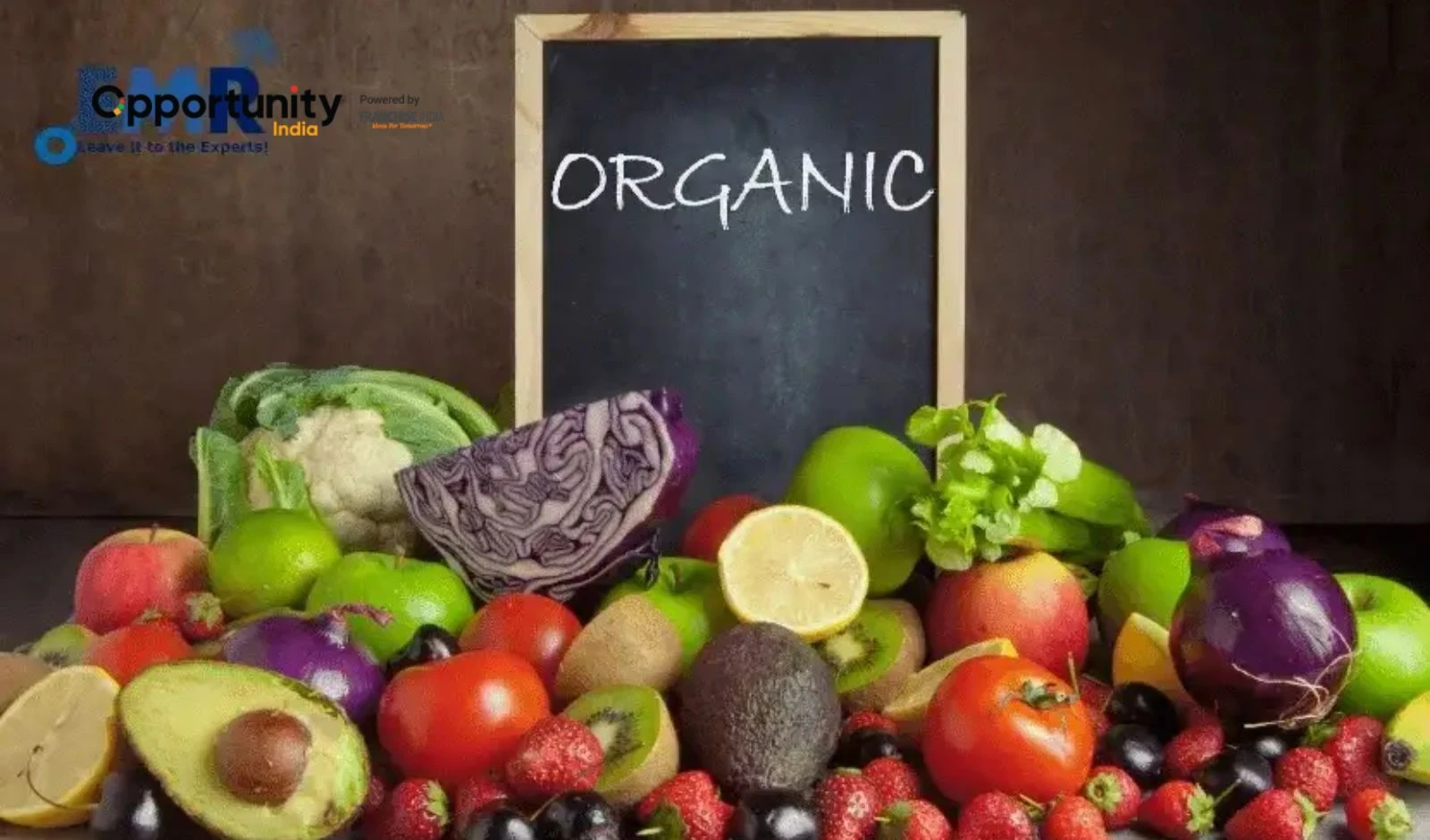
In recent times, Indians have become cautious about their diet. With increased awareness regarding health, fitness, and the ill effects of chemicals in foods, most have turned towards opting for organic foods. Organic foods are cultivated without synthetic pesticides, fertilizers, or genetically modified organisms (GMOs). It's healthier, safer, and better in nutrition.
More people in India are now choosing healthier food options. Families in big cities like Delhi and Mumbai, as well as in smaller towns, are looking for fresh food without chemicals. Because of this, the demand for organic food has grown very quickly. This change has helped the organic food industry grow fast and opened up great business opportunities for those who want to invest in it.
In this blog, we will try to discover Best Organic Food Franchise Opportunities in India and why they are in so much demand.
Why Organic Food Franchises are Trending in India
A number of important drivers are fueling the success of organic food franchises throughout the nation:
1. Increased Health Consciousness
Health-conscious consumers are becoming more aware of the impact of food on their well-being. With lifestyle-related ailments such as diabetes, obesity, and heart disease on the increase, individuals are seeking organic food due to its nutritional benefits and safety.
2. Government Initiatives
The government of India actively encourages organic farming with initiatives such as:
- National Program for Organic Production (NPOP) – Guarantees certification and quality.
- Paramparagat Krishi Vikas Yojana (PKVY) – Supports traditional and organic cultivation.
- FSSAI Organic Certification – Builds consumer trust by standardized labeling.
3. Environmental Benefits
Organic agriculture minimizes pollution, increases soil health, and encourages biodiversity. Consumers who are concerned about sustainability are opting for organic brands that reflect their values.
4. Changing Consumer Preferences
Individuals today prefer fresh, chemical-free, and natural foods. Organic foods are usually more nutritious, tastier, and are considered safer for the family.
Why Organic Food Franchises are an Intelligent Investment
High Demand: The market is growing at a very high rate, with growing Indians opting for organic food.
Repeat Customers: Customers who shop for organic foods are normally repeat customers and are regulars.
Premium Pricing: Organic foods have premium pricing, thereby registering higher profit margins.
Brand Trust: Certified organic brands are able to create strong customer loyalties.
Scalability: Most franchises provide multi-unit expansion options.
Low Risk: Due to increasing demand and government support, the risk is less compared to conventional food businesses.
Best Organic Food Franchise Opportunities in India (2025)
Following are some of the best organic food franchises for consideration:
1. Organic India
Organic India is one of the leading players in India's organic revolution, providing herbal teas, supplements, and food products grown in certified organic farms.
Founded: 1997
Products: Tulsi teas, organic grains, wellness supplements
Investment Range: ₹10–20 lakhs
USP: Robust brand recall, international presence, Ayurvedic origins
2. Farm2Kitchen
Farm2Kitchen directly connects consumers with farmers, providing fresh organic fruits, vegetables, and groceries.
Founded: 2011
Model: Farm-to-retail supply chain
Investment Range: ₹15–25 lakhs
USP: Direct sourcing, freshness assurance, offline and online model
3. Just Organik
.jpg)
Just Organik is an organic certified brand that provides a variety of food products ranging from pulses, flours, and spices to oils.
Founded: 2013
Model: Retail and e-commerce
Investment Range: ₹10–30 lakhs
USP: USDA and India Organic certified, robust export presence
4. Nature's Basket (Organic Section)
Nature's Basket is a gourmet food retailer, but its organic section is expanding fast. Franchisees may emphasize organic products in the brand's bigger format.
Founded: 2005
Model: Premium retail store
Investment Range: ₹40–60 lakhs
USP: Upscale customers, handpicked organic range
5. The Organic World
A retail chain selling 100% certified organic food, personal care, and home products. The brand focuses on clean living and sustainability.
Founded: 2016
Model: Independent organic stores
Investment Range: ₹20–35 lakhs
USP: Diverse range of products, eco-packaging, community support
6. Down to Earth
A Delhi-based organic brand selling grains, oils, snacks, and ready-to-eat food. It is known for its quality and transparency.
Founded: 2008
Model: Wholesale and retail
Investment Range: ₹15–25 lakhs
USP: Transparent sourcing, robust Delhi NCR presence
7. 24 Mantra Organic
It is one of the best-known organic food brands in India, with more than 200 products across categories.
Founded: 2004
Model: Retail, distribution, and export
Investment Range: ₹25–50 lakhs
USP: Pan-India presence, robust supply chain, certified farms
8. Green Station
An organic store located in Hyderabad that sells fresh produce, grocery items, and environment-friendly products. Has a focus on local sourcing and being sustainable.
Year Established: 2017
Business Model: Community-based retail
Range of Investment: ₹10–20 lakhs
USP: Zero-waste ethos, partnership with local farmers
9. Nutriorg
Nutriorg sells organic juices, superfoods, and wellness products. It fuses nutrition science and organic agriculture.
Established: 2014
Business Model: Retail and online
Range of Investment: ₹15–30 lakhs
USP: Health branding, strong online channel
10. Satvik Organic
Satvik Organic is an emerging brand that provides certified organic groceries and snacks. It is strong on affordability and reach.
Founded: 2018
Model: Retail and B2B
Investment Range: ₹8–15 lakhs
USP: Reasonably priced, growing in Tier 2 cities
Key Trends in Organic Food Franchising (2025)
Following are some trends that are going to shape the future of organic food businesses in India:
- Home Delivery Models: Organic food delivery is on the rise, particularly in city locations.
- Subscription Boxes: Monthly or weekly organic food boxes are on trend.
- Eco-Friendly Packaging: Companies are switching to biodegradable and reusable packaging.
- Digital Integration: Online ordering, mobile apps, and CRM systems are a necessity.
- Local Sourcing: People prefer locally sourced organic produce for freshness and sustainability.
How to Choose the Right Organic Food Franchise
Here's a checklist to assist you in making the correct decision:
- Budget: Align your investment potential with the franchise model.
- Location: Select locations with health-aware consumers—close to gyms, schools, or residential areas.
- Brand Support: Seek training, marketing, and operational support.
- Product Range: Make sure the brand has a good range of certified organic products.
- Certifications: Check that the brand is in compliance with FSSAI and other organic certifications.
- Scalability: Choose a model that supports future expansion or multi-unit ownership.
Conclusion
India’s organic food market is growing quickly, and 2025 is a great time to join in. More people now want healthy, natural food and care about the environment. Starting an organic food franchise can be a smart and rewarding business. It offers good profits while helping people live better and supporting eco-friendly farming. Whether you care about health, nature, or earning well, this industry has something for you.
Pick a brand that matches your values, fits your budget, and works well in your area. You’ll be building a business that helps both people and the planet.
FAQ
1. Do I need a background in agriculture or nutrition to run an organic food franchise?
No, most franchises provide training and support. A passion for healthy living and basic business skills are usually enough to get started.
2. Can I run an organic food franchise online without a physical store?
Yes, some brands offer e-commerce or delivery-only models, allowing you to operate through websites or apps without a retail outlet.
3. What kind of licenses are required to sell organic food in India?
You’ll need FSSAI registration and may also require organic certification from recognized bodies like NPOP or USDA Organic, depending on the brand.

