


 1016
/ 4
Min Read
1016
/ 4
Min Read


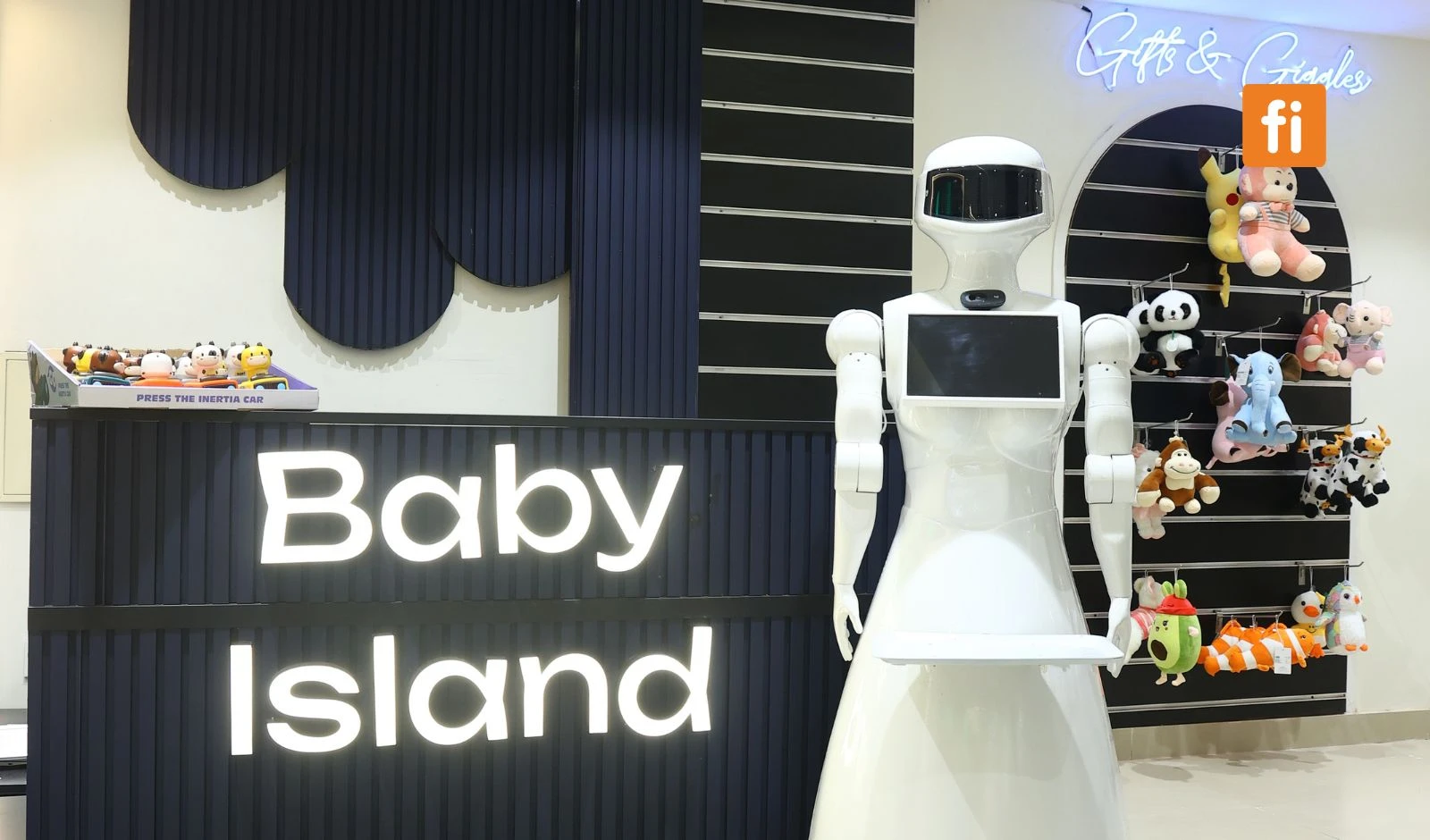
India’s kidswear market continues to present a paradox. Despite a large young population and rising disposable incomes among urban families, the organised kidswear segment remains relatively underdeveloped. While adult fashion, particularly menswear and womenswear, offers consumers an abundance of brand choices, quality-led kidswear options are few and far between. This evident gap has led to the emergence of Baby Island, a mid-premium kidswear brand backed by the retail and franchising expertise of its parent company, Roman Island.
The genesis of Baby Island can be traced to extensive market research and everyday observations. Many families resorted to sourcing clothes from overseas, often relying on relatives travelling from markets such as the US or Canada to bring back apparel for infants and young children. These behavioural patterns underscored an unmet demand within the domestic market.
A comparison across fashion categories further highlights this imbalance. Indian consumers can easily name several dozen menswear brands and a substantial number of womenswear labels. In contrast, the list of recognised kidswear brands remains notably short. This disparity reflects both the limited penetration of organised players and the operational challenges inherent in the category.
Kidswear manufacturing involves significantly higher complexity than adult apparel. From stringent safety norms and fabric quality standards to the need for superior comfort and precise sizing, the category demands greater control across the value chain. These factors have traditionally acted as entry barriers, discouraging many manufacturers from entering the segment. Baby Island has positioned itself to address this challenge through a quality-first approach and controlled production processes.
Positioned in the mid-premium and aspirational segment, Baby Island targets urban, quality-conscious parents. Its retail strategy is focused on establishing exclusive brand stores in metros, Tier I cities, and select Tier II markets, while consciously avoiding smaller towns and Tier III markets to maintain brand positioning and a consistent customer experience.
From Menswear to Kidswear: How Roman Island’s Franchising Success Led to the Birth of Baby Island
The foundation of Baby Island lies in the decade-long journey of its parent brand, Roman Island, a menswear label founded in 2011 by Charan Reddy and Arutla Karan Reddy under the KRD Group of Industries. Over the years, Roman Island has grown into a sizeable fashion brand offering clothing, footwear, and accessories, with a presence across multiple regions. The brand’s steady expansion driven largely through franchising has resulted in the opening of more than 200 stores across India.
Roman Island’s growth has been shaped by a focus on craftsmanship, curated collections and a customer-centric retail philosophy. Its experience in understanding consumer behaviour, store economics, and operational efficiencies has played a crucial role in building a scalable business model. These learnings have directly influenced the structure and strategy of Baby Island.
Encouraged by the success of Roman Island’s franchising-led expansion and the clear white space in the baby and kidswear market, the group decided to extend its expertise into this new category. As Charan Reddy notes, “The kidswear segment lacked organised brands that parents could rely on for quality and consistency, and our experience with Roman Island gave us the confidence to build a brand that addresses that need.”
Business model & Expansion
Baby Island’s operating model has been designed with a long-term perspective, balancing the interests of the brand, franchise partners and end consumers. Quality remains central to the proposition. Unlike many kidswear retailers that function as marketplaces sourcing from multiple vendors, Baby Island follows a 100 per cent in-house manufacturing approach, enabling tighter control over fabric quality, sizing accuracy, comfort, and durability. Design is also a key focus area, with an emphasis on contemporary, functional collections suited to the needs of infants and growing children.
Looking ahead, Baby Island’s growth strategy is anchored in an omnichannel approach. Over the next two to three years, the brand plans to build a stronger direct-to-consumer presence while expanding its physical retail network. The objective is to create a complementary online-offline ecosystem that caters to evolving shopping behaviours.
Geographically, the brand’s expansion will remain focused on metros, Tier I cities, and select Tier II markets with larger urban populations. Tier III towns and smaller markets are not part of the immediate roadmap, as the emphasis remains on sustainable growth and brand equity.
In the long term, Baby Island aims to establish itself as a credible kidswear brand in South India within the next five to six years, with ambitions to build national recognition over the following decade. By combining category insight, controlled manufacturing, and proven retail expertise, the brand is positioning itself to address a long-standing gap in India’s organised kidswear market.

