 10
/ 11
Min Read



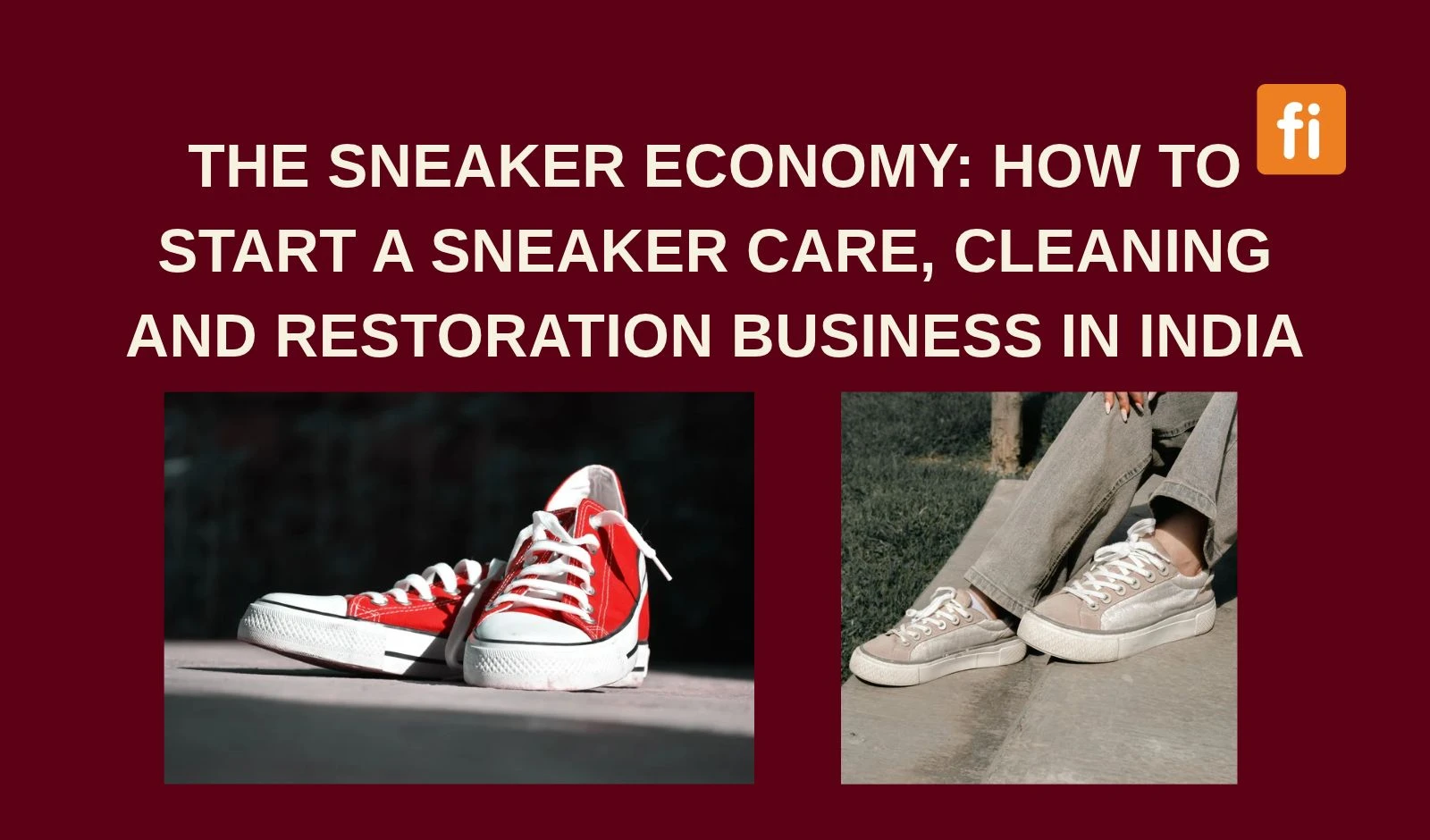
Sneakers have moved beyond everyday footwear to become a part of fashion, sports culture and personal expression. From limited-edition releases to premium leather and suede designs, consumers are increasingly investing in footwear they want to maintain for years. However, regular use exposes sneakers to dust, stains, odour, discolouration and material damage, creating demand for specialised cleaning and restoration services.
This presents an interesting opportunity for entrepreneurs. A professional sneaker-care business can offer everything from routine cleaning and deep washing to colour restoration, sole treatment and protective finishing. With options ranging from home-based operations to dedicated cleaning studios and doorstep services, entrepreneurs can enter this emerging segment at different investment levels.
Key Takeaways
- Sneaker care offers opportunities through cleaning, deep washing, restoration and protective treatments.
- Entrepreneurs can start with a home-based setup, a dedicated studio or a doorstep collection model.
- Investment depends on equipment, premises, service range and staffing.
- Material knowledge and specialised cleaning techniques are essential.
- Partnerships with sneaker retailers, resellers and online communities can help attract customers.
Why Sneaker Cleaning and Restoration Is Becoming a Business Opportunity in India
The growing interest in sneakers has created a customer base that looks beyond basic footwear maintenance. Consumers purchasing premium sports shoes, designer sneakers and limited-edition collections often want to preserve their appearance and extend their usable life.
This is particularly relevant for people who own multiple pairs and rotate them regularly. White sneakers, for instance, can develop stubborn stains and discolouration, while suede and leather footwear require careful handling. Conventional washing methods may not be suitable for these materials.
The business can attract sneaker enthusiasts, students, working professionals, collectors and customers who prefer maintaining expensive footwear rather than replacing it.
The opportunity also extends beyond individual customers. Sneaker retailers, resellers, sports stores and footwear boutiques can become potential business partners for maintenance and restoration services.
What Services Can a Professional Sneaker Care Studio Offer?
A sneaker-care business can begin with essential cleaning packages and gradually introduce specialised restoration services.
| Service | What it includes |
|---|---|
| Basic sneaker cleaning | Surface dust removal and routine cleaning |
| Deep cleaning | Cleaning uppers, midsoles, outsoles and interiors |
| White sneaker restoration | Treatment of stains and certain types of yellowing |
| Suede and nubuck care | Material-specific brushing, cleaning and finishing |
| Leather sneaker care | Cleaning, conditioning and surface maintenance |
| Sole restoration | Sole cleaning, whitening and selected repair work |
| Colour restoration | Colour touch-ups, recolouring and finishing |
| Odour removal | Interior cleaning and deodorising treatments |
| Sneaker protection | Suitable water and stain-repellent applications |
Deep cleaning is a regular revenue-generating service, while restoration treatments can help a business establish a specialised identity.
Entrepreneurs should understand that not every stain or damaged surface can be restored completely. The condition of the footwear, its construction and previous treatments influence the results. Customers should be informed about realistic outcomes before work begins.
How to Start a Sneaker Care, Cleaning and Restoration Business in India
Setting up a professional footwear-care operation requires more than purchasing cleaning products.
Here are the key steps:
1. Research local demand: Study sneaker ownership, premium footwear retail activity and competing cleaning or restoration services in the intended market.
2. Identify your customers: Focus on sneaker enthusiasts, students, professionals, collectors and owners of premium footwear.
3. Choose your service portfolio: Decide whether to offer basic cleaning, deep cleaning, specialist material care or advanced restoration.
4. Select a business model: Evaluate a home-based setup, dedicated studio, retail outlet or doorstep collection service.
5. Arrange equipment and supplies: Source appropriate brushes, cleaning solutions, drying equipment and protective products.
6. Develop pricing: Set charges according to the service, footwear material, condition and time required.
7. Build your customer base: Establish an online presence and develop partnerships with footwear retailers and sneaker communities.
Starting with a limited range of services and expanding after gaining practical experience can help control initial expenses.
Choosing the Right Business Model
There is no single format for operating a sneaker-cleaning business. Entrepreneurs can select a model based on available capital, customer demand and the scale they want to achieve.
- Dedicated sneaker cleaning studio: A specialised outlet offering cleaning, maintenance and restoration. It can attract customers looking for professional care for premium footwear.
- Shoe laundry outlet: A broader footwear-care business that handles sneakers, sports shoes, casual footwear and selected other categories.
- Home-based setup: A suitable entry point for entrepreneurs with limited capital. Orders can be accepted online, with customers dropping off or arranging collections of their shoes.
- Mobile or doorstep service: Customers book a service, and the business manages footwear collection and delivery. This model can work well in residential clusters.
- Retail or mall kiosk: A compact customer-facing format that can provide basic cleaning and accept footwear for specialised treatments.
- Online booking and courier model: Customers book services digitally and send their footwear to a central cleaning facility. This approach can expand the customer base beyond one locality, although logistics and packaging need careful management.
Entrepreneurs should choose a model that matches their operational capabilities rather than expanding into multiple formats immediately.
Sneaker Cleaning Business Setup Cost and Investment in India
The initial investment depends on the business format, location, equipment quality and services offered.
The following are preliminary planning estimates for different setups.
| Business format | Indicative investment |
|---|---|
| Small home-based setup | ₹50,000–₹1.5 lakh |
| Small commercial studio | ₹2–5 lakh |
| Premium sneaker-care studio | ₹5–10 lakh |
Some of the major expense categories include:
| Expense | Estimated cost |
|---|---|
| Initial cleaning supplies | ₹15,000–₹40,000 |
| Brushes and cleaning accessories | ₹5,000–₹15,000 |
| Drying equipment and storage | ₹10,000–₹30,000 |
| Furniture and workspace arrangement | ₹20,000–₹60,000 |
| Branding and website | ₹10,000–₹40,000 |
| Initial marketing | ₹10,000–₹30,000 |
These figures are indicative planning estimates, not verified industry benchmarks. Actual costs will vary according to the city, premises, equipment quality, inventory and working capital requirements.
Entrepreneurs should also maintain a working capital reserve for rent, salaries, consumables, delivery expenses and marketing during the initial months.
Equipment and Products Required for Professional Shoe Cleaning
The quality of cleaning equipment directly affects the consistency of the service. A professional studio should maintain separate tools and products for different footwear materials rather than using the same cleaning method for every pair.
Essential equipment and supplies include:
- Cleaning brushes: Soft, medium and firm-bristle brushes for different surfaces.
- Microfibre cloths: For wiping, drying and removing cleaning residue.
- Sneaker cleaning solutions: Suitable formulations for general cleaning and specific materials.
- Suede brushes and erasers: For surface maintenance and selected marks on suede footwear.
- Leather cleaners and conditioners: For cleaning and maintaining leather uppers.
- Drying equipment: Suitable airflow-based drying arrangements that avoid excessive heat.
- Shoe trees and inserts: To help maintain footwear shape during certain treatments.
- Odour-control products: For interior cleaning and deodorising.
- Protective sprays: Appropriate products for water and stain resistance.
- Storage and packaging: Racks, shoe bags, boxes and protective packaging for completed orders.
Material compatibility is particularly important. Canvas, mesh, leather, suede and synthetic uppers respond differently to moisture and cleaning agents.
Space, Location and Daily Operations
A small home-based operation can begin with a dedicated, organised workspace. A commercial studio, however, should have sufficient room for customer intake, cleaning, drying, finishing and storage.
Locations near colleges, shopping centres, premium residential areas and sneaker retail clusters may offer access to relevant customer groups.
Daily operations should follow a consistent process:
1. Inspect the footwear and photograph its existing condition.
2. Record the material, visible damage and requested treatment.
3. Explain the proposed service and expected results.
4. Clean and restore the footwear using suitable techniques.
5. Dry, inspect and complete the finishing process.
6. Package the footwear and arrange customer collection or delivery.
Maintaining photographs and service records helps manage customer expectations and resolve disputes about pre-existing damage.
Skills, Training and Staffing Requirements
Sneaker cleaning and restoration require practical knowledge of footwear materials, construction and treatment methods.
Important skills include:
- Material identification and stain assessment.
- Cleaning techniques for leather, suede, canvas and mesh.
- Colour matching and surface finishing.
- Sole cleaning and selected restoration procedures.
- Odour treatment and protective applications.
- Customer communication and order management.
A small operation can initially be managed by the owner, with additional staff recruited as order volumes increase. Employees should receive hands-on training before handling premium or delicate footwear independently.
Pricing, Revenue and Profit Potential
Revenue depends on the number of orders, average service value, customer retention and the range of treatments offered. Basic cleaning can attract regular customers, while specialist restoration work can increase the average order value.
A business can develop different pricing packages:
- Basic cleaning for routine maintenance.
- Premium deep cleaning for heavily used footwear.
- Material-specific treatments for suede and leather.
- Sole cleaning and restoration.
- Colour restoration and finishing.
- Protective treatments.
- Monthly or quarterly maintenance packages.
- Additional pickup and delivery services.
Illustrative monthly revenue calculation:
Consider a small studio handling the following orders:
| Service | Monthly orders | Average price | Revenue |
|---|---|---|---|
| Basic and deep cleaning | 150 | ₹500 | ₹75,000 |
| Premium cleaning | 50 | ₹900 | ₹45,000 |
| Restoration services | 30 | ₹1,800 | ₹54,000 |
| Total | 230 | ₹1,74,000 |
This example represents potential monthly gross service revenue, not guaranteed earnings or profit. Actual profitability will depend on staff costs, rent, cleaning materials, utilities, delivery, marketing, taxes and other operating expenses.
Marketing Strategies to Attract Sneaker Enthusiasts
Visual marketing is particularly useful for this business because customers can see the difference between untreated and professionally cleaned footwear.
Entrepreneurs can focus on:
- Before-and-after videos: Showcase cleaning and restoration results through short-form videos.
- Social media marketing: Use Instagram and other visual platforms to reach sneaker enthusiasts.
- Local SEO: Optimise online listings for searches such as sneaker cleaning near me and shoe cleaning services.
- Google Business Profile: Display services, customer reviews, contact details and location information.
- Retail partnerships: Collaborate with sneaker stores, resellers and sports footwear retailers.
- Referral programmes: Encourage existing customers to recommend the service to friends and fellow sneaker enthusiasts.
Customer reviews, transparent pricing and clear service descriptions can help build trust, especially when customers are handing over expensive footwear.
Licences, Registrations and Compliance
The registration and compliance requirements of a sneaker cleaning and restoration outlet generally depend on its legal structure, location, premises and the processes it undertakes.
Entrepreneurs should consider the following:
- Business registration: Select an appropriate business structure, such as a proprietorship, partnership, LLP or private limited company.
- Udyam registration: Eligible businesses can register as MSMEs through the official Udyam portal.
- GST registration: Apply when the business meets the applicable turnover threshold or falls under a compulsory registration provision.
- Shops and Establishments registration: Check the requirements applicable in the respective state.
- Municipal permissions: A local trade licence or other municipal permission may be required, depending on the location.
- Fire and premises compliance: Follow applicable building, fire safety and commercial establishment requirements.
- Wastewater management: Businesses using water, detergents and chemical cleaning products should assess applicable discharge and pollution-control requirements.
A standalone sneaker-cleaning service should not automatically be treated as a footwear manufacturing unit requiring product certification.
Challenges in the Business and How to Manage Them
Despite its potential, sneaker care is a specialised service business with several operational challenges.
| Challenge | How to manage it |
|---|---|
| Risk of footwear damage | Use material-specific products and trained staff |
| Difficult stains | Conduct an assessment before accepting restoration work |
| Unrealistic customer expectations | Explain achievable results before treatment |
| Inconsistent service quality | Follow standard operating procedures |
| Limited repeat business | Introduce maintenance packages and loyalty programmes |
| Collection and delivery issues | Maintain order records and clear delivery timelines |
One of the biggest challenges is managing customer expectations. Some forms of discolouration, material deterioration and structural damage cannot be reversed completely.
FAQs
1. How much investment is required to start a shoe cleaning business?
A small home-based setup may require around ₹50,000–₹1.5 lakh, while a commercial studio may need ₹2–5 lakh or more, depending on the location and services offered.
2. What equipment is needed for a sneaker cleaning studio?
Essential supplies include cleaning brushes, microfibre cloths, material-specific cleaning solutions, suede care products, drying equipment, shoe trees and protective sprays.
3. Can a sneaker cleaning business be started from home?
Yes. Entrepreneurs can start with a dedicated workspace, online bookings and local pickup and delivery arrangements, provided applicable local requirements are met.
4. How much should professional sneaker cleaning services charge?
Pricing depends on the footwear material, condition, cleaning complexity and local competition. Basic cleaning, deep cleaning and restoration should have separate price points.
Conclusion
The sneaker economy is creating opportunities beyond footwear retail, including specialised maintenance and restoration services. Entrepreneurs entering this segment can begin with routine cleaning and gradually introduce premium treatments as their skills and customer base grow. A combination of material knowledge, reliable service standards, transparent pricing and effective digital marketing can help build a sustainable business. Whether through a home-based setup or a dedicated studio, professional sneaker care offers an interesting niche within India's broader footwear services market.
Interested in exploring footwear-care and sneaker laundry franchise opportunities? Discover relevant business opportunities o Franchise India and evaluate the models that match your investment and business goals.
Read More: Shoe & Sneaker Laundry Franchises