



 531
/ 4
Min Read
531
/ 4
Min Read


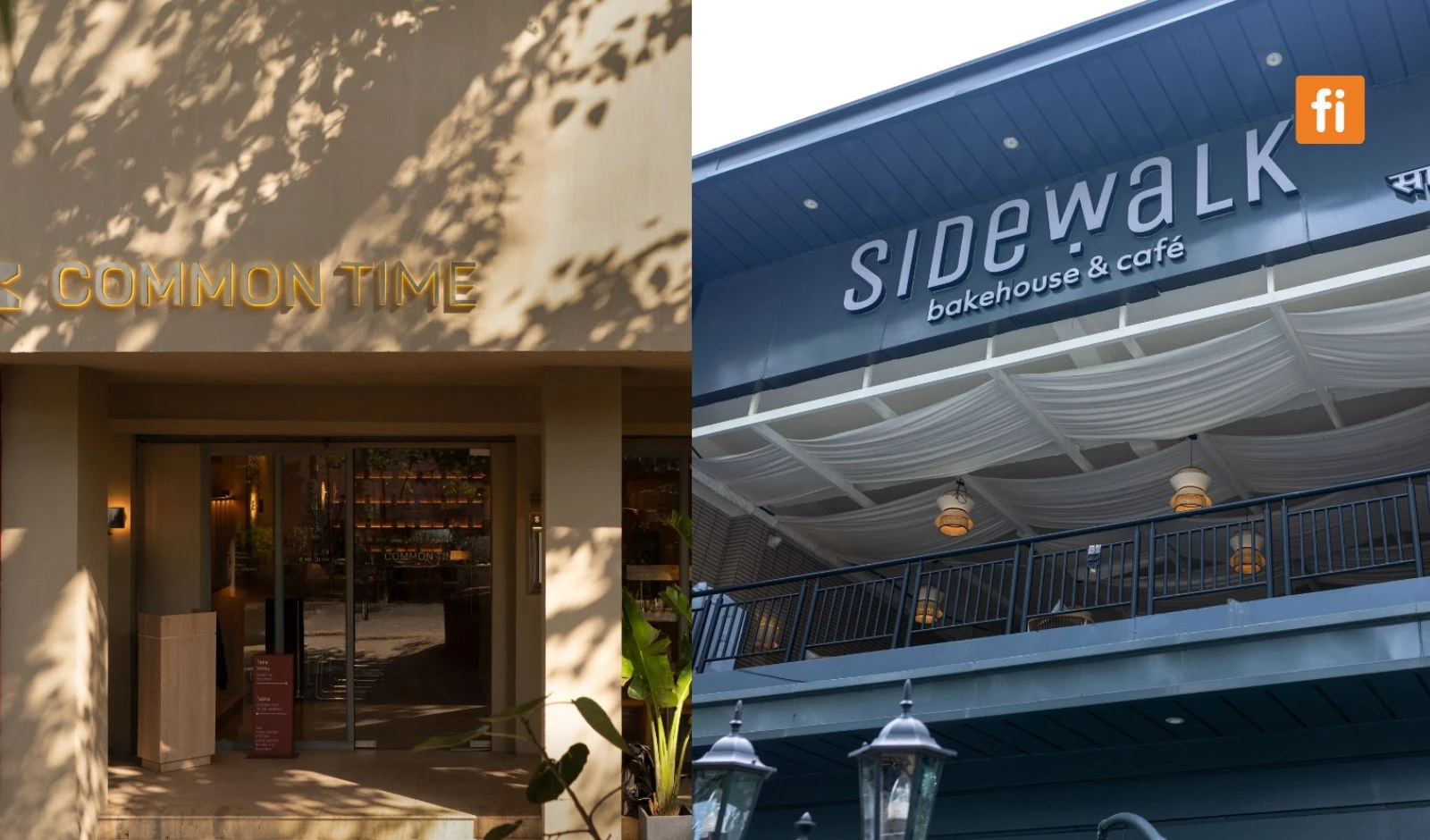
As India’s café economy enters its next phase of growth, hospitality brands are increasingly being challenged to balance expansion with identity. Consumers today are not just buying coffee they are choosing experiences, community and spaces that reflect changing lifestyles. Against this backdrop, Common Time and Sidewalk are outlining an ambitious but measured growth strategy rooted in differentiated market behaviour, disciplined expansion and strong hospitality fundamentals.
Over the last financial year, the group has scaled from an Annual Recurring Revenue (ARR) of ₹12 crore in FY 2024–25 to ₹48 crore in FY 2025–26, with a near-term ambition to reach ₹75 crore as additional locations come online. The business currently estimates its valuation at approximately ₹150 crore, with aspirations to move towards ₹250 crore over the next year through calibrated expansion and sustained operational growth.
The growth strategy reflects a nuanced understanding of how café culture differs across India.
Directors at Bhatia Hospitality Group Jaivardhan Bhatia and Sagar Bhatia share,’’In Tier 1 cities, consumers increasingly gravitate toward specificity and depth. Café brands no longer need to be everything to everyone, it’s specialisation, focused menus and distinct experiences drives the loyalty. At the same time, urban lifestyles create demand for shorter, intentional moments of pause, where coffee becomes part of everyday routines rather than destination dining.
Tier 2 markets, however, operate differently. Consumers spend more time within café environments and seek spaces that feel warmer, slower and more communal. Menus often extend beyond coffee into broader food offerings and multiple consumption occasions, creating a different operating and hospitality model.
Recognising these behavioural shifts, Common Time and Sidewalk are following independent expansion pathways.’’
Common time will strengthen its presence by diving deeper Delhi NCR with new stores in Huaz Khas, Aerocity and Golf Course Road Gurgaon as well as exploring new markets with an outpost in Goa launching in August and Mumbai later this year
Sidewalk, meanwhile, has quietly built a loyal consumer base across its existing markets and is now expanding into three additional cities: Banaras, Prayagraj, Bareilly and Dehradun. The move reflects a broader shift in discretionary spending patterns across Tier 2 India and a rising appetite for café-led social experiences.
Despite operating in a category often associated with rapid expansion and external capital, the group continues to remain bootstrapped until any entrant of external investments. Currently, The Hospitality group’s approach has shaped how decisions are made considering the loyal audiences attached to the Brands under the parent company.
For the founders, expansion is less about aggressive footprint growth and more about disciplined capital allocation. Every investment decision is evaluated against long-term sustainability, operating strength and customer retention rather than short-term scale metrics.
While external funding often accelerates growth trajectories, it also changes expectations. Remaining self-funded has allowed the business to maintain stronger control over pace, economics and market selection.
The company believes that while ambience, marketing and visual appeal help attract customers, sustainable café businesses are ultimately built on two fundamentals: the quality and consistency of food and beverage offerings, and the warmth of hospitality.
Of the two, hospitality remains the harder variable to scale.
As coffee consumption matures across India, loyalty is increasingly being shaped less by connoisseurship and more by emotional familiarity, how consistently a space delivers, how teams engage with guests and whether customers feel compelled to return.
For Common Time and Sidewalk, the next stage of growth is being designed around that belief: that successful cafés are not only built through locations and numbers, but through people, operational discipline and experiences that consumers choose repeatedly.
Internally, the business continues to invest in building teams and creating environments where employees can grow alongside the brand—viewing talent as one of the strongest multipliers for sustainable expansion.

