



 1590
/ 9
Min Read
1590
/ 9
Min Read


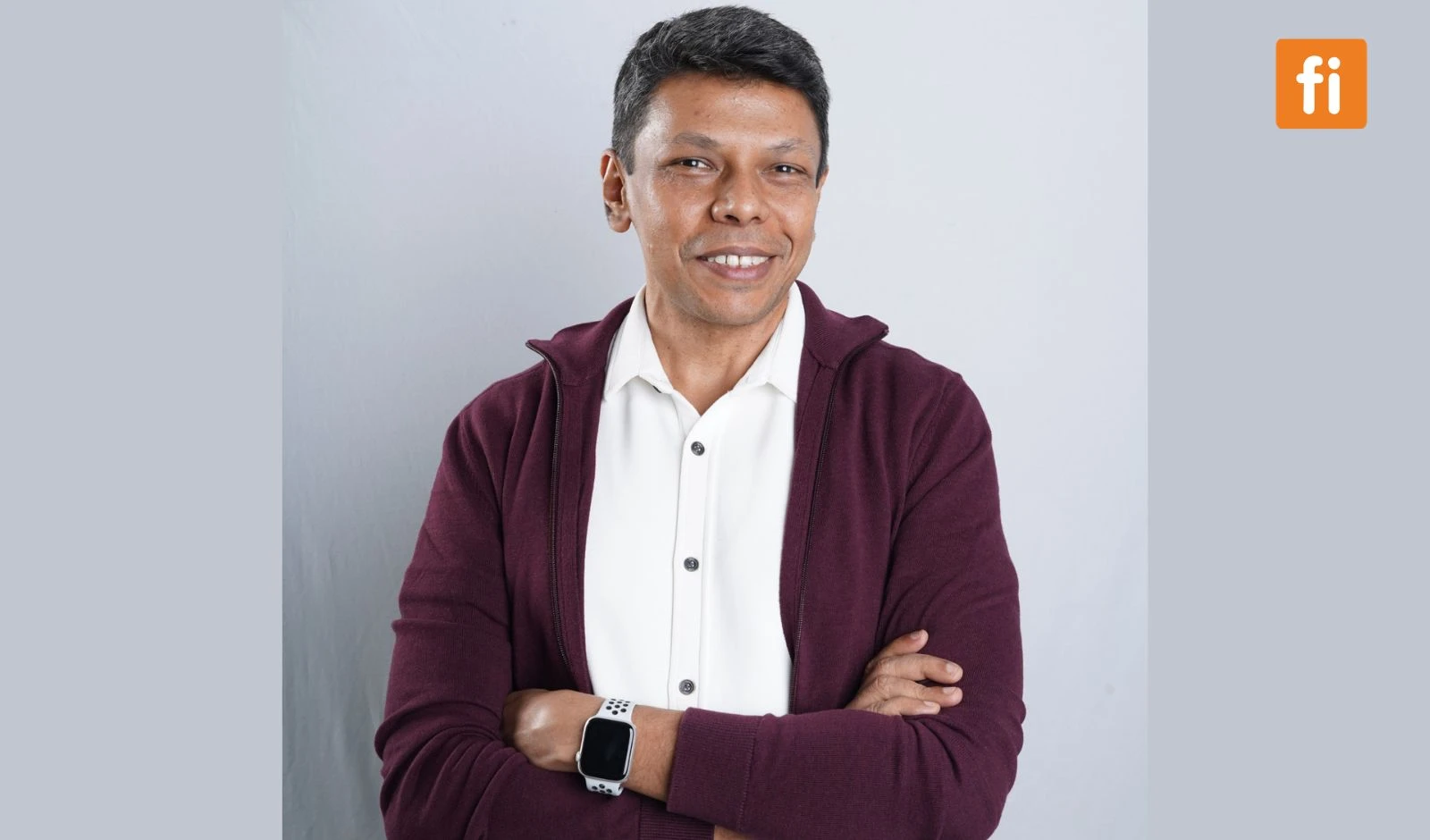
From taking inspiration from global giants to creating a uniquely Indian vegetarian burger concept, Dheeraj Gupta, Founder and MD of Jumboking, talks about the brand’s evolution, its franchise-driven growth strategy, and the roadmap for scaling the business across the country. He also highlights the importance of strong systems, supply chain innovation, franchisee success, and how Jumboking aims to become a national brand with over 1,000 outlets in the coming years.
Take us back to the beginning. What sparked the idea behind Jumboking and what consumer need were you looking to fulfil?
Jumboking was inspired by global QSR brands such as McDonald's, Subway, and Domino's, which had built highly efficient systems capable of operating thousands of outlets across multiple countries. Observing how these brands successfully scaled worldwide sparked the idea of creating a similar Indian brand that could also expand globally.
The core thought was to build an Indian brand with international potential. As India moves toward becoming a global economic powerhouse, its brands can also become a form of soft power representing the country globally. Jumboking was envisioned as one such brand that could showcase Indian entrepreneurship and scale internationally.
How has the brand’s vision evolved from inception to becoming a recognized QSR name today?
In the early stages, Jumboking was almost like an experiment in understanding consumer psychology and brand building. Influenced by the principles outlined by Al Ries, particularly the idea of brand focus and specialization, the team studied how enduring brands are built.
Global brands such as McDonald’s focus solely on burgers, Domino’s on pizzas, and Subway on sandwiches. The question was whether a similar focused approach could succeed in India. Would Indian consumers respond the same way as those in Western markets?
Jumboking was built around this concept of specialization. Over time, the brand evolved into a focused burger chain with a clear identity and positioning within the QSR segment.
What does Jumboking represent in today’s highly competitive quick service restaurant market?
Today, Jumboking has positioned itself as a burger brand in an extremely competitive market dominated by international players with vast global experience.
To stand apart, Jumboking has chosen a unique strategy, becoming the world’s first vegetarian-only burger brand. The brand believes this specialization provides a strong competitive advantage in India.
A significant portion of Indian consumers follow a vegetarian diet either full-time or on certain days. By focusing exclusively on vegetarian burgers and offering a wide variety within that segment, Jumboking aims to become the go-to destination for vegetarian burger lovers.
This super-specialization allows the brand to own a niche within a crowded category and create a strong identity among consumers.
How do you balance affordability, quality and speed while maintaining strong unit economics?
Balancing these three elements is the essence of the QSR business.
Quality must always be consistent, speed of service is critical, and customers must feel they are getting good value for their money. Unlike fine dining or gourmet burger chains, QSR brands cater to customers who want tasty food quickly at accessible prices and from convenient locations.
Jumboking’s operational systems are designed around delivering this balance consistently across all outlets.
What role does product innovation play in sustaining customer interest and repeat visits?
In the QSR industry, brands often face something called menu fatigue, where customers lose interest if the menu remains unchanged for too long. To counter this, Jumboking focuses on maintaining menu freshness.
The brand follows a structured product calendar and typically introduces new flavours or products every quarter. These launches create excitement among customers while keeping the menu dynamic.
At the same time, products that do not perform well are gradually phased out. This ensures the supply chain remains efficient while allowing the brand to continuously introduce new options aligned with consumer preferences and emerging food trends.
This approach helps Jumboking remain relevant to its core audience, especially young consumers who enjoy experimenting with new flavours.
Jumboking follows a 100 percent franchise-led model. What led to this strategic decision?
Initially, the first three stores were company-owned. After gaining some experience, the company shifted completely to a franchise model and even sold those company-owned outlets to franchise partners.
Later, the company experimented again with running company-operated stores to understand the advantages and challenges of both formats.
These experiences reinforced the belief that franchising is a far more scalable model when supported by strong systems and processes. Global QSR brands have grown successfully using this approach, and Jumboking realized that India is no different.
By building robust systems and providing franchisees with the right tools and support, the company believes it can scale faster while ensuring franchise partners succeed.
What kind of support systems do you provide to franchise partners?
Jumboking has invested heavily in building systems that help franchisees operate efficiently.
One of the key initiatives is JQ University (Jumboking University), a digital training platform containing over 200 videos and guides that cover every aspect of running a store—from operations and staff training to customer service.
This digital platform allows franchisees across cities like Mumbai, Delhi, Bangalore and upcoming markets to train staff consistently. Since staff turnover can be high in the QSR industry, this training system enables quick onboarding of new employees.
On the marketing side, the brand has developed the Jumboking mobile app along with a customer loyalty program. The app helps the company stay connected with its customer base, understand their preferences, and communicate new product launches and special offers.
For instance, special app-only promotions allow loyal customers to enjoy exclusive discounts, which also strengthens brand engagement.
What makes the Jumboking franchise opportunity attractive for entrepreneurs?
Jumboking’s franchise system is designed with a strong focus on franchisee success. Since the brand operates entirely on a franchise-led model, all major investments are directed toward building tools and systems that help partners grow.
One important aspect is real estate. The company identifies high-quality locations and allocates them to franchise partners, ensuring transparency and fairness.
Additionally, Jumboking runs a structured Franchise Entrepreneurship Program for new partners. This program distils lessons from both successful franchisees and those who struggled, allowing new entrants to learn from past experiences.
For franchisees expanding to multiple outlets, the company also offers a Franchise Accelerator Program that equips them with the skills required to manage multi-unit operations.
These programs ensure franchise partners grow alongside the brand.
The brand is targeting expansion across multiple states. What markets are currently in focus?
For many years, supply chain limitations restricted Jumboking’s expansion beyond cities like Mumbai and Delhi.
A breakthrough came when the company partnered with Radhakrishna Foodland, which enabled a standardized national logistics system for product distribution.
With this challenge resolved, Jumboking can now expand across the country. The company plans to enter new states by first launching stores in state capitals such as Jaipur, Ahmedabad and Kolkata.
Once a presence is established in these cities, the brand plans to expand further into other urban and tier-2 and tier-3 markets within those states.
How do you identify the right locations and partners when entering new territories?
Real estate plays a critical role in the success of a QSR outlet. Jumboking therefore has a dedicated real estate team that continuously scouts potential locations.
The company currently maintains a large property database and works directly with property owners to secure suitable sites. Once a strong location is identified, the brand matches it with the right franchise partner.
Jumboking also prefers franchisees who are actively involved in the business rather than passive investors. The company encourages hands-on operators who are committed to running and growing the outlet.
Successful franchisees often expand into multiple stores, with some managing five or more locations.
What milestones define success for Jumboking over the next three to five years?
Jumboking currently operates around 175 stores and has set an ambitious goal of reaching 1,000 outlets across India.
With the supply chain challenges now resolved and systems in place to support franchise partners, the brand believes this expansion is achievable over the coming years.
How will strengthening the leadership team support national growth?
As the company scales across multiple states, strengthening the leadership team becomes essential.
While many senior roles are filled through internal promotions, the company also brings in experienced professionals from outside when required. This helps build strong operational teams capable of supporting franchise partners across different regions.
The objective is to ensure that the promises made to franchisees in terms of training, support and operational guidance are consistently delivered.
What have been the key challenges in scaling a QSR brand in India?
For Jumboking, the biggest challenge was building a nationwide supply chain that could support consistent product quality and distribution.
Now that this challenge has been resolved, the next focus area is brand awareness in new markets where the company may not yet be widely recognized.
Digital tools such as the loyalty program, the Jumboking app, training platforms, and product innovation will play an important role in supporting growth in these markets.
How do you see the Indian QSR market evolving?
India represents a massive and largely untapped market for the QSR sector.
The country has a young population, rising disposable incomes, and rapidly growing urban lifestyles. As these trends continue, the demand for quick-service dining options is expected to grow significantly.
Jumboking is building its systems and processes with a long-term perspective, aiming to remain relevant and competitive over the next several decades.
What message would you like to share with aspiring franchisees?
Gupta often compares the franchise journey to studying at a prestigious institution or joining a well-equipped gym.
The systems, training and support structures are in place, but success ultimately depends on the individual’s dedication and effort. Franchisees must actively engage with the business, follow the systems, and put in consistent work.
Simply joining the network is not enough. Those who fully commit to the process and apply the available tools effectively are the ones who build successful businesses.

