


 1210
/ 6
Min Read
1210
/ 6
Min Read


For many years, American franchise brands like McDonald’s, Subway, and Starbucks were seen as the top choice for starting a business in India. They came with strong global recognition, ready-made systems, and a sense of prestige. But things are changing. In 2025, more Indian entrepreneurs are turning toward homegrown franchises and they’re finding better value, more flexibility, and stronger connections with local customers.
Made-in-India franchises are built for the Indian market. They understand local tastes, offer affordable investment options, and give business owners more control. With growing support from the government and rising demand for Indian products and services, investing in a local franchise is becoming a smarter and more profitable choice.
In this blog, we’ll find out why choosing a made-in-India franchise is a better option than going with an American brand, especially for those who want to build a successful business that truly fits the Indian market.
Why were American Franchises Popular in the Past?
American franchises used to stand for prestige and dependability. They provided:
- Pre-packaged marketing: International campaigns and sleek promotion materials
- Tested systems: Replicated operations, supply chains, and training initiatives
- Automatic brand recognition: People already recognized the logo, menu, and experience
- Perceived security: Foreign brands were perceived as safe and high-quality
For others, a franchise from America seemed like a shortcut to success. You didn’t need to build a brand from scratch, you simply joined a setup that was already working well around the world.
Why American Franchises Are Losing Ground in India
While they initially enjoyed popularity, many entrepreneurs now know that American franchises have quite a few downsides:
1. High Franchise Fees
Foreign brand franchising typically requires ₹30–70 lakhs as fees, which is unaffordable for most small business people.
2. Recurring Royalties
5–12% monthly royalty outflows nibble into profits, leaving franchisees with meager returns.
3. Limited Control
There is no ability to modify the menu, prices, or advertising without corporate sanction even if local tastes require it.
4. Cultural Disconnect
American brands and food menus don’t always match what Indian people like to eat, how they think, or how much they usually spend.
5. Rigid Business Models
Tight regulations limit creativity and responsiveness to domestic trends.
6. Market Saturation
Excessive outlets within a locality result in intra-market competition and lower profitability.
7. Slow Adaptation
International brands tend to take more time in responding to local people’s feedback or market changes.
Because of these problems, many Indian business owners are now changing their plans and looking for Indian franchise options instead of foreign ones.
Why Made-in-India Franchises Are a Smarter Choice
Indian franchises are designed for Indian consumers. They know local tastes, cultural sensibilities and market realities. Here's why they're a good fit:
1. Lower Investment Costs
Indian franchises mostly have the initial investment cost between ₹5–30 lakhs, making it easier for more investors to access them.
2. Flexible Royalty Structures
Several local brands have fixed fees or lower royalties (0–5%), so franchisees don't lose too much profit.
3. Full Operational Control
Franchisees can change menus, advertising, and shop designs to local requirements without the need for approvals.
4. Cultural Fit
Indian companies provide goods that are attuned to local tastes, spicy foods to traditional thalis.
5. Local Supply Chains
Made-in-India manufacturing means quicker delivery, lower prices, and fewer delays.
6. Quick Innovation
Businessmen can experiment with new concepts, offer promotions, and react to trends with ease.
7. Government Support
Programs such as Make in India and Startup India provide local businesses with tax relief, funds, and training.
8. Increased Customer Loyalty
Customers are more and more choosing Indian brands that agree with their values and contribute to local development.
Quick Comparison: Indian vs. American Franchises
| Factor | American Franchise | Made-in-India Franchise |
|---|---|---|
| Franchise Fee | ₹30–70 lakhs | ₹5–30 lakhs |
| Royalties | 5–12% monthly | 0–5% or fixed fee |
| Product Fit | Needs adaptation | Designed for Indian market |
| Supply Chain | Imported & costly | Local manufacturing |
| Creative Freedom | Limited | Full control |
| Scalability | Controlled by HQ | You decide pace & direction |
Note : The Franchise cost and Royalties may vary from company to company, this is just an estimated cost mentioned above.
India's Entrepreneurial Moment
India is one of the most attractive markets for franchise expansion in 2025. Here's why:
- Increasing middle class: Increasing number of people have disposable incomes and desire quality services and products.
- Digital adoption: UPI, e-commerce, and social media enable easier customer reach and servicing.
- Urbanization: Tier 2 and Tier 3 cities are adopting modern retailing and restaurant experiences.
- Youth-led market: India has more than 65% of its population under the age of 35, propelling demand for fashionable, low-cost brands.
- Favorable policies: Government initiatives promote local entrepreneurship and lower entry barriers.
Success Stories: Indian Brands That Beat the Challenges and Grew Big
Some Indian franchises began small but went on to become national phenomena. Their stories show that local brands can succeed and even surpass global giants.
1. Chai Point
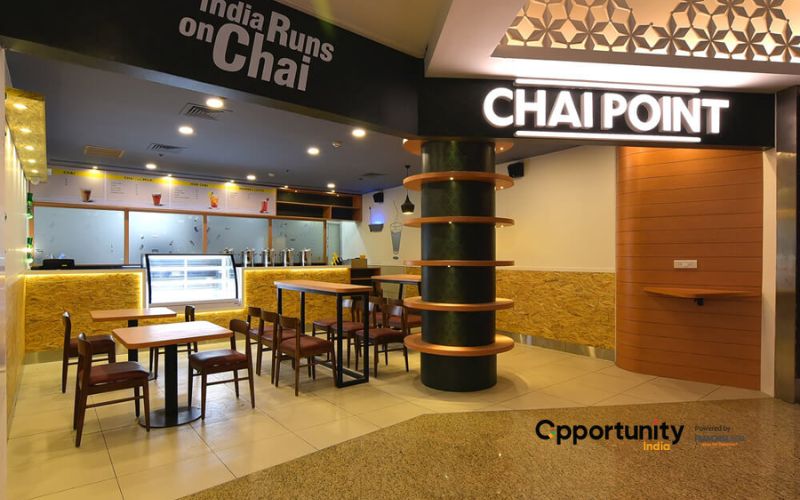
Began with a simple concept: modernize tea and make it easy. Now, it's a lifestyle brand with stores all over India, with quick delivery and a uniform experience.
2. Wow! Momo
Transformed a street food favorite into a pan-India chain. With hygienic stores, innovative flavors, and quick delivery, it's now a favorite fast-food brand in India.
3. Lenskart
Transformed eyewear purchasing with home trials, fashionable frames, and an effective internet presence. Now India's largest eyewear chain.
4. boAt
Developed affordable, trendy audio devices for Indian youth. With innovative designs and innovative marketing, it's now an elite electronics brand rivaling international players.
5. Sugar Cosmetics
Started by Vineeta Singh, Sugar provides bold, cruelty-free makeup products for Indian women. A top beauty brand with a high social media following and loyal patrons.
6. FabAlley
Founded by Suchi Mukherjee, FabAlley offers fashion-forward, value-for-money fashion for young women. It expanded quickly with online revenues and intelligent branding.
These companies did not just sell goods, these companies created experiences that Indian customers could identify with. Their achievement proves that made-in-India chains can be successful, profitable, and scalable.
Conclusion
Choosing a made-in-India franchise gives entrepreneurs more freedom, better profits, and a deeper connection with local customers. Unlike foreign brands, Indian franchises are built for our market, offer flexible business models, and reflect the values and tastes of Indian consumers. They come with lower costs, fewer restrictions and faster growth opportunities.
While American brands may have inspired many, today’s real potential lies in supporting and growing with Indian businesses. Investing in a local franchise isn’t just a smart financial move, it’s a way to build something meaningful, rooted in your vision, and proudly aligned with India’s future.
FAQ
1. Can I customize my store or menu with an Indian franchise?
In most cases, yes. Indian franchises tend to offer more freedom to adapt your outlet to local preferences. Whether it’s changing the decor, tweaking the menu, or running local promotions.
2. What about digital tools and tech support—are Indian franchises up to date?
Yes! Many Indian franchises now offer modern tools like POS systems, CRM platforms, and app-based ordering. They’re keeping pace with global tech trends while staying affordable.

