
 18
/ 2
Min Read



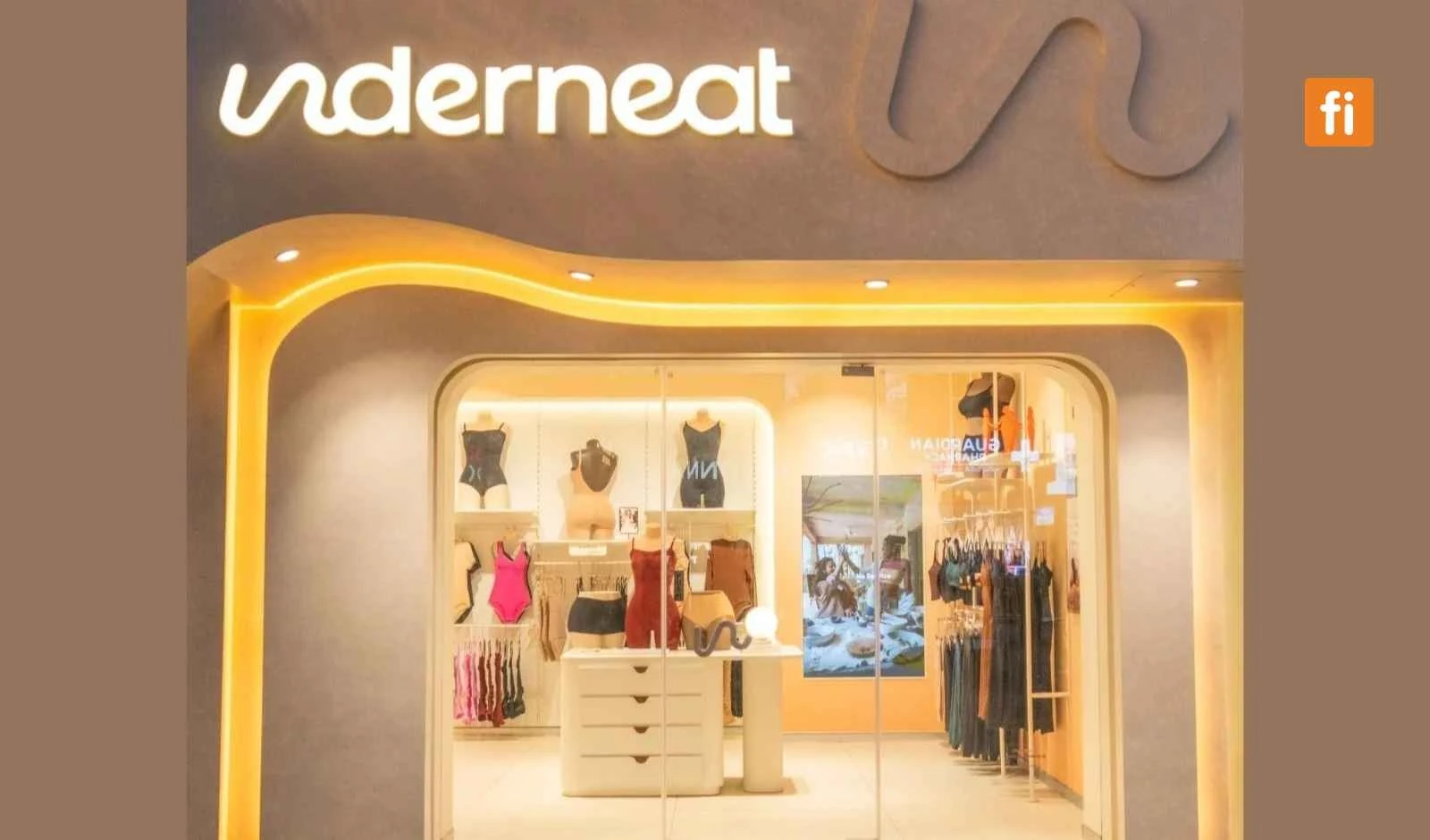
Underneat, the shapewear and innerwear brand co-founded by actor-entrepreneur Kusha Kapila, is stepping up its retail expansion with plans to open 10–20 stores next year as it builds an omnichannel business. The company is targeting Rs 2,000 crore in revenue over the next four to five years, supported by offline retail, marketplace partnerships and quick-commerce channels, as shared by company official.
The brand has already crossed Rs 250 crore in annual recurring revenue (ARR) in the first six months of its second year of operations, against its initial target of achieving Rs 100 crore ARR within three years.
The company has begun its offline retail journey with the soft launch of its first 1,000 sq. ft. experience store at Galleria Market in Gurugram. It plans to open another two to three outlets over the next few months, followed by 10–20 stores in the next calendar year.
The initial retail expansion will focus on NCR, followed by Bengaluru and Mumbai. Underneat plans to open larger experience centres before adding smaller 500–750 sq. ft. outlets. The company has earmarked Rs 4–5 crore for store-related capex, with its first 10–15 outlets following the company-owned and company-operated (COCO) model.
On the digital front, Underneat sells through its D2C platform and marketplaces such as Myntra, Nykaa and Amazon. While D2C contributes 50 per cent of revenue, the remaining share comes from marketplaces and other channels. Quick commerce accounts for 10–15 per cent, with the company targeting 15–20 per cent by the end of next year. It has also onboarded Myntra's M-Now platform.
Product innovation remains central to its strategy. Following consumer research involving 12,000–13,000 women, the company shortlisted 14 products from 50–60 initial concepts and variations. Its manufacturing partners are based in India, Vietnam, China, Laos and Sri Lanka, while it is exploring the introduction of specialised manufacturing technology in India.
Underneat is preparing for another funding round, with discussions underway with investment bankers. The proposed capital will support retail expansion, working capital, talent acquisition and technology.
The company reported a 5.5 per cent EBITDA margin last year and aims to maintain profitability as it scales. Its D2C average order value stands at around Rs 2,000, while its first offline store has recorded nearly twice that figure, based on initial data.