46
/ 2
Min Read



Page Industries, the Indian licensee of Jockey, is exploring locations for a new manufacturing facility with an estimated investment of up to ₹3 billion ($31.67 million), as it looks to expand production capacity and retail operations amid rising demand for branded apparel, a company executive shared in media reports.
The proposed plant is being considered across Karnataka, Odisha, Chhattisgarh and Telangana, according to Managing Director V. S. Ganesh. Construction is expected to take around 12 to 18 months once the location is finalised.
"That is in the blueprint stage," he said, adding Page also plans to start operations at two "satellite" facilities near its existing large plants in Odisha and Karnataka early in the next financial year.
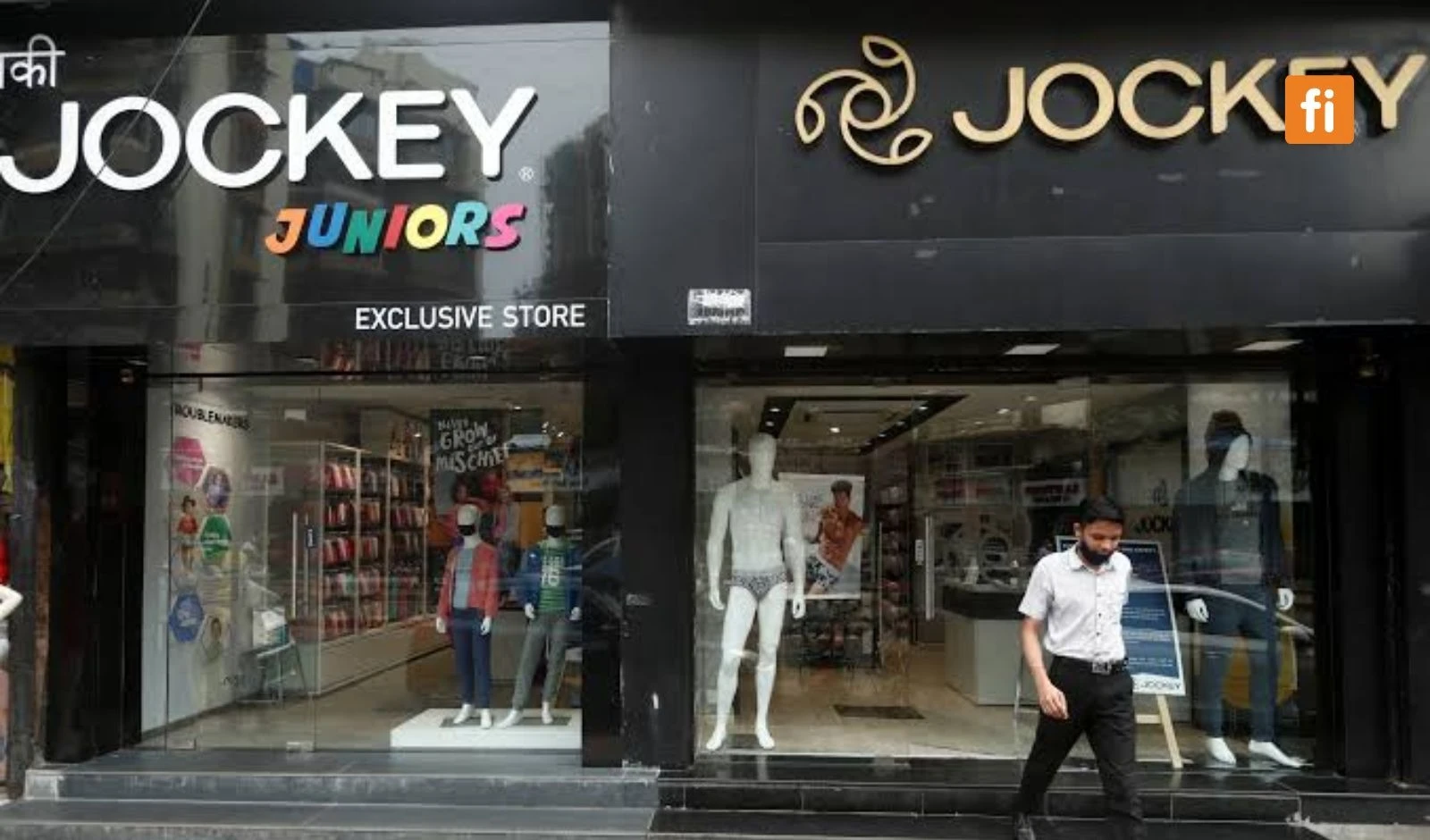
Page Industries currently operates 16 manufacturing facilities, according to information on its website. Alongside strengthening its production capabilities, the company plans to expand its retail footprint by opening around 125 to 150 stores annually over the next four to five years to tap rising demand for branded apparel.
The company is also witnessing increased traction across digital channels, which currently contribute approximately 16% to 17% of its overall sales.
"I won't be surprised in three to five years if we're in the 30s (percentage range). It has tripled in the last five years. It may double in the next five," Ganesh said.
However, cost pressures remain a key challenge as Page Industries pursues its expansion plans. Against the backdrop of inflationary pressures triggered by the Middle East conflict, the company is focusing on improving productivity, optimising sourcing and manufacturing processes, and enhancing supply chain efficiency. Rather than passing the entire cost burden on to consumers, Page is looking to manage expenses through operational improvements.
"If this is going to continue long-term, we may have to have some calibrated price interventions," Ganesh said.
The pricing strategy reflects broader cost challenges facing India’s apparel industry, with domestic brands and exporters dealing with higher labour, freight and petrochemical expenses that are putting pressure on profit margins.