



 3050
/ 9
Min Read
3050
/ 9
Min Read


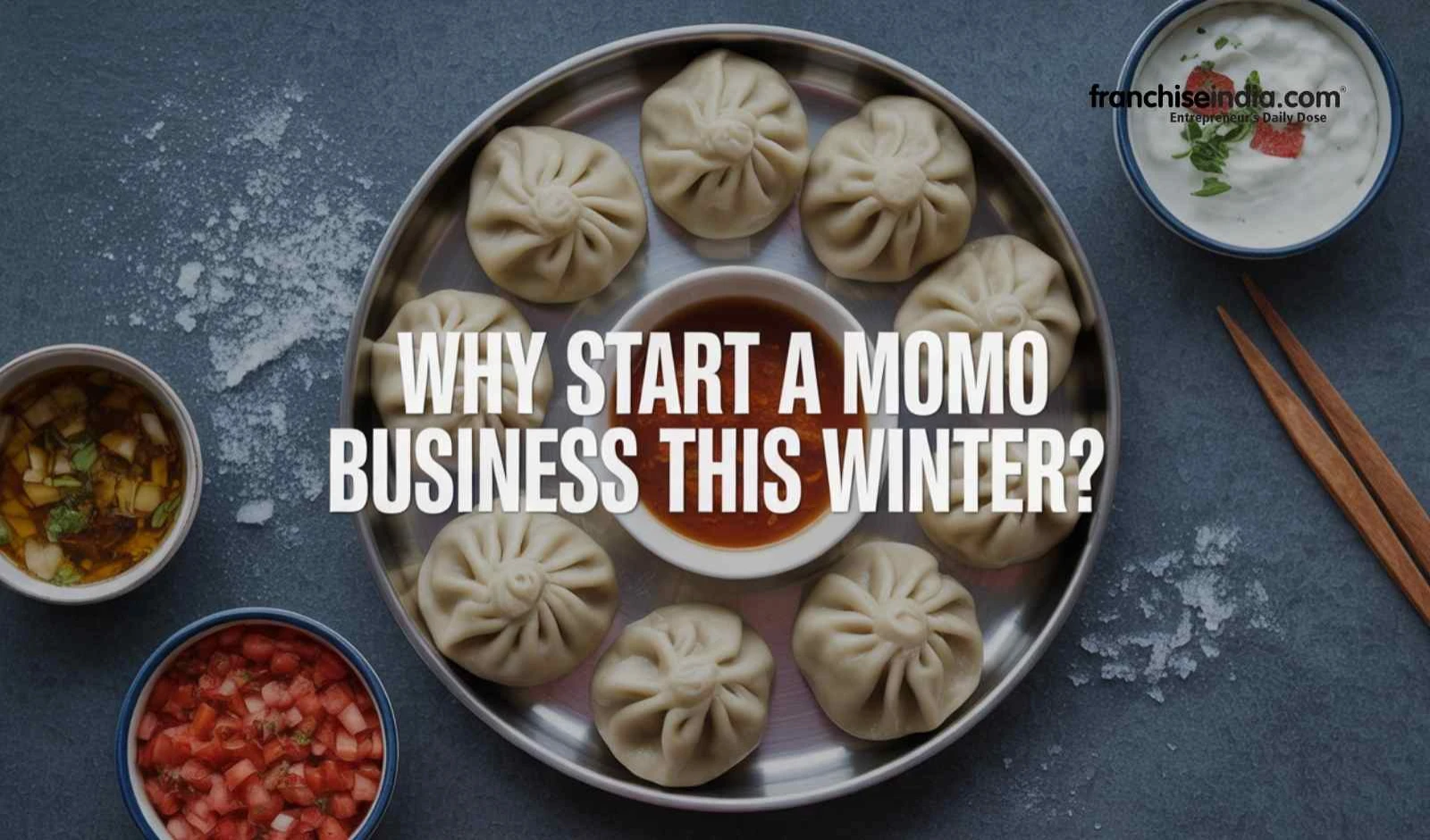
Starting a momo business this winter is a smart move because the season naturally boosts demand for hot, comforting, affordable street food. Cold weather just makes people want hot, steamy snacks—honestly, nothing beats biting into a fresh momo when it’s chilly out. This time of year, markets, weddings, fests, and evening hangouts are packed. You’ll see crowds everywhere, all looking for something quick, tasty, and affordable. Momos fit right in. And it’s not just street stalls—delivery orders pick up in winter too, which means cloud kitchens and takeout windows get busier without much extra effort. Overall, winter acts as a natural catalyst, reducing marketing effort, increasing daily sales, and helping new entrepreneurs establish a loyal customer base quickly. If you want a low-risk, high-demand food business, winter is the ideal season to start.
Also read: How to Start a Chocolate Business in India
Reasons Why You Should start a Momo Business
1) Why winter amplifies momo demand

Setting up a momo stall doesn’t cost much. The ingredients—dough, filling, and chutneys—are cheap, and momos are fast to prep. Even after paying for packaging, fuel, and staff, you still end up with a solid profit on every plate. If you’re in a non-metro city, you can keep prices reasonable and still see good margins, since the basics don’t eat up much of your earnings. With so many people out and about, daily sales rise, and it’s not hard to cover your rent or site fee, pay your team, and maybe even put a little into local marketing. A lot of new momo stalls manage to break even pretty fast, sometimes in just a few weeks.
2) Market opportunity & formats you can choose
.jpg)
Momos can be sold in multiple formats—pick one depending on budget, risk appetite, and ambition:
- Pushcart/street stall (lowest capex): Mobile steamer, gas cylinder, table—very small investment, fast to set up.
- Kiosk / small shop: Fixed location, higher visibility, seating optional.
- Cloud kitchen / delivery-first: No dine-in; focus on delivery platforms. Useful in residential/IT-corridor areas.
- Frozen momos/retail packs: Make and freeze; supply to kirana and supermarkets or e-commerce.
- Franchise/brand partnership: Buy into an organized brand or grow your own scalable outlet.
Each format has different rent, equipment, and staff needs. Small stalls have high margins but are limited by location; cloud kitchens scale with delivery demand; frozen retail requires cold chains and packaging.
3) Pricing, unit economics & sample P&L
.jpg)
In India, Momo prices are generally format-specific. Vendors circling the street generally have lower-cost eats, and cafes, fancy food places, will hit you with higher costs on specific dishes or combo plates. Retail-momo prices vary by brand, quantity, and placement. Generally, the consumer price ladder is the same through the segments countrywide.
A concessionaire of a minor momo cart situated in a non-metro district might seek middling rates with a fair profit margin considering the cost of raw materials like dough, stuffing, and chutneys is quite low. Excluding packaging, diesel, and other table costs, every table is likely to have a fair profit margin wrapped up in it. Seasonal upticks in daily sales come in winter when consumers are craving warm, just-steamed treats. Consistent client flow can generate monthly income sufficiently high to easily remunerate fundamental costs, including rental or site fees, remuneration of the staff, service charges, and basic known marketing. With proper handling, operators frequently realize a definitive profit following coverage of these expenses.
Because the initial investment for equipment and setup is relatively low, many small momo businesses achieve breakeven within a short period. Media reports and industry observations also highlight that several vendors in busy locations earn a dependable income, though exact results naturally depend on execution, location, and demand.
4) Critical operational tips for winter success
.jpg)
Running a successful momo stall in winter comes down to a few basics.
- Keep the momos fresh and steaming hot; reheated ones just don’t cut it.
- A good steamer is a must, and your staff needs to be quick on their feet, especially when things get busy.
- Combo deals—like momos with soup or chai—bump up the order size and keep customers happy. Cleanliness matters too.
- A neat, tidy stall and staff in gloves and caps make people trust you (and pay a bit more).
- Try out seasonal flavors, like tandoori or spicy winter specials, to keep your menu interesting.
- For delivery, make sure your packaging keeps food warm—no one wants cold momos.
And since winter brings crowds to festivals and night markets, plan your inventory so you never run out mid-rush. If you get the basics right, winter helps you build a loyal customer base fast, with less effort on marketing and more focus on serving great food. It’s one of the lowest-risk, highest-reward times to jump into the momo business.
Also read: How to Start a Food Processing Business in India
5) Licenses, compliance & safety
.jpg)
Starting a momo business requires a few essential licenses and safety measures. First up, you can’t skip FSSAI registration—it’s a must for any food business. Depending on where you’re setting up, the city might ask for a municipal shop license or a street-vending permit too. If you are running a kiosk model, then make sure you’ve got a working fire extinguisher and a safe gas setup. Once your sales pick up and cross the GST threshold, or if you’re dealing with B2B clients, you’ll need GST registration as well. Keep employee records handy, and make sure your staff knows the basics of food hygiene. The good news is these regulatory costs are usually pretty low, so staying compliant doesn’t break the bank—and it actually makes your business look more credible.
6) Marketing & growth: quick wins for winter
.jpg)
- When it comes to marketing, you want to stand out—especially in winter, when hot momos basically sell themselves. Put up clear signboards, and let the steam pour out from your stall to catch people’s eyes. Push your winter specials front and center on the menu.
- Don’t just wait for walk-ins; team up with local offices, colleges, nightclubs, or event guys for bulk orders and steady income. Get listed on Swiggy or Zomato to reach more people, but be smart with discounts so you don’t eat into your profits. Locally, a WhatsApp broadcast list or posting in neighborhood groups can work wonders—share daily deals, late-night hours, or new flavors to keep regulars coming back.
- And don’t skip weekend markets or food festivals. These events are packed with folks looking for something hot and quick, which is basically your target. Mixing strong street presence with online buzz keeps the crowd coming and builds your brand.
7) Risks & mitigations
.jpg)
Starting a momo business comes with a few important risks to manage. Location matters—a killer menu won’t save you in a dead spot. You must test your concept at pop-ups or events first, or lean on delivery until you find the right spot. Since there’s loads of competition, hygiene, unique flavors, cool combos, and reliable delivery really help you stand out. Winter’s your best season, but don’t let the slow months catch you off guard—think about frozen momos or catering to keep money coming in. And whatever you do, nail the basics: soft dough, tasty filling, and perfect steaming. Consistency keeps people coming back, even after the winter rush fades.
8) Scale paths & exit options
.jpg)
A momo business offers strong scalability once the initial setup is stable. You can open more stalls in nearby neighborhoods, spreading the word as you go. Or try cloud kitchens to reach more delivery zones without paying for expensive storefronts. Some folks even go into frozen momos for supermarkets or online sales, but you’ll need good branding, solid packaging, and a reliable cold chain for that. If you’ve got your systems down and things run smoothly, franchising is a smart way to grow fast without needing as much capital. As your business matures and your numbers look good, you might even sell the whole operation to a local investor or a bigger food brand. Just look at Wow! Momo—they’ve shown that this market really has legs and catches the eye of serious investors.
Is it worth starting this winter?
Starting a momo business in winter can be highly rewarding if you focus on three essentials: choosing the right location, maintaining consistent quality, and managing operations efficiently. Winter gives you a natural boost—people crave something hot, so you’ll see more foot traffic and delivery orders. The upfront investment isn’t huge, and a lot of new stalls earn back what they spent within a few months if they hit the winter sweet spot. The momo scene in India is already buzzing, with both big chains and local sellers doing well. There’s space for cheap eats and fancier options alike. So if you pick a clear business model, keep things efficient, and launch with a winter-first mindset, you can build something profitable and scalable. Winter’s basically your launchpad—it gives you momentum and helps you win loyal fans fast.
You might also like: 15 Profitable Business Ideas to Start in Odisha in 2026

