


 956
/ 7
Min Read
956
/ 7
Min Read


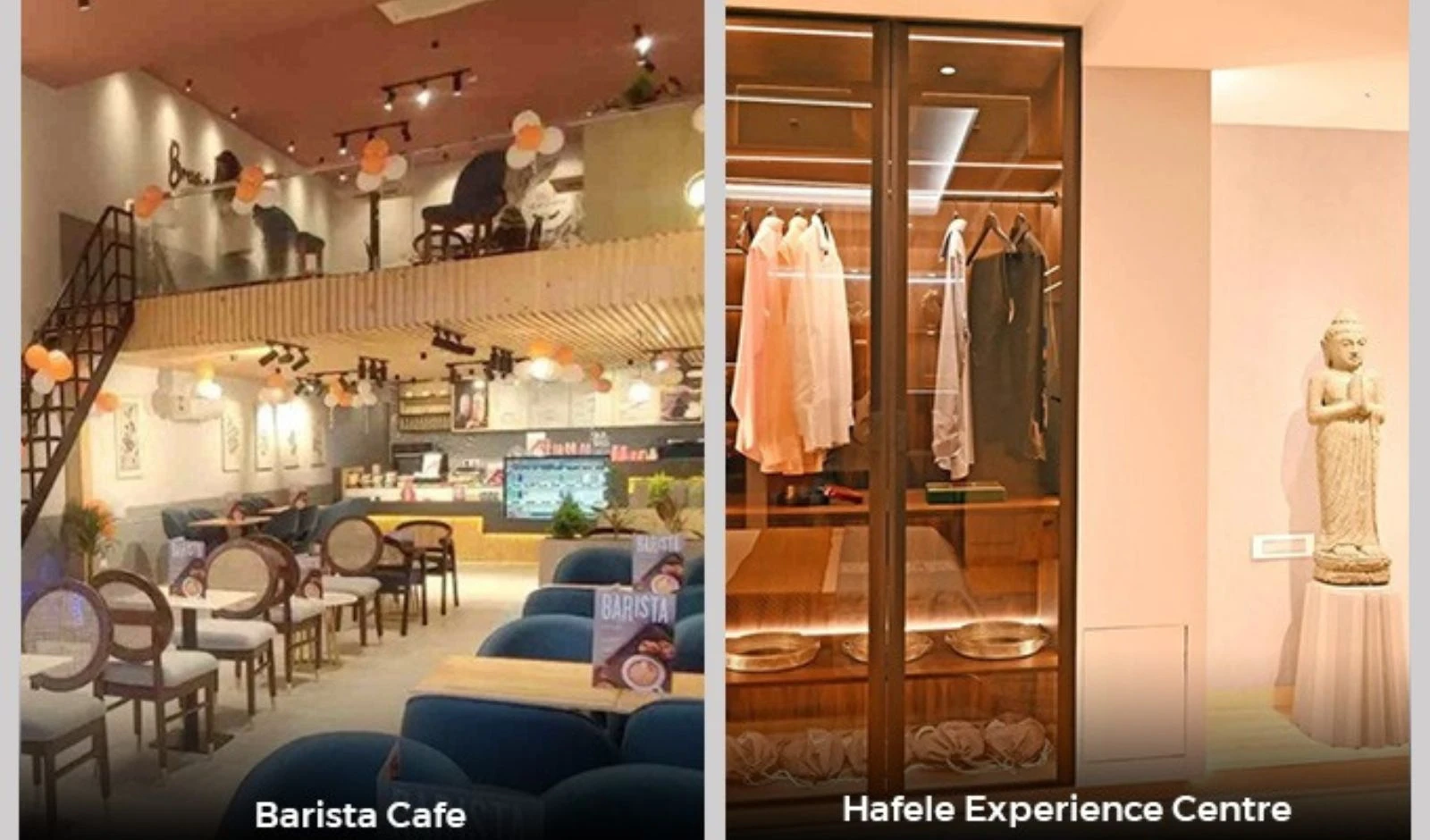
Walk into any modern experience centre today and the shift is so evident. The air feels calmer, the lighting intentional, and every display is thoughtfully curated rather than cluttered. It no longer resembles the traditional retail formats that defined India for decades. These spaces don’t shout for attention rather they invite discovery. And that quiet invitation has become the new language of global retail. From furniture studios to cafés and fitness hubs, the new retail narrative is being shaped not by square feet, but by the experiences woven into every corner.
Across India and the world, brands are dramatically rethinking the role of the physical store. The old playbook—maximise square footage, stock every SKU, and drive footfall through heavy inventory—has been replaced by a new one: stay compact, stay experiential, stay memorable. From furniture and lighting brands to cafés and fitness chains, the trend is unmistakable. The future of retail is not about being the biggest—it's about being the most meaningful.
Why Retail Is Slimming Down but Expanding Emotionally
This transformation is the result of three converging forces reshaping how consumers interact with products and spaces.
- E-commerce is the first driver.India now has more than 220 million online shoppers, and digital influence is expected to touch nearly one in three retail transactions by 2027. Once customers realized they could buy anything with a click, the physical store had to evolve into something e-commerce could never be: a place for sensory, emotional connection. And retailers are responding by turning showrooms into spaces where customers feel, touch, imagine—and fall in love—even if the final purchase happens online.
- The second force is the cost of commercial real estate, particularly in India’s top cities. Rents in Mumbai, Delhi, and Bengaluru have risen between 18–22% since 2021, making large-format stores costlier to maintain. With this pressure, retailers are asking a simple question: why maintain 10,000 square feet of stock when 2,000 square feet of story can achieve more? The asset-light model doesn’t just cut costs—it elevates the purpose of the physical space.
- The third and most powerful force is the rise of the experience economy. A 2024 Deloittconsumer insights study found that nearly 80% of urban Indian shoppers prefer spending on experiences rather than possessions. This shift is particularly strong among millennial and Gen Z consumers who view shopping as a journey, not a transaction. They seek spaces that stimulate, comfort, and inspire—spaces that feel like extensions of their lifestyle.
Together, these forces are reshaping the physical footprint of retail across categories.
How the Store Is Being Rebuilt for the Future
From home solutions to fitness and cafés, the asset-light philosophy is shaping a new generation of experience-driven spaces.
Consider the home and interiors segment, which has been one of India’s fastest adopters of this model. Häfele’s Lighting Centre in Ahmedabad and Licht Centre in Chandigarh reimagine retail as storytelling—immersive, tactile, and atmospheric. Instead of aisles of products, customers find life-sized vignettes and sensory setups that show how lighting, furniture, and hardware work together. Similarly, Hettich’s designer-led studios invite visitors to interact with hardware innovations through guided experiences, not inventory.
Godrej Interio’s flagship store in Mumbai takes the idea further. At 22,000 square feet, it is large—but more as a destination than a traditional showroom. It includes a mangrove-inspired café, collaborative design studios, and interactive spaces where customers can sketch, sample materials, and map out their dream rooms. The store is less about showcasing furniture and more about showcasing possibilities.
Urban Ladder’s Bengaluru experience centre feels like stepping into a thoughtfully designed home. Visitors wander through curated living rooms, bedrooms, dining setups—imagining a lifestyle rather than browsing a product list. The actual buying is seamless and largely digital, with the store acting as an emotional catalyst rather than a transaction hub.
Beyond home and lifestyle, cafés in India are transforming into community spaces. Rajiv Khurana, AVP at Barista Coffee, frames it perfectly, “Today’s consumers see cafés as extensions of their lifestyle… People come not just for coffee, but for connection—and that’s the future of the café experience.” This shift is backed by behaviour. In major metros, café footfall tied to co-working, meetups, and creative events has grown 40% year-on-year, revealing a clear desire for hybrid social spaces.
The fitness sector is witnessing a parallel reinvention. Once defined by machines and memberships, gyms today are positioning themselves as wellness hubs—places that combine community, emotional support, technology, and lifestyle. Anytime Fitness India exemplifies this transition. As Vikas Jain, MD, puts it, “People today are seeking more than a gym; they want a space that supports their overall well-being, fosters community, and fits seamlessly into their lifestyle… Each of our gyms is designed to be a wellness social hub, where friendships form, accountability grows, and healthy habits thrive.”
With India’s health and wellness industry projected to reach $13 billion by 2027, this shift toward emotionally rich, asset-light formats is only accelerating.
The Asset-Light Equation: How Less Becomes More
“Asset-light” doesn’t mean sparse; it means strategic. It’s a design and business philosophy focused on maximizing meaning rather than maximizing square feet.
Retailers are increasingly relying on curated inventory that highlights only the best and most relevant products, while creating omnichannel journeys that connect in-store inspiration with digital convenience. They are designing modular, multi-use layouts that can host workshops, community events, and design consultations, supported by technology-led experiences such as AR and VR visualization tools. To deepen engagement, many retailers are also incorporating community-led programming that brings people in for reasons beyond shopping, transforming stores into dynamic, multifunctional destinations.
The impact is measurable. Brands adopting experience-first formats are seeing higher dwell time—often 20–40% longer—and increased repeat visits, particularly among younger consumers. These formats also drive up to 25–40% stronger brand recall and reduce operating costs through leaner inventory and smaller footprints. In many cases, revenue per square foot stays the same or even increases despite the reduced physical space, demonstrating the efficiency and effectiveness of this approach.
India’s retail market is projected to reach nearly $2 trillion by 2030 as per a Deloitte-FICCI report, driven by a growing middle class, urbanisation, and the blending of physical and digital commerce. With competition intensifying, differentiation can no longer rely on price or product alone. It must come from experience, engagement, and emotional connection.
But the experience-driven model comes with challenges. Designing immersive spaces carries higher upfront costs, and brands must ensure that experiences feel authentic, not gimmicky. Overly staged Instagram backdrops can lose credibility if they overshadow the product or the purpose. And online-offline integration must be seamless for emotion to convert into purchase.
A More Human Future for Retail
After years of digital acceleration, consumers crave tangible experiences. And Häfele’s lounges, Godrej Interio’s destination stores, Urban Ladder’s immersive studios, Barista’s community cafés, and Anytime Fitness’s wellness hubs show how smaller footprints can create bigger emotional landscapes.
Retail isn't dying. It’s evolving. And the store of the future won’t be defined by its size—it will be defined by its essence.

