


 3932
/ 11
Min Read
3932
/ 11
Min Read


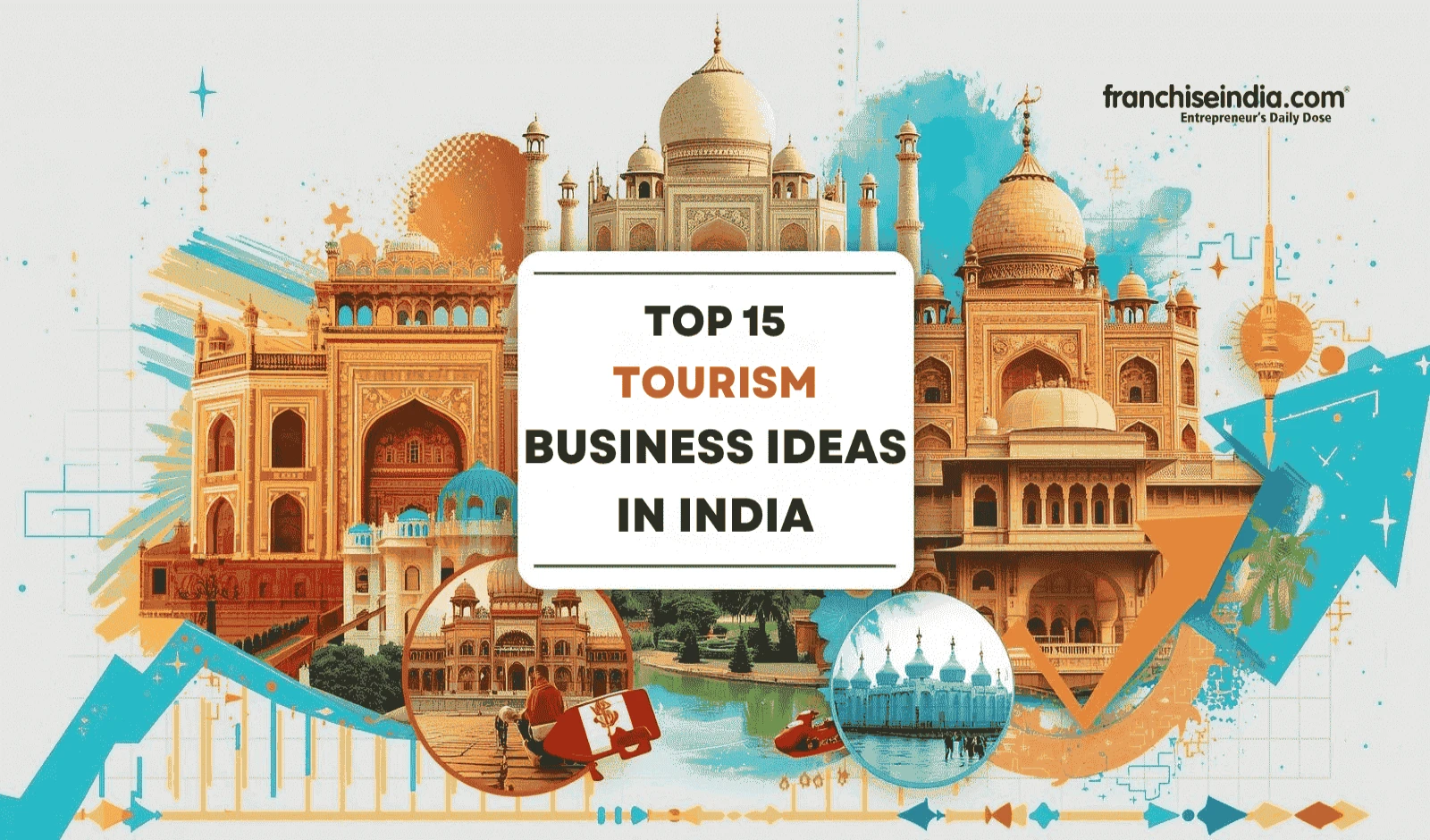
From the mountains of Ladakh to the beaches of Goa, and from the bustling old cities to the quietest villages, Indians are hitting the road. And they're not looking for the same old, boring package tours. They're craving real, personal, and unforgettable experiences. That’s where you come in. This isn't about becoming just another travel agent. We're talking about building something that fits your passion.
Are you the adventurer who knows the best hidden trails? The foodie who can lead a tour through the best street food stalls? The organiser who can plan a perfect, stress-free corporate retreat? Then this article is for you.
I've put together a list of 15 real business ideas that tap directly into this new wave of travel. We'll look at everything from the practical side, like how much money you might need to start, to how to turn what you love into what you do. Read till the end to know your great fit.
Also Read: Investment opportunity in travel & tourism industry
1. The Adventure Curator
.png)
You're the person who makes heart-pounding dreams come true. Think organizing treks in Himachal, white-water rafting in Rishikesh, or scuba diving trips to the Andamans. The youth market is massive.
Investment Needed:
Low Start: ₹50,000 - ₹2 lakh. Start as a freelance guide using rented equipment. Your main cost is certifications (like from the IMF for trekking) and marketing.
Full Setup: ₹5 lakh - ₹15 lakh+. For your own equipment (kayaks, tents, safety gear), a dedicated vehicle, and an office.
How to Start:
Get certified in your chosen adventure sport. Start by organizing small, low-cost trips for friends and friends-of-friends. Build a killer Instagram page showcasing the experiences you create.
2. The Eco-Friendly Stay Host
.png)
You create a beautiful, sustainable place for travelers to unwind. Think bamboo cottages, treehouses, or restored village homes that run on solar power and serve organic food.
Travelers are becoming more conscious. They want to enjoy nature without destroying it, and they're willing to pay for that peace of mind.
Investment Needed:
Small Homestay: ₹5 lakh - ₹20 lakh. This depends heavily on land cost and construction. Renovating an existing property is cheaper.
Luxury Eco-Resort: ₹50 lakh+ (the sky's the limit).
How to Start:
Don't go all in at once. Start with a single room in your own home or a small property on family land. List it on Airbnb and Homestay.com to test the market and get initial cash flow.
3. The Local Storyteller (Walking Tours)
.png)
You're the expert on your city's hidden secrets. You lead small groups through old neighborhoods, focusing on food, history, or street art. People are tired of generic bus tours. They crave the real, local stories that only someone like you can tell.
Investment Needed:
As low as ₹5,000 - ₹50,000. Your main costs are liability insurance, a good website, and some marketing flyers.
How to Start:
Design one fantastic tour route in your city. Practice it with friends for free. Create a simple Instagram and Facebook page. Use platforms like Airbnb Experiences or Viator to get your first customers.
4. The Homestay & Guesthouse Matchmaker
.png)
You don't necessarily own the properties. You curate a network of the best, most authentic homestays and boutique guesthouses in a region and help market them.
Owners are often great at hospitality but terrible at online marketing. You solve that problem.
Investment Needed:
₹1 lakh - ₹5 lakh. This covers a good website, professional photography for the properties, and initial digital marketing.
How to Start:
Partner with 3-5 great homestays in your favorite hill station or beach town. Offer to manage their online listings for a commission. Prove your value, then expand.
5. The Niche Travel Specialist

You don't do everything. You do one thing incredibly well. This could be:
Medical Tourism: Helping international patients access Indian hospitals.
Wedding Tourism: Planning dream destination weddings for NRIs.
Yoga & Wellness Retreats: Curating week-long packages in Rishikesh or Goa.
When you're the specialist, you can charge premium prices because you offer expert knowledge.
Investment Needed:
₹2 lakh - ₹10 lakh. This covers building a professional B2B network, traveling to build partnerships, and a high-end website.
How to Start:
Pick your niche based on your own network or passion. For example, if you have a doctor in the family, medical tourism is a natural fit. Start by facilitating just one client perfectly to build a case study.
Also Read: Here are Five Travel and Tourism Related Franchises to Invest in
6. The Rural Experience Creator

You connect city dwellers with the simplicity and beauty of village life. Tourists get to do farming, cook local food, and listen to folk stories.
It’s a powerful antidote to hectic urban life and offers a unique, educational experience.
Investment Needed:
₹3 lakh - ₹15 lakh. This is for renovating/creating basic but clean accommodations, building relationships with the village, and transport.
How to Start:
Partner with a single village that has a compelling story (e.g., a pottery or weaving village). Start with day trips before moving to overnight stays.
7. The Wildlife & Photography Guide
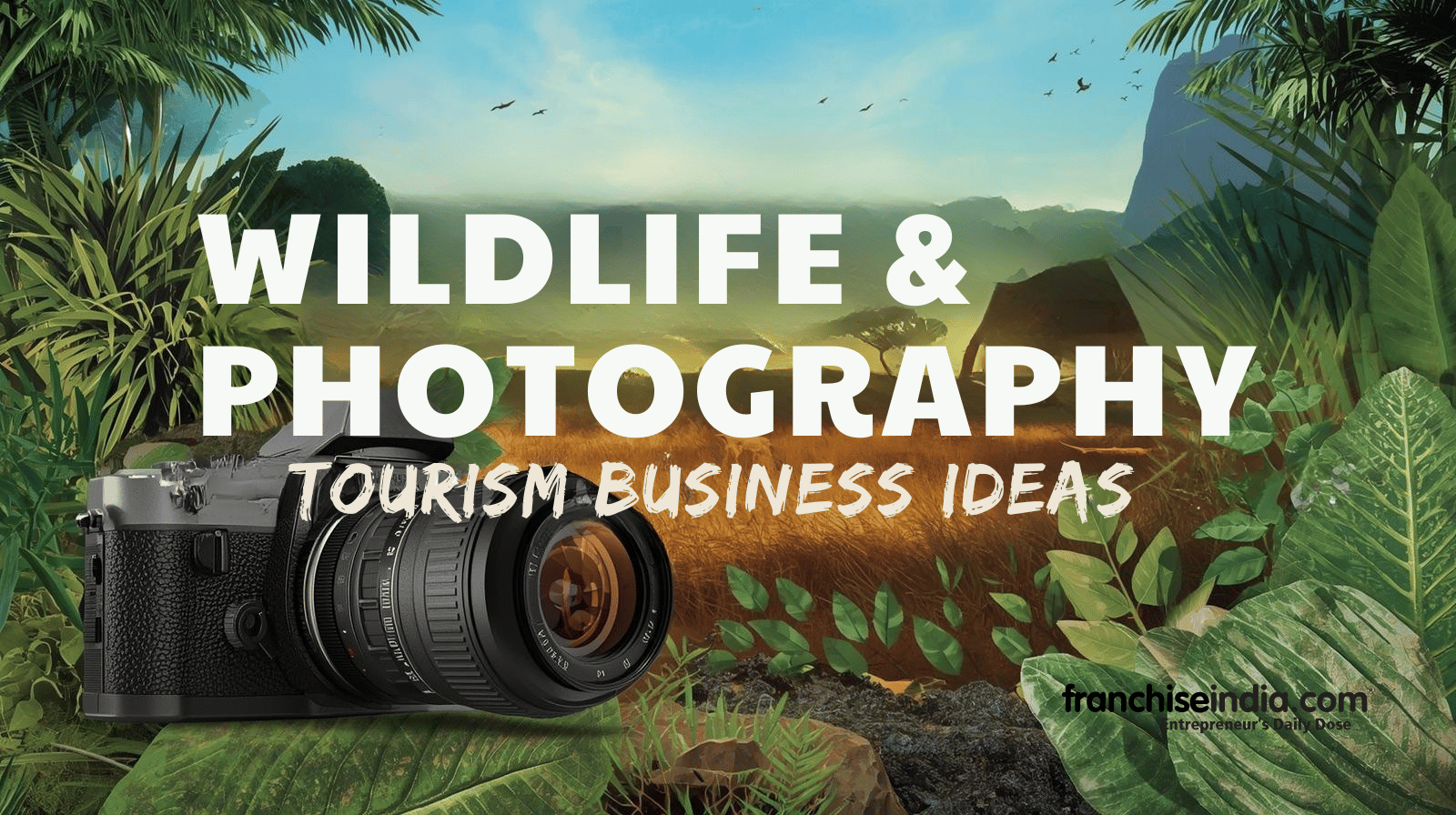
You're not just a safari booker. You're the person who knows the best spots in a national park for that perfect tiger photo or bird sighting. Wildlife tourism is huge, and photography enthusiasts are a dedicated and willing-to-spend crowd.
Investment Needed:
₹5 lakh - ₹20 lakh+. This includes a safari vehicle, camera equipment for rentals, and crucial relationships with forest lodges and departments.
How to Start:
Become a certified naturalist. Start by assisting established tour operators to learn the ropes and build your reputation in the wildlife community.
8. The Pilgrimage Facilitator
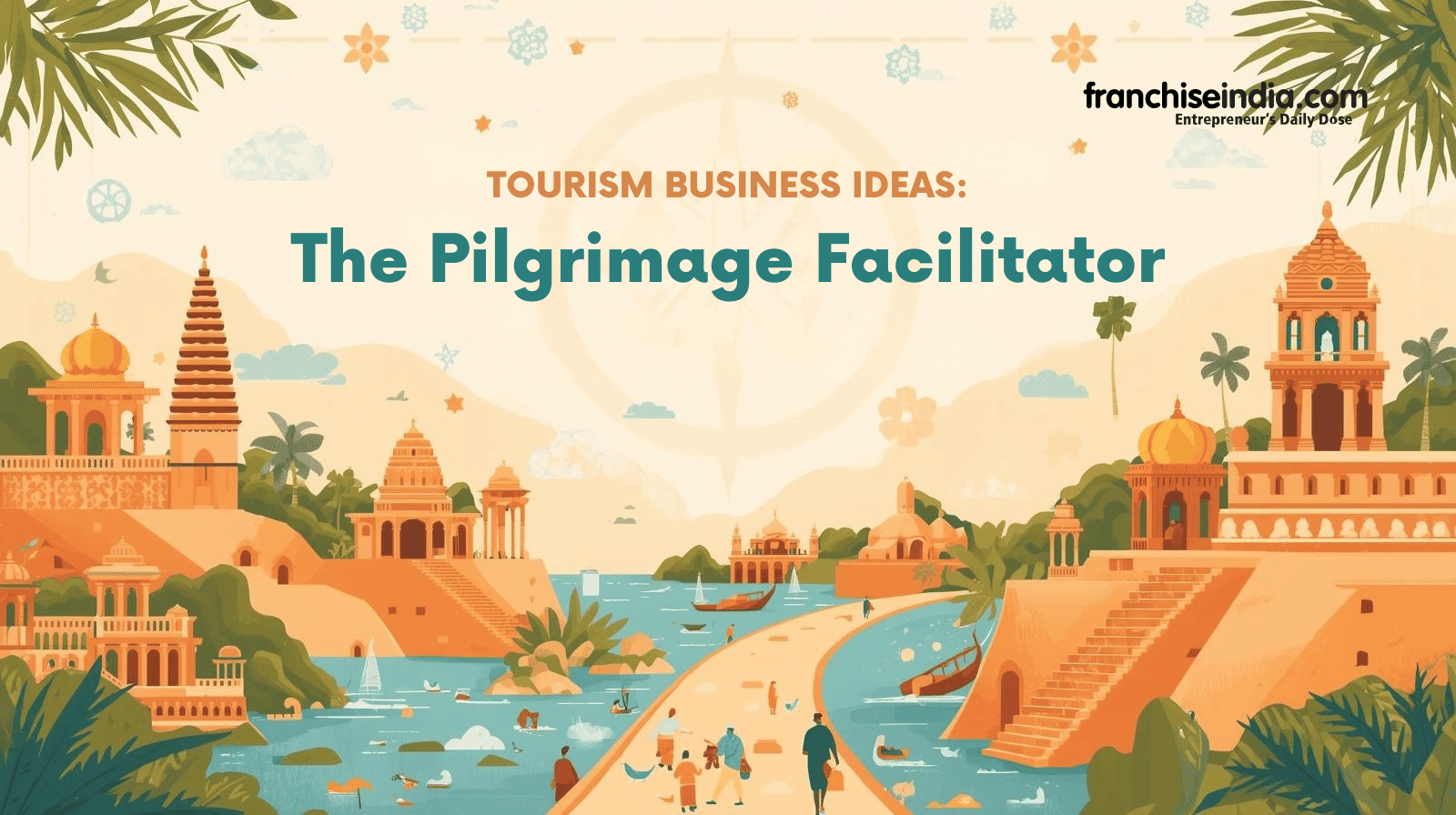
You help pilgrims have a smooth, spiritually fulfilling journey to places like Char Dham, Varanasi, or Shirdi. You handle travel, lodging, and ritual arrangements.
This market is massive and year-round. Trust is everything here.
Investment Needed:
₹2 lakh - ₹10 lakh. This is for building a robust logistics network, advance bookings with hotels, and marketing within community groups.
How to Start:
Start small with organizing a bus for a single pilgrimage for your local community. Your reputation for reliability will be your best marketing.
9. The Luxury Camping (Glamping) Pro
.png)
You offer the adventure of camping with the comforts of a hotel. Think beautiful tents with proper beds and private bathrooms in stunning locations like the desert or a private beach.
It’s the perfect "Instagrammable" experience that appeals to couples and luxury seekers.
Investment Needed:
₹7lakh - ₹25 lakh per site. High-quality glamping tents and amenities (like portable bathrooms and a kitchen setup) are expensive.
How to Start:
Test the concept by setting up a single tent on a leased piece of land for a season. Pop-up glamping is a great way to validate demand before a huge investment.
10. The Food Tour Connoisseur

You take people on a culinary walk through the best street food stalls and hidden local eateries they'd never find on their own. Let's be real, for many of us, food is the main reason to travel.
Investment Needed:
As low as ₹20,000 - ₹1 lakh. Your main cost is tasting a lot of food (the best part!) and liability insurance.
How to Start:
Map out your perfect food walk. Negotiate a small commission with the vendors you include. Start by offering the tour to hotel guests through a partnership with a local hotel manager.
Also Read: Top 10 profitable business ideas in Uttarakhand
11. The Road Trip Architect
.png)
You design and lead epic road journeys on iconic routes. You provide the bikes (like Royal Enfields) or 4x4 vehicles, a support van, a mechanic, and pre-booked stays at the coolest pit stops.
Investment Needed:
Starting as a Broker: ₹50,000 - ₹2 lakhs (low risk).
Full-Fledged Operator: ₹8 lakhs - ₹20 lakhs. This covers purchasing 3-4 motorcycles, a support vehicle, safety gear, and marketing.
How to Start:
Document your own road trip on social media to build an audience. Then, partner with a trusted bike rental company in Manali or Ladakh to offer your curated itinerary as an add-on. Your first trip can be you leading the group using partner bikes.
12. The Souvenir Curator (E-Commerce Focus)
.png)
You move beyond the cheap trinkets sold at tourist spots. You source authentic, high-quality handicrafts directly from artisans across India and sell them through a beautiful online store.
Tourists and NRIs are desperate for genuine, ethical souvenirs.
Investment Needed:
- Initial Phase: ₹50,000 - ₹3 lakh. Covers initial inventory from 2-3 artisan clusters, professional product photography, and setting up a Shopify/Instagram store.
- Scaling Up:
₹5 lakh+ for a larger inventory, a small warehouse, and robust digital marketing.
How to Start:
Identify one craft you love (e.g., block print textiles from Rajasthan, black pottery from Nizamabad). Travel to the source, build relationships with 2-3 artisans, and start small. Sell at local pop-up markets and on Instagram to validate your products.
13. The MICE & Corporate Retreat Planner
.png)
MICE stands for Meetings, Incentives, Conferences, and Exhibitions. You specialize in organizing off-site company meetings, team-building retreats, and corporate conferences at unique destinations.
You design these experiences in unique locations, taking the logistics off their hands.
Investment Needed:
₹3 lakh - ₹10 lakh. This isn't for inventory but for credibility: a professional office, a high-end website, a small team for sales and operations, and initial networking costs.
How to Start:
Leverage your past corporate experience. Start by offering a single, well-defined package (e.g., "A 3-Day Team-Building Retreat in Coorg") to SMEs (small and medium enterprises). Your first client could be your previous employer or a friend's company.
14. The Accessible Travel Consultant
.png)
This is a deeply meaningful venture. You plan seamless trips for travelers with disabilities or elderly clients, vetting hotels for true accessibility and arranging suitable transport. Partner with advocacy groups to truly understand the needs. Start by creating a detailed, accessible guide for just one city. This focused expertise will make you the go-to person.
Investment Needed:
Primarily ₹1 lakh - ₹5 lakh. The investment is in deep, on-the-ground research (traveling to audit hotels and sites), building a network of accessible service providers, and targeted marketing to relevant communities and NGOs.
How to Start:
Partner with a disability advocacy group to understand the core challenges. Meticulously research and create a guide for one single city (e.g., "An Accessible Guide to Goa"). Offer your consultancy services based on this expert knowledge.
15. The Voluntourism Coordinator
.png)
Connect travelers who want to give back with legitimate, ethical projects. You ensure the experience is rewarding for both the volunteer and the community. Identify one or two NGOs you genuinely trust. Begin by promoting their needs and organizing a single, short-term trip yourself. Radical transparency is your foundation for building trust.
Investment Needed:
₹2 lakh - ₹8 lakh. This covers the cost of building partnerships with NGOs, thorough background checks, a robust website, and initial marketing to universities and gap-year platforms.
How to Start:
Identify 1-2 NGOs you deeply trust and believe in. Start by promoting their volunteer needs on your platform for a small fee. Organize a single, short-term volunteer trip yourself to understand the logistics before scaling. Transparency about where the money goes is your biggest selling point.
Also Read: 7 Eco-friendly business ideas in India
Your First 5 Steps to Starting
Talk to Your Future Customers. Before you spend a single rupee, go out and talk to people. Ask them: "If you were visiting Kerala, what's the one thing you'd want to do that isn't in a guidebook?".
- Start as a "Side Hustle." Don't quit your job on day one. Start your walking tours on weekends. Manage one homestay listing in the evening. This reduces your risk and lets you test the waters.
- Build Your Home Base Online. You don't need a fancy website immediately. But you must have an Instagram account and a Facebook page. Post engaging content daily. Show people the experience, don't just tell them about it.
- Get Your Legal Ducks in a Row. Once you see some initial traction, register as a Sole Proprietor or Private Limited company. Get a GST number if needed. This makes you legitimate and helps you open a business bank account.
The most important step is the first one. Stop dreaming about it and start building it. Your future self, sipping chai while looking at the Himalayas from your own eco-resort, will thank you for it.
You might also like: 7 Profitable Business Ideas in Goa

