



 6788
/ 9
Min Read
6788
/ 9
Min Read


The artificial jewelry market in India has grown quite a lot in the past 10 years. People of all ages are now looking for cool, cheap jewellery for everyday wear, work, and even parties. Lots of people like switching up their style without spending a lot on real gold or silver, which is why this market has spread everywhere, from cities, small towns, and online shops.
A trend toward fashion accessories has pushed big companies and small creators to launch fresh designs every season. Artificial jewelry gives you variety, keeps up with trends fast, and is reasonably priced. This makes it a hit with people who love playing around with color, shape, and style.
This boom has also made way for sellers working from home, online stores, and people who design or make their own stuff. Even a small collection can be in demand through social media, local events, or special websites. If you plan it right, the artificial jewelry market can be a good business for you.
Also read: How to Start a Dosa Cafe Business in India
Understanding the Indian Artificial Jewelry Market
Key buyer groups and their preferences
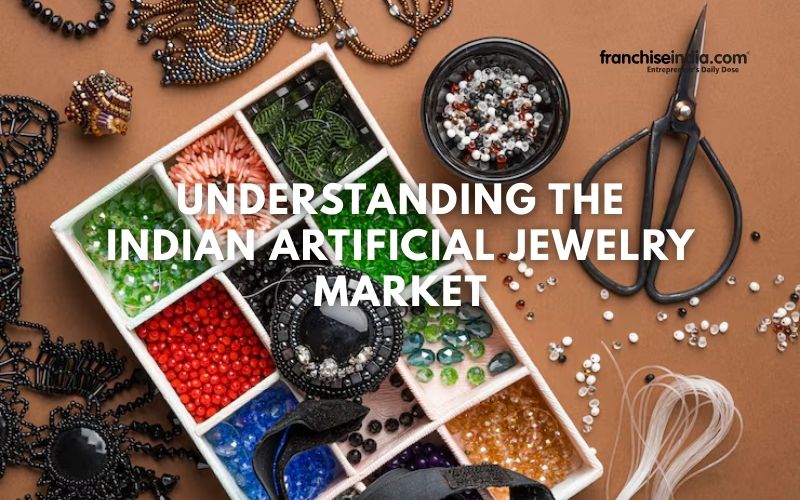
India has a varied market base for artificial jewellery. College students favor modern, lightweight styles (like studs and hoops), and young professionals like layered necklaces and bracelets. And their tastes change frequently: They want options that are affordable and trendy. Working women tend to prefer more sophisticated styles for office wear, from simple gold-finish sets to chic oxidized ones. Temple, kundan and jadau-inspired jewelry continues to be a favorite among bridal and festive buyers for jewellers.
Trends shaping the industry
Trends change quickly in this business. Big earrings, handmade silver-look designs, custom pendants, layered necklaces, and boho pieces are still big sellers. Lots of shoppers also want metal that won't cause allergies, stainless steel, and light stuff that feels good to wear all day. Keeping up with what's going on by checking out the market, browsing online, and doing short surveys can help you decide what to sell.
Seasonal and festival-driven demand
Sales peak during times like Diwali, Eid, Navratri, the wedding season, and when colleges have festivals. Around those times, people tend to buy matching sets to go with what they're wearing. Shops and designers usually get ready with new stuff ahead of time, keeping in mind what colors and styles people like for those events. Planning when things get busy helps make sure sales go well, and you don't end up with too much or too little of anything.
How to Start the Business: Step-by-Step Process
Step 1: Decide whether to create or source products
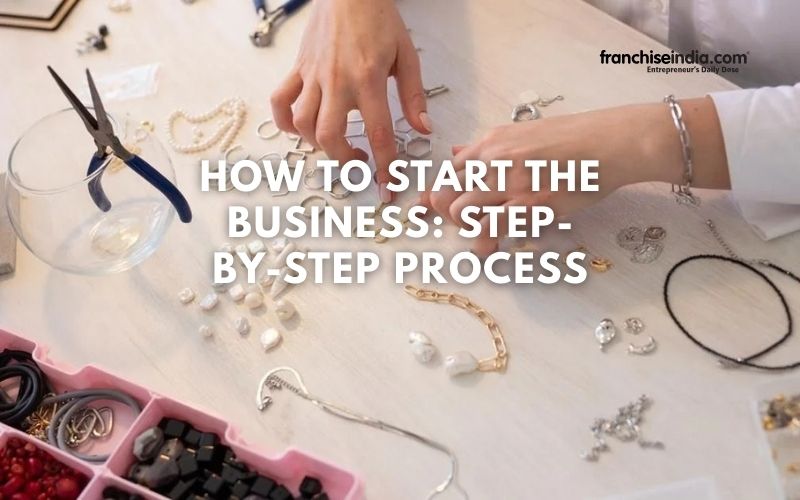
You can either craft your own jewelry or buy it from suppliers. Both ways have their upsides. If you create your own stuff, you get to control the design, quality, and how different it is. You can play around with beads, wires, clay, metal, or fabric. If you're just starting, you can use basic tools and get fancier as you get better. Meanwhile, buying ready-made stuff saves time and lets you buy in bulk. Lots of sellers do both to have a wider selection.
Step 2: Study the market and choose your niche
Picking a niche to focus on helps you create a unique brand. You might go for oxidized jewelry, simple pieces, pearl sets, kundan-style designs, resin jewelry, clay earrings, or Western accessories. Knowing who your customers and rivals are will help you figure out what focus makes sense and will bring in money.
Step 3: Build a product collection
Start with a small, thought-out selection. A good starter collection could have earrings, small pendants, bracelets, and a few standout items. If you're making things yourself, make sure to practice each design so they're all the same. If you're buying products, look at each sample before you order a bunch.
Step 4: Create a simple brand identity
Come up with a business name, logo, and packaging that people trust. Good packaging keeps things safe and makes customers feel good, and it doesn't have to be expensive! Simple boxes or envelopes can do the trick.
Step 5: Decide how you will sell
Try selling on Instagram, WhatsApp, Facebook groups, at local shows, or on websites like Etsy. Lots of sellers start with social media since it's cheap. As you get more orders, you can move to bigger sites.
Step 6: Legal and operational steps
Once you're getting orders all the time, register your business. Get a GST number if you need one. Keep track of what you buy, spend, and sell. This will help you plan and pay your taxes.
Step 7: Set Up a Simple Workspace
To start, all you need is a small table with trays, boxes, and tools to keep things tidy. If you're crafting your own jewelry, make sure you have pliers, cutters, wires, beads, hooks, and polishing cloths on hand. Also, decent lighting is a must when you're working on those tiny details.
Also read: How to Start a Chutney and Pickle Business in India
Pricing Your Products
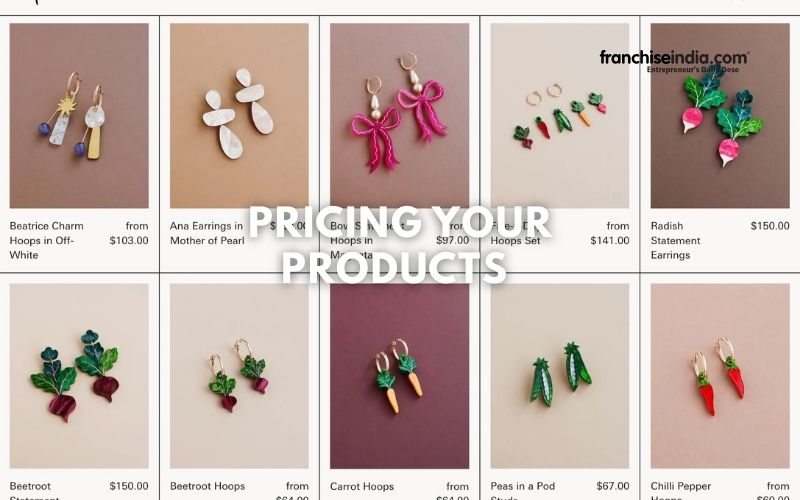
- Cost-Plus Pricing: Figure out how much your stuff costs (materials, tools, packaging, shipping). Then, add a bit extra for profit to get your price. If it's handmade, you can usually charge a bit more since it takes time and skill.
- Understanding Margins in this Industry: Margins change depending on what you sell. Simple earrings and bracelets might have lower margins, but fancy stuff like designer or wedding jewelry can be priced higher. If you buy your stuff in bulk, you usually get better margins.
- Discounts, Bundles, and Deals: During holidays, try small discounts or bundle deals to get folks buying. Put earrings with a bracelet, or offer a free gift bag – that makes it better. Give loyalty rewards to regulars to keep them coming back.
Inventory Management and Quality Assurance

- Stock rotation: Always try to sell your older stuff first. This keeps things fresh and ensures you're not stuck with items that have lost their lustre or gone out of style.
- Checking for Problems: Give everything a once-over before you pack it up. Make sure clasps, hooks, and stones are secure. Wipe down metal parts with a soft cloth to keep them shiny. If you sell handmade items, be sure resin is fully cured, and clay pieces are nice and smooth.
- Dealing with Popular and Unpopular Items: Keep an eye on what's selling like crazy and what's just sitting there. Restock popular styles ASAP. For items that aren't moving, try using new photos or changing how you market them. You could also try small discounts to get rid of them.
Marketing Strategies - Social Media Marketing: Good photos, quick videos, and fashion advice let people see what they're buying. Showing how a necklace matches an outfit, or how earrings look, can help people decide. Posting regularly gets you noticed.
- Working with Influencers: Smaller influencers get people to listen. It's good for handmade and special designs, since people believe in them.
- Local Events: You can meet buyers at local shows, fairs, and events. That will help you learn what they want and try fresh styles.
- Selling on WhatsApp: Lots of sellers who work from their homes use lists to send catalogues. This is good for friends, neighbours, and regular customers.
Also read: How to Start a Crochet Business?
Scaling Your Business

- Expanding product categories: Think hair clips, anklets, rings that fit any finger, or necklaces with names on them. Having more choices gets more people interested.
- Opening more locations or larger online operations: If you're getting too big for your kitchen table, maybe it's time for a small shop or studio. If you sell online, think about selling on bigger sites where more people will see your stuff.
- Export possibilities: People in other countries like Indian jewelry. If you can make enough stuff and have people you trust to get materials from, check out websites that help Indian sellers sell to people all over the world.
- Collaborations with designers or boutiques: Work with small shop owners, clothing designers, or people who plan parties. It gets your name out there. You could also make special jewelry for weddings or holidays – that's a good way for handmade sellers to get new business.
Challenges and How to Handle Them
- Changing Trends: Trends change fast. Keep up with what's hot by checking social media, what other stores are doing, and fashion sites.
- Competition from low-quality markets: Low-cost stuff might get people's attention at first, but it usually doesn't last 'cause it's not made well. Just keep your quality high and your brand clear to get noticed.
- Stock Problems and supplier delays: Have a few backup suppliers for stuff you need. Also, store your items carefully, so they don't get scratched or ruined.
- Managing customer expectations: Just be upfront about what your stuff is made of, also with sizes and colours. If you're clear, people won't get confused.
The artificial jewelry business can be a great long-term thing for newbies, people who work from home, and those who love design. If you plan things out, keep your quality up, and always add fresh stuff, this venture can turn into a solid way to make money. Getting creative is super important here, and if you're someone who likes making your own pieces, you'll have tons of chances to show off your style. If you put in the work, keep things looking good, and treat people well, you'll be off to a good start. So, if you want a business that's flexible and pays off, selling artificial jewellery in India is an easy way to jump in.
You might also like: 10 Best Jewellery Franchise Ideas in India

