



 3788
/ 11
Min Read
3788
/ 11
Min Read


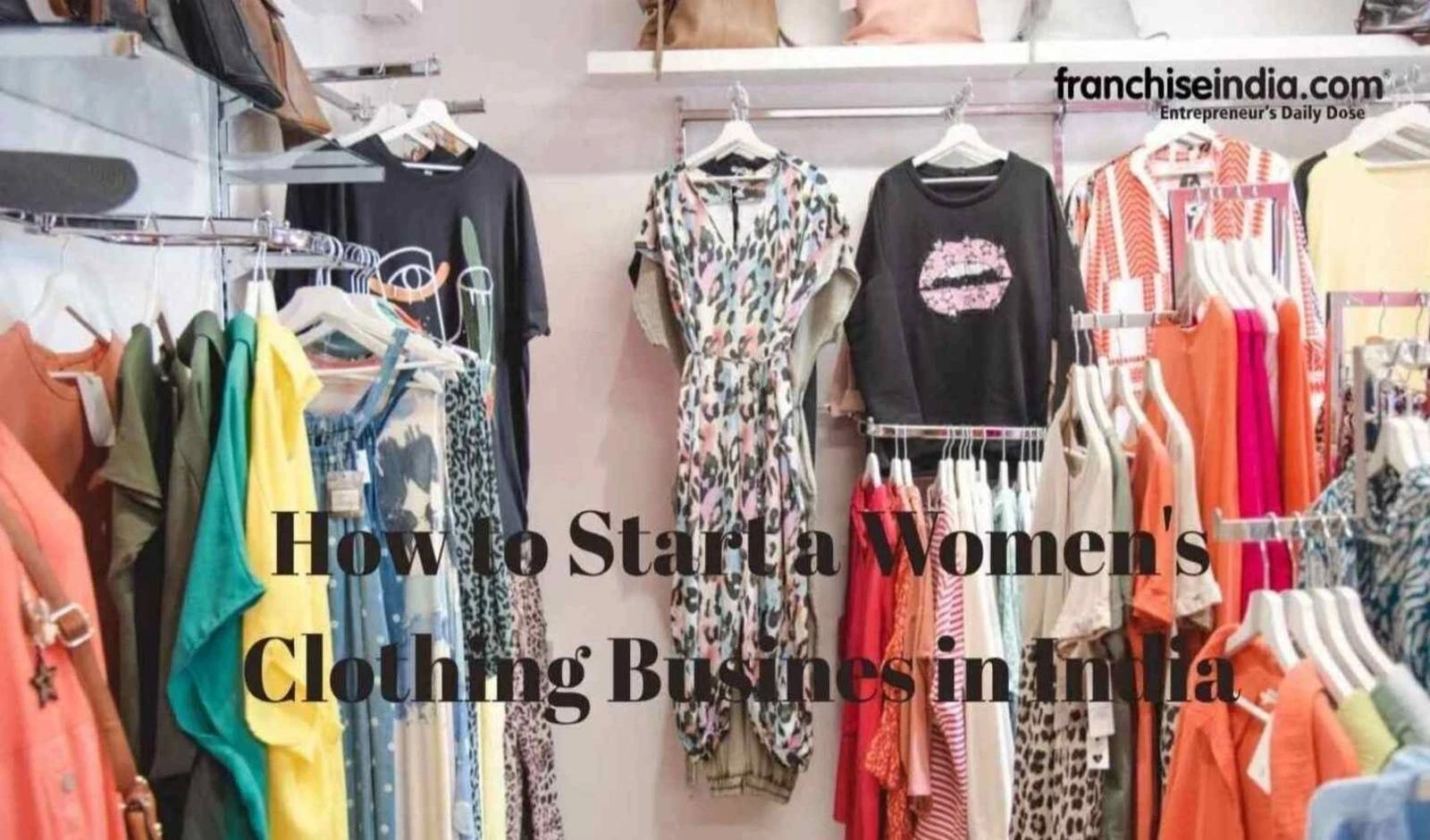
Starting a women’s clothing business in India is a solid bet. There’s always demand—whether it’s casual wear, ethnic styles, office outfits, or festive looks. But if you want to make it work, you’ve got to pick a business model that fits you. Maybe you want to resell ready-made clothes, open a boutique, sell online through Instagram or marketplaces, or even build your own brand from scratch. First, figure out who you’re selling to, spot the trends your customers care about, and find good suppliers in places like Surat, Jaipur, Delhi, or Mumbai. The legal stuff is pretty straightforward, and you can register your business quickly. Don’t skip building a strong online presence—Instagram, Facebook, or your own website will help people find you and remember your brand. Over time, it’s your grip on money, product quality, and how you treat customers that’ll really decide if you last. Start small and test your ideas, listen to feedback, and slowly add more stock. That way, you grow at a steady pace and don’t take on too much risk.
In this article we are going to cover the step-by-step approach of how to start a women's clothing business in India along with the investment required for it and growth and CAGR.
Also read: 11 Business Ideas in Delhi with Low Investment
Step-by-step approach of starting a women's clothing business
1. Pick a clear business model (what you’ll sell & how)
.jpg)
Before you put any money in, get clear about your business model. Each one needs a different amount of cash, effort, and risk. You might want to be a reseller or run an online boutique—just buy ready-made clothes from wholesalers or designers and sell through Instagram, WhatsApp, or your website. It’s quick and doesn’t cost much to get going. Or maybe you want your own label—design your own pieces, source fabrics, and have someone else make them in small batches. You’ll keep more of the profits, but you’ll have to work harder and plan more.
Running a home studio where you make pieces to order keeps your inventory low, but customers might wait longer for their orders. Opening a physical boutique builds trust but costs more up front for rent and setup. You could go for a private-label D2C brand or focus on a niche—plus-size, maternity, sustainable wear—whatever speaks to you. Start with one path and branch out later.
2. Market research & product strategy
.jpg)
Don’t rush into stocking up, and do some simple, low-cost market research first. Check out at least five local boutiques and five online stores selling similar stuff. Look at their prices, fabric quality, delivery times, and what makes them stand out. Hunt for gaps you can fill and then actually talk to people—friends, colleagues, and women in your community. Ask about the styles they want, sizes they struggle to find, how much they’ll spend, and what they expect for delivery and returns. Use what you learn to pick your starting lineup and keep it tight—maybe 6 to 12 designs, just a few colors and sizes. That way, you won’t end up with unsold stock. Also focus on styles your target customers always need. For example, if you’re after the working-women crowd: “Affordable, comfortable office wear for women aged 25–35, priced between ₹699 and ₹1,499.”
3. Legal & registrations (approx. costs)
.jpg)
Getting your legal paperwork sorted is usually pretty easy, though costs depend on where you live. If you start as a Proprietorship, you don’t need to pay for formal registration—your PAN and Aadhaar are enough. But if you want to register as a Private Limited Company or LLP, it’ll cost you anywhere from ₹6,000 to ₹25,000 depending on professional fees. GST registration is free, and you’ll need it if you sell across states or your sales cross the official threshold. Shop and Establishment or Trade Licenses cost about ₹1,000–₹10,000 depending on local rules. Registering under Udyam (MSME) is free and helps you access government schemes and loans. To protect your brand, apply for a trademark—usually about ₹4,500 per class for individuals or startups, not counting agent fees. Double-check the latest fees and rules with a CA or your local authorities.
Also read: 15 Lucrative Business Ideas for Empty Land
5. Startup budget examples

Let’s break down what it actually costs to launch a women’s clothing brand, no matter the scale.
Micro Online Boutique (Home-Based)
If you want to go a bit bigger and run a direct-to-consumer brand, you’ll spend more upfront. You’ll need to buy more inventory, upgrade your website, and invest in better product photos. Plus, you’ll need a marketing budget for things like ads and maybe working with influencers to get the word out. Factor in the costs for packaging, developing samples, and covering basic operations. Sure, it takes more money to get started, but you get much more control over your brand and how customers see you.
Small Online D2C Clothing Brand
If you want to go a bit bigger and run a direct-to-consumer brand, you’ll spend more upfront. You’ll need to buy more inventory, upgrade your website, and invest in better product photos. Plus, you’ll need a marketing budget for things like ads and maybe working with influencers to get the word out. Factor in the costs for packaging, developing samples, and covering basic operations. Sure, it takes more money to get started, but you get much more control over your brand and how customers see you.
Physical Boutique Store
If you’re thinking about opening an actual physical boutique, get ready for a bigger investment. You’ll have to cover rent or a deposit for the space, set up the interior, stock up on more inventory, and possibly hire staff. There’s also the cost of business licenses, insurance, and local marketing to get people through the door at launch. This route costs the most, so it’s best for folks who feel pretty confident they’ll get steady foot traffic and know exactly how they want to position their brand.
6. Pricing & margins—how to price products
.jpg)
Start by figuring out your Cost of Goods Sold (COGS): this covers fabric or garment costs, stitching or manufacturing, packaging, and shipping everything to you. Once you know your COGS, decide on a selling price that leaves you with a 40%–60% gross margin (that’s pretty standard for fashion).
Premium or designer brands often shoot for even more. Here’s a quick example: Say you sell 150 pieces a month at an average price of ₹800 each, so you bring in ₹1,20,000. If your COGS eats up 45% of that (₹54,000), you’re left with a gross profit of ₹66,000. After paying for marketing, packaging, shipping, salaries, rent, utilities, and web tools (let’s say ₹48,000 in total), you’re left with about ₹18,000 net profit. That’s a 15% net margin—pretty typical when you’re just starting out.
Also read: How to Start a Small Clothing Business from Home
7. Operations: order flow, inventory and logistics
.jpg)
Running things efficiently matters, but don’t go overboard with inventory at first—track each SKU with a simple spreadsheet or a free inventory tool. Set a reorder point so you can restock bestsellers before they disappear. For shipping, team up with aggregators like Shiprocket, Delhivery, or Blue Dart—they offer both prepaid and cash-on-delivery, and you can negotiate better rates as your order volume grows. Spell out your return and exchange policies clearly on your website, and remember online apparel usually sees a 5–15% return rate, so include that in your cost planning.
Stay on top of quality: check every batch you get, use accurate size charts, and make sure your stitching, tags, and labels are consistent. It all helps keep customers happy and builds trust in your brand.
8. Branding & digital marketing (estimated spending)
.jpg)
Building a brand is just as important as managing inventory.
- Start with your identity—a logo and branding basics. This can cost anywhere between ₹5,000 and ₹15,000, depending on your designer.
- Websites range from ₹8,000 for a simple template to ₹40,000 if you want something more custom. Get active on social media: post regularly, make fun Reels, and invite your customers to share their own photos.
- To boost your reach quickly, invest ₹10,000–₹30,000 a month in Facebook and Instagram ads, but keep an eye on your customer acquisition cost (CAC).
- Influencer marketing works too—micro-influencers with 10,000–50,000 followers usually charge ₹1,500–₹10,000 per post.
- Listing on marketplaces can help you scale fast, but remember, they’ll take a commission of 6–20% per sale.
In short, launching a women’s clothing brand takes more than just money—you need to plan carefully, keep things lean, and build a brand people trust. It’s a lot of work, but if you’re strategic, you can make it happen.
9. Team & outsourcing
.jpg)
- Solopreneur stage—the owner handles design, social media, and orders; hire a part-time tailor/packer.
- Growth stage—hire: an operations manager, a social media manager, a salesperson for B2B (boutiques), and a fulfillment assistant.
- Outsource accounting (CA), photography, and digital ads to freelancers for cost efficiency.
- Typical small team monthly salary estimates (ballpark): social media ₹12,000–20,000; operations ₹12,000–25,000 per person.
10. Funding & cost-control options
.jpg)
- Self-fund / family & friends—common for small labels.
- Bank small business loans/MUDRA—for working capital (requires business plan and KYC).
- Government schemes & grants—state MSME schemes, export incentives (check current schemes).
- Angel / VC—usually for brands with rapid growth potential and scalable unit economics.
- Cost control: start with fewer SKUs, negotiate MOQs, use freelance marketing, and avoid large long-tail inventories.
Also read: How to Start a Perfume Business in India in 2026
11. Common pitfalls and how to avoid them
.jpg)
Common challenges can be avoided with the right planning.
- One of the worst things you can do is load up on too much stock right out of the gate. Start small, test the waters with limited batches, and only ramp up when you know people actually want what you’re selling.
- Sizing mistakes also create headaches—returns pile up fast if your charts aren’t clear or accurate. Keep your size guides straightforward, and make it easy for people to exchange sizes. That kind of trust goes a long way.
- A lot of new brands get tripped up by relying too much on paid ads and neglecting their online presence. Don’t just throw money at ads—put real effort into building engaging content that connects with your audience and watch your numbers.
- Always know exactly what each product really costs you, from COGS to packaging, shipping, returns, and discounts. Even the hottest item turns into a money pit if you’re not in control of your costs.
Customer service isn’t just a box to tick—it’s what keeps people coming back. Fast replies, being polite, making returns or replacements painless—these simple things boost satisfaction and help you build loyalty that lasts.
Final tips—survive & thrive
If you’re starting a women’s clothing brand, keep it lean in the beginning. Don’t sink a ton of cash into inventory until you know people actually want what you’re offering. Instead of stretching yourself thin across every platform, pick one—maybe Instagram, WhatsApp, or a top marketplace—and really nail it. Your first goal should be building a base of loyal repeat customers. It’s way cheaper to keep someone coming back than to chase new buyers all the time. Offer special discounts, festive collections, or perks for members—those little extras encourage people to stick around.
Remember, growing a fashion brand doesn’t happen overnight. Trust takes time, and people remember brands that are consistent with quality and stay in touch. And don’t lose sight of your margins. No matter how trendy or beautiful a design is, if it eats into your profits, it’s just not worth it. The brands that last are the ones that price smart, keep their costs under control, and focus on keeping their customers happy. That’s how you build something sustainable.
You might also like: 21 Profitable Business Ideas in Hyderabad in 2026

