



 3953
/ 9
Min Read
3953
/ 9
Min Read


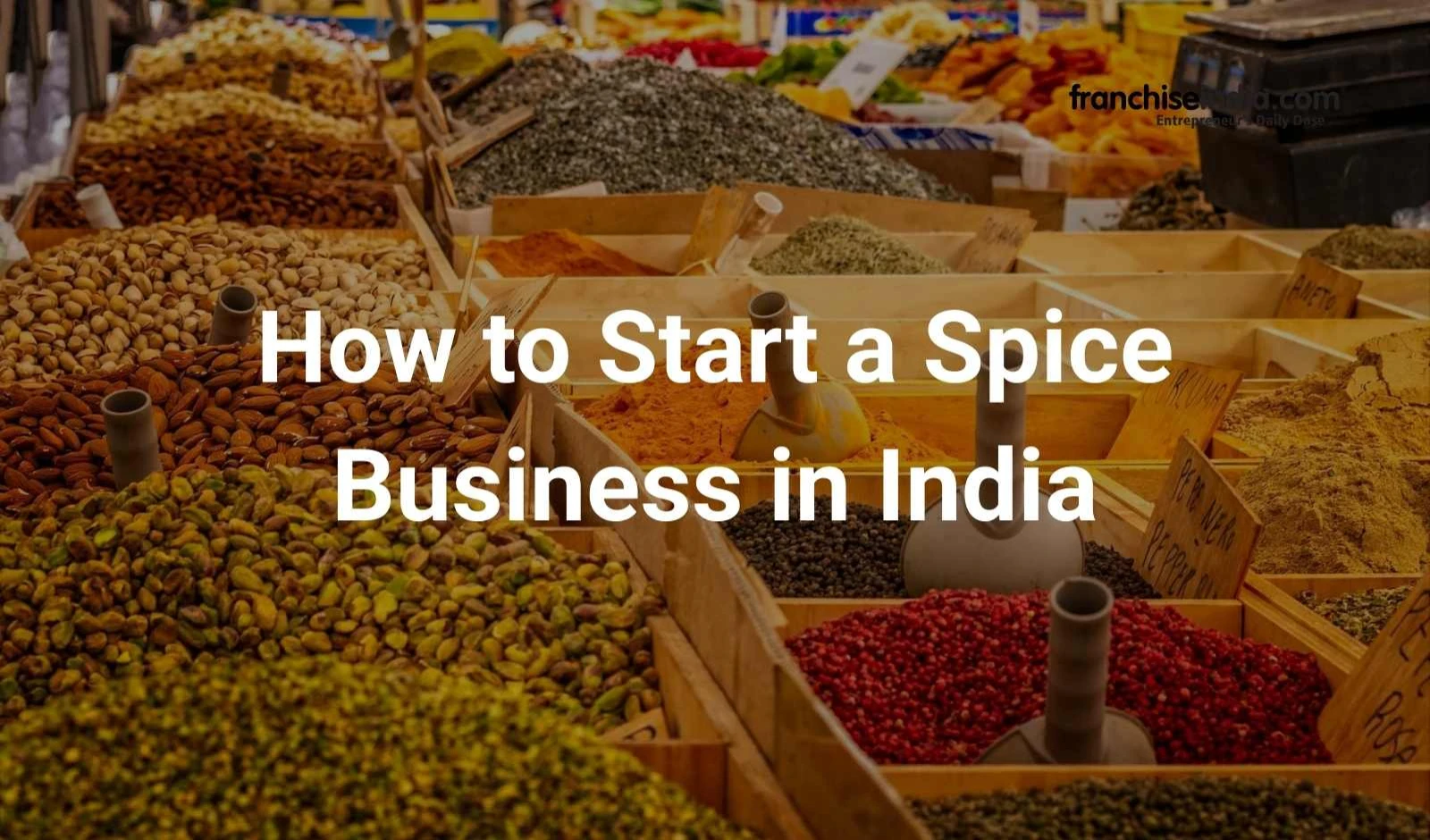
Spices aren’t just ingredients in Indian kitchens—they’re woven into the culture itself. India stands out as the world’s top producer, consumer, and exporter of spices. Lately, more people want branded, neatly packaged spice powders and blends, so the market at home is on fire. At the same time, folks all over the world are getting a taste for Indian spices, and that’s opening up some big export opportunities. For anyone thinking about starting a business, spices are a hot ticket—mixing tradition with quality and modern branding and reaching both Indian and global customers.
In this article we are going to cover how to start a spice business in India, including everything related to the capital investment required, how to scale, and challenges you might face, as well as the licenses needed for it.
Also read: How to Start a Gym Business in India?
Steps of Starting a Spice Business in India
Step 1: Market Research & Business Planning
.jpg)
Indian households use spices like turmeric, cumin, coriander, chili, and garam masala every single day. These staples aren’t going anywhere, but there’s a noticeable shift: people want spice blends that are ready to use, organic choices, and products that come in clean, sealed packaging. This says a lot about how consumer habits are changing. On the export side, countries like the USA, UAE, and those in Europe buy Indian spices in bulk. If you want to export, you’ll need to register with the Spices Board of India. The market’s moving away from loose, raw spices and toward packaged, processed, and value-added offerings. Big names like MDH and Everest still rule the roost, but there’s room for smaller brands, especially those selling organic, regional, or premium blends.
Defining Your Niche
Aspiring spice entrepreneurs should select a business segment based on their resources and expertise:
- Trading/Wholesale: Purchase raw spices and sell in bulk to retailers.
- Processing/Manufacturing: Clean, grind, blend, and package spices.
- Retail/Branding: Market branded spices directly to consumers online or offline.
- Value-Added Products: Produce spice extracts, oleoresins, or ready-to-cook mixes, which require higher investment and technical know-how.
Creating a Business Plan
A strong business plan should outline your product range, target audience (B2B, B2C, or export), sales channels, pricing strategy, financial projections, compliance and licensing requirements, and marketing strategy to ensure long-term success.
Step 2: Legal & Regulatory Requirements
.jpg)
When starting a spice business, selecting the right business structure is essential, as it impacts liability, scalability, and investment potential. Sole proprietorships are simple and cheap, but you’re personally on the hook for any losses. Partnerships or LLPs let you share the load with others. If you’re dreaming big and want investors, a private limited company gives you more protection and credibility.
Food regulations are strict, and you can’t skip them. You’ll need an FSSAI license, and the type depends on your annual turnover: up to ₹12 lakh means basic registration; ₹12 lakh to ₹20 crore calls for a state license; anything above ₹20 crore or across multiple states needs a central license. The fees run from ₹100 to ₹7,500, depending on what you need. If you’re manufacturing, trading, or selling spices, you’ll also need GST registration to claim input tax credits. Don’t forget a municipal trade license, fire safety clearance, building permits for manufacturing sites, and trademark registration to protect your brand.
You’ll need an Import-Export Code (IEC) and registration with the Spices Board of India to export these goods. While not mandatory, certifications like ISO 22000, HACCP, GMP, organic certification, and the Spices Board’s own certification help show you mean business when it comes to quality. These build trust with both Indian and overseas buyers.
Step 3: Capital & Investment
.jpg)
Starting a small- or mid-sized spice processing unit in India doesn’t have to break the bank, but it does take some planning. The biggest upfront cost is the premises: expect to spend ₹5–7 lakh on renting or buying a place, fitting it out, and setting up storage. Machinery for cleaning, grinding, blending, and packaging comes next, usually around ₹4–6 lakh. You’ll need to stock up on raw spices, which means another ₹1–2 lakh, and packaging materials will run you ₹0.5–1 lakh.
Acquiring necessary licenses and certifications, such as FSSAI registration, GST registration, and optional quality certifications, can cost between ₹1 lakh and ₹2 lakh. Marketing and branding efforts, including logo design, digital promotion, and offline campaigns, also require ₹1 lakh to ₹2 lakh. Finally, you’ll want ₹2–3 lakh in working capital to keep things running day to day. All in all, you’re looking at an investment of ₹14–21 lakh to get a small-to-medium operation off the ground. That’s a solid base for a business with plenty of room to grow.
Also read:
Step 4: Setting Up Operations
.jpg)
Selecting the right location is crucial for a spice processing business. Ideally, the unit should be situated near wholesale spice markets to ensure easy access to raw materials or near ports if targeting exports. You’ll need enough space for storage, grinding, blending, and packaging. Your equipment list should include cleaning and grading machines, grinders, blenders, packaging machines, and proper storage containers to keep everything fresh and hygienic. Buy your raw spices from top-producing states like Rajasthan, Gujarat, Andhra Pradesh, Tamil Nadu, and Kerala—look for high-quality whole spices that’ll give your blends an edge. When it comes to packaging, go for clean, moisture-proof bags or jars to lock in that freshness.
Labels should clearly display the brand name, ingredients, batch number, FSSAI license, and best-before date. Proper location, quality machinery, and careful sourcing and packaging are key to ensuring product quality and building a trustworthy brand in the spice market.
Step 5: Marketing & Sales Strategy
.jpg)
Building a successful spice business requires strong branding that is both recognizable and trusted. Make your products stand out by focusing on quality, purity, and hygiene every single time. That’s how you earn credibility and get customers coming back for more. Where you sell matters just as much. You can get your spices on shelves in local stores or supermarkets, list them on big online platforms like Amazon and Flipkart, or go direct with your own website and social media shop. There’s also a solid market selling straight to restaurants, hotels, and catering companies. Those B2B clients can give you steady, reliable sales.
To get noticed and keep people loyal, lean into creative promotions. Give out free samples and host tastings—let folks actually taste what sets you apart. Social media is your friend here: use it to reach more people, and try teaming up with influencers, especially if you’ve got a premium or organic line, and that kind of credibility can open doors to new customers. In the end, the mix of a strong brand, smart sales channels, and savvy marketing is what gives your business staying power.
Step 6: Scaling Up
.jpg)
To scale and grow a spice business, expanding and diversifying the product line is essential. This could include introducing regional spice blends, exotic varieties, and an organic range to cater to niche consumer preferences. Think beyond powders—spice extracts, oleoresins, and ready-to-cook mixes bring in better margins and attract a higher-end crowd. If you’re eyeing exports, you’ll need to get the right certifications and follow the rules, but it pays off by opening up global markets. Upgrading your equipment—things like automated grinders and packaging machines—boosts efficiency, cuts down labor costs, and keeps quality rock-solid. By rolling out new products, moving into value-added goods, and investing in tech, you build a brand that stays relevant and ready for growth, whether you’re selling at home or overseas.
Step 7: Challenges & Risk Management
.jpg)
Running a spice business comes with several challenges that require careful planning and management. Prices can swing wildly, thanks to things like weather or unpredictable harvests. Big brands already crowd the market, so you have to stand out with better quality, unique blends, or specialty offerings. Keeping your product consistent—fresh, clean, and flavorful—is non-negotiable if you want customers to trust you. Don’t skip the legal stuff either; proper licenses, labels, and safety standards are crucial. Cut corners, and you risk fines or even getting shut down. To stay ahead, lock in deals with reliable suppliers, do regular quality tests, get certified, and build a supply chain you can count on. Planning for these challenges keeps your business steady and sets you up for the long haul.
Also read: 11 Small Business Ideas in Punjab
Conclusion
Starting a spice business in India takes careful planning and sticking to all the rules, but it’s doable—even for small entrepreneurs. With around ₹15–20 lakh, you can set up your processing unit, handle the licenses, and start building your brand. There’s plenty of flexibility: sell in stores, online, to restaurants and caterers, or even go international once you’ve got the paperwork sorted. If you focus on niches—like organics, regional blends, or specialty products—you can stand out from the big names and draw in customers who want something different. With smart marketing, tight quality control, and efficient operations, there’s real potential for steady income and growth. All in all, it’s a promising path for anyone in India looking to break into the food business.
You might also like: How to Start an Event Management Business in India

