



 9510
/ 10
Min Read
9510
/ 10
Min Read


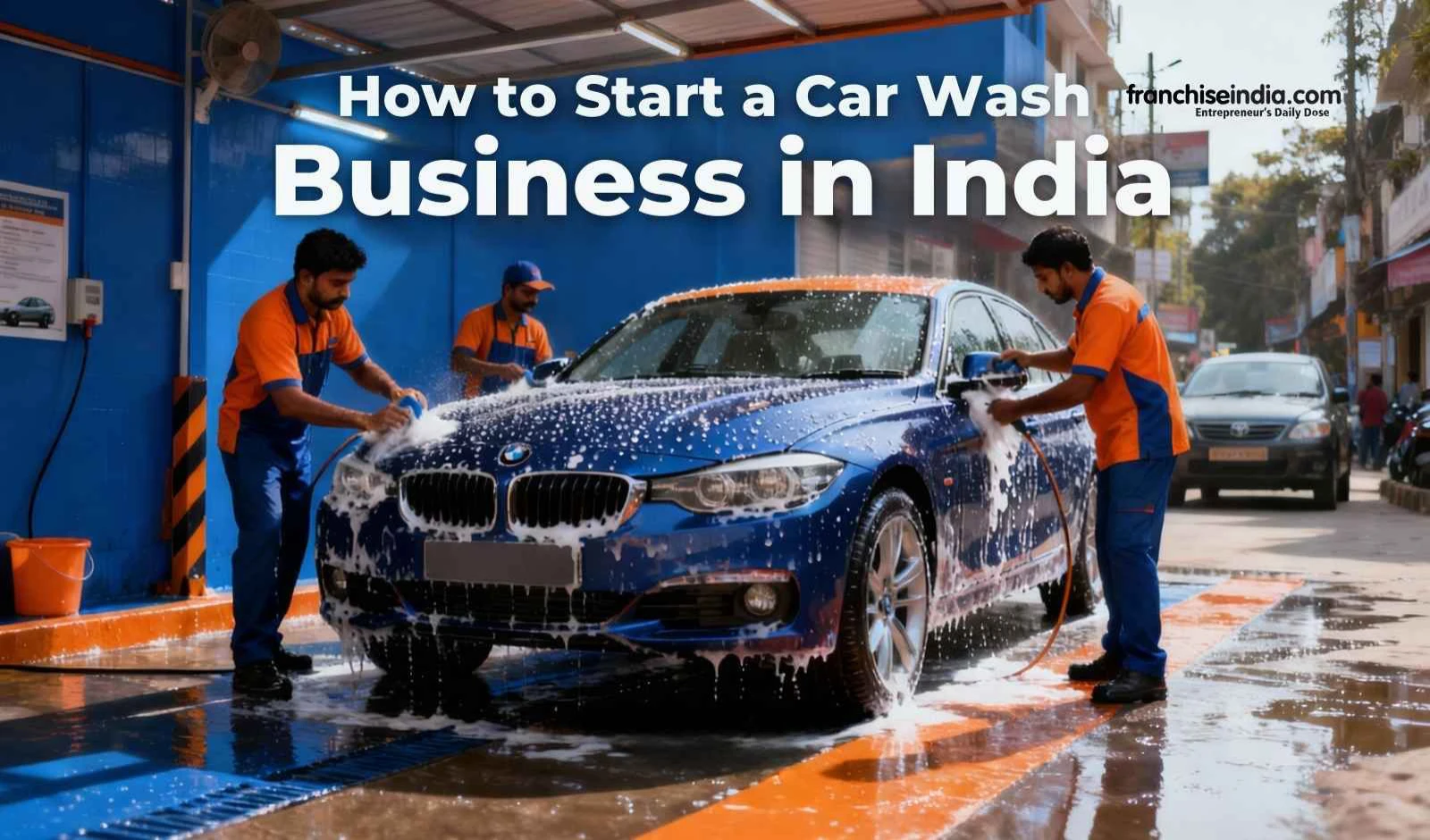
Vehicle ownership in India has been steadily increasing in the last few years, and consequently, there is an increasing demand for car wash services. This business provides car wash services just like any other business that provides car care solutions, while generating revenue for the entrepreneur who operates a successful car wash business, thus providing good returns on investment (ROI). For new entrepreneurs, starting a car wash is relatively easy since you can start a small company; however, it is important to use good planning and develop a successful car wash business plan in India.
The purpose of this article is to guide how to set up a car wash business in India, and what you should expect to spend on starting and operating a car wash business.
Also read: How to Start a Retail Business in Mumbai?
Types of Car Wash Businesses
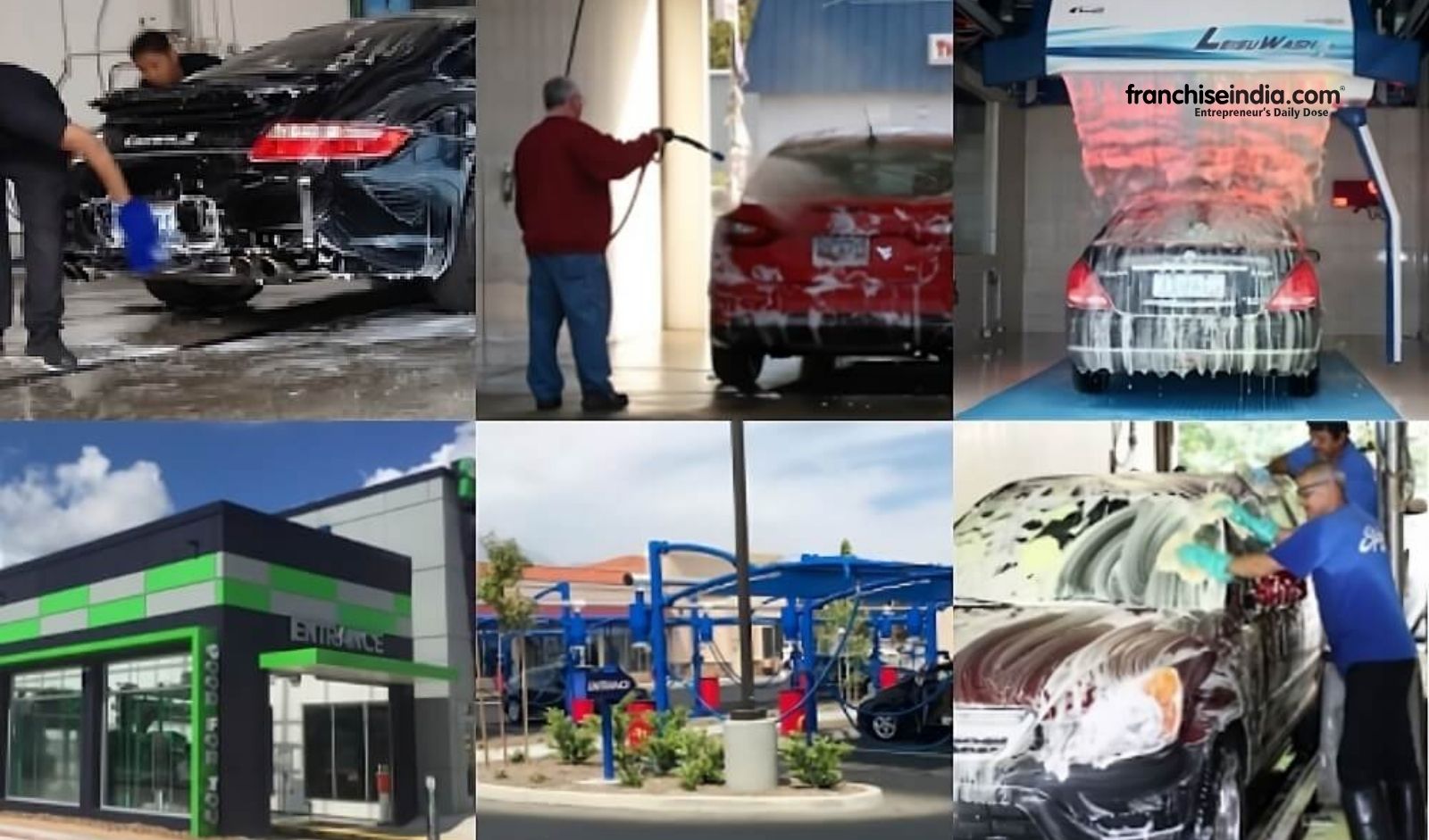
The first step is selecting the right business model based on your budget, resources, and customer base. The four main car wash formats in India are:
- Manual (Hand) Car Wash: Low start-up costs; provides an opportunity for someone to start with very limited funds, and primarily depends on the labor force to provide the facility. Therefore, it does not require any fixed premises.
- Semi-Automatic / Automatic Car Wash Centre: Uses mostly machines for washing, vacuuming, and drying; Fast service; requires a significant capital investment to get started.
- Mobile Car Wash: A van or portable frame that goes to customers where the customer lives or works. Very low start-up costs and no need for a fixed location to operate.
- Eco-friendly / Waterless Car Wash: There is increasing interest in conserving water, which means this business format is becoming increasingly attractive to environmentally conscious consumers; starting an eco-friendly/waterless car wash may require specific supplies and special methods.
Each business format will have different levels of risk and opportunity for investment, labor rate, price, and ability to expand.
Market Research and Location Selection
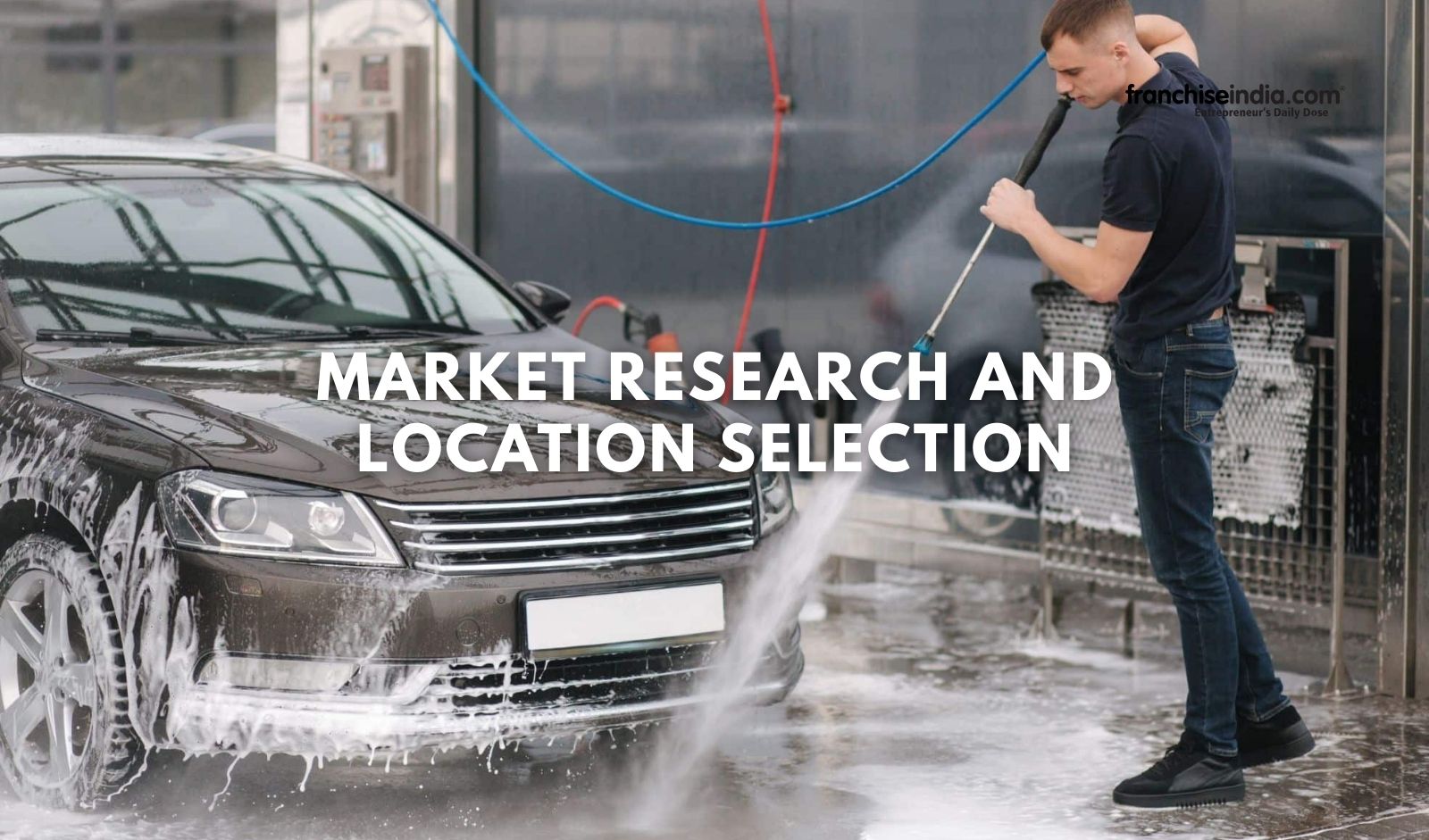
Your initial customer base and eventual location selection are critical to your success. To evaluate potential sites, consider the following:
- Locate Smoke and Fire Zones. Areas of high congestion, such as near refuelling stations or shopping malls, tend to attract more customers who need quick access to auto cleaning services.
- Evaluate Visibility, Parking, and Access to your Facility. Customers should be able to drive in and out of your facility easily.
- Inspect for Water Availability, Waste Disposal, and Electrical Supply for an Automated Car Wash. In order to provide a vehicle wash, there must be adequate plumbing for water supply and wastewater disposal.
- Assess the number of competitors within a 1–2 km radius of your business, including what services and prices they offer. Knowing your enemies will enable you to effectively position your company.
A well-selected site will give your company excellent visibility, facilitate the operation of your business, and provide a continuous influx of customers.
Legal, Licensing, and Compliance Steps
Small car wash operations are subject to different regulations and compliance measures depending on the size and scope of the operation. Example steps to comply include:
- The selection of a legal entity type, such as sole proprietorship, general partnership, or private limited company. The entity selected will be used to compute taxes and liability for the owner.
- Obtaining a license to operate from the local authority. This provides clarity on conducting business and secures the approval of the local community in terms of business activity.
- Registering the business with the state in accordance with the local "Shops and Establishments" regulation. This includes compliance for employment practices (hours of work), employee rights, workplace safety policy, etc.
- Registering for Goods and Services Tax (GST) if the business has annual revenue exceeding the state-defined threshold (mostly ₹20 lakhs per year; threshold amounts differ by state).
- Additionally, if a business has a larger or automated car wash setup, it may need to obtain environmental clearances and waste discharge permits. Reasonable drainage practices and elimination of waste will mitigate legal and monetary issues associated with non-compliance and environmental violations.
Consulting with a local accountant or attorney is recommended to ensure compliance with local or state requirements.
Also read: How to Start a Beverage Business in India
Estimating Investment: What It Costs to Start
Manual / Hand Wash (smaller town or modest shop):
- ₹3 lakhs – ₹7 lakhs
- Low investment, labour-intensive, ideal for beginners or small towns.
Semi‑Automatic: Medium Setup (small/medium city):
- ₹7 lakhs – ₹12 lakhs
- Uses some machinery for faster washing, moderate investment.
Small Professional Centre (800–1000 sq ft):
- ₹8 lakhs – ₹12 lakhs
- Suitable for urban areas with steady traffic, it provides full-service washing.
Fully Automatic / Larger Setup or Tier‑1 city centre:
- ₹15 lakhs – ₹25 lakhs or more, depending on scale
- High investment, uses machines for washing, drying, and detailing, and fast service.
Mobile Car Wash (basic equipment + mobility):
- ₹1 lakh – ₹5 lakhs
- Minimal fixed costs, flexible location, convenient for customers at home or office.
Typical Cost Components
Rental costs for a space (if applicable): It will vary based on the location within the city and the specific area. In small towns, the average monthly rent will be below ₹20,000 and more than this amount in larger cities.
- Construction or workshop setup: The cost of constructing or establishing a workshop includes (constructing a wash bay, providing drainage, flooring, providing adequate shaded work areas and waiting areas, etc.) and will be around ₹2-₹4 lakh for a basic wash bay.
- Equipment: Pressure washers, vacuum cleaners, foam guns, air blowers, water tanks or these can be replaced by recycling systems. Prices for High-Pressure Washers can range from ₹15,000–₹40,000 for the equipment, based on its quality.
- Consumables and setup materials: Cleaning chemicals, shampoos, wax, microfiber cloths, safety equipment, etc. For this initial supply, the cost can be modest but will be a monthly recurring expense for all of the above.
- Permits, licences, compliance: This would include the trade license, the GST registration, the permits for Waste-Water Disposal and the municipal fees. These could cost anywhere from ₹10,000 to ₹50,000, based on where the business is located.
- Staff and utilities: Depending on the type of wash process needed for either the manual or semi-automatic wash process, you may need 2 - 4 staff members to begin with, plus the monthly salary of the staff, with electricity, water and maintenance.
A realistic operational plan will allow you to account for these expenses and provide a sufficient amount of working capital and marketing budget until your business is established.
Also read: How to Start a T-shirt Printing Business in India
Step‑by‑Step Setup Guide
1. Decide on the Business Model
Depending on your budget, demand in your area, and what kind of service your area needs, you can select from one of the three options: Manual wash, Mobile wash or Fixed Centre (Semi-or Fully Automatic).
2. Select a Location and Prepare Space
Locate a property that has enough space for a vehicle washing bay, drainage for washing vehicles, room for waiting vehicles and parking. Confirm that the property has access to electricity and water supply and that it can accommodate a water drainage system, equipment and waste-waste facilities.
3. Register the Business and Obtain Licences
Obtain the required trade license, GST registration (if applicable), and local municipal approvals (if applicable). Obtain Environmental Clearance or Wastewater permits if your system requires it, and register under the Shops & Establishments Act if applicable.
4. Purchase Equipment and Supplies
Equipment to purchase for a high-pressure wash includes a power washer, vacuum, foam cannon, blow dryer, holding tank, or recycling unit, cleaning products, micro-fibre towels, and personal protective equipment. It is recommended that the equipment you purchase for a small-to-medium-sized business is quality equipment, but a money-saving choice. Avoid overspending during the start-up phase.
5. Hire and Train Staff
Staff operating the manual and semi-automatic methods for washing cars must be trained in the proper technique and method for basic car wash, washing of the inside of cars, the appropriate methods and the safe use of cleaning solutions and applying water. Customer relations are also crucial.
6. Develop Service Packages and Pricing Strategy
Include several services like an Exterior Car Wash only, an Exterior Car Wash with a complete inside wash, an exterior car wash with complete inside and outside cleaning and a Deluxe Car Wash (includes polishing and other treatments). In India, the price for a basic car wash of an average full-sized sedan is fairly low. Larger vehicles and many car washing properties may have higher per-wash rates.
Membership models or subscriptions for regular service customers are a great way to increase your customer base.
7. Marketing and Customer Acquisition
Advertising is critical. Use local advertising; put flyers in the area that you want to promote, establish partnerships with gas stations, parking lots, or business centres. Offer a discount to first-time customers or offer a referral bonus for customers to refer a friend to your service.
8. Focus on Quality, Customer Experience & Hygiene
Use water legally and dispose of it properly; maintain your equipment; provide a consistent supply of clean water; avoid damage to your customers' vehicles. Offer the same level of service on each car wash; customers will build a level of trust and return for additional washes.
9. Expand and Diversify Over Time
Once you have established a stable customer base, add the benefits of more car care service options: interior car detailing, polishing, waxing, car cleaning supplies, pick-up and delivery service, subscription service or the addition of a second bay or mobile service.
Typical Earnings and Profitability
Three factors determine profits: Scale, Demand, and Efficiency. Here's a rough estimate based on these three factors:
- A small mobile wash that has low overhead costs will break even or be profitable within 6 to 12 months if the operator manages their costs aggressively.
- A semi-automatic professional wash will take 12 to 18 months for a small centre to recover its costs, depending on traffic and fixed costs, such as rent, utilities, and so on.
- Depending on the location of the wash and the number of customers, established operators will see a large variation in monthly profits. For example, if a wash washes 15 to 20 cars a day, charging at a modest price, they can have reasonable profits after expenses of chemicals, water, electricity, and employee costs.
With controlled cost control, quality service, and good marketing, the car wash industry is a good business model that is both scalable and sustainable.
With careful selection of location, legitimate business experience, and effective financial practices, starting a car wash will generate a continuing source of income while providing a valuable service. The success of the business is determined primarily by the level of service provided, as opposed to the number of or the quality of equipment used. With a detailed, well-thought-out plan and with continued execution of this plan, a car wash can be a sustainable business that meets the practical needs of vehicle owners, while providing a stable livelihood for the business owner.
You might also like: 15 Profitable Leather Business Ideas

