



 1848
/ 9
Min Read
1848
/ 9
Min Read


Woodbuzz is a fast-growing Indian brand in the premium furniture and modular kitchen segment, and also provides an attractive franchise opportunity. Known for its quality-engineered boards, modern designs, and modular solutions, Woodbuzz has appealed to both homeowners and interior designers. With accelerated urbanisation and increased consumer demand for modular living solutions, a Woodbuzz franchise can be quite rewarding if a strategic approach is taken. This article will guide you through the costs, requirements, application process, and expert advice to build and scale your Woodbuzz franchise in India.
Also read: How to Start A Wholesale Toy Business in India
Why Franchise with Woodbuzz?
Before exploring the logistics, it's important to understand why a Woodbuzz franchise is a good choice:
- Growing market: Modular furniture and kitchen solutions are one of the largest growing segments of the interior design market in India, which is driven by urbanisation and increasing disposable income.
- Strong brand presence: Woodbuzz has an established brand recognition for its high-quality engineered boards, design aesthetics, and innovative ways of delivering solutions.
- Manufacturing facilitation: Woodbuzz has its manufacturing facility in South Noida that provides a reliable supply and standardisation of quality.
- Scalability: Franchise or dealer models can provide a stable source of revenue from both retail customers and B2B customers, including designers, builders, and real estate organisations.
Choosing the Right Franchise Model
Woodbuzz provides several options for different partnership models to give you flexibility based on your objectives and capacity for investment:
- Retail Store Franchise: A physical location that has a showroom for customers to see products, modular kitchen packs, and furniture solutions.
- Dealer/Distributor Model: Supply-driven model where you handle sales to local designers, carpenters, and independent, smaller outlets.
- Territory/Sub Franchise: If Woodbuzz permits individuals interested in a sub-franchising model, you could control a specific territory in your geographic area.
If you are a first-time franchisee, a retail store will give you the most brand experience and customer interaction through the experience. While the dealer and distributor model requires less capital and operational cost.
Investment Breakdown

Opening a franchise at Woodbuzz requires important and flexible investments, depending on which franchise model you choose.
Retail Store Franchise
Below is a breakdown for a mid-size Woodbuzz showroom in a Tier-1 city:
| Item |
Estimated Cost (INR) |
|---|---|
| Store Setup & Interiors | ₹25 lakh – ₹60 lakh |
| Initial Inventory (Furniture + Components) | ₹20 lakh – ₹50 lakh |
| Branding & Signage | ₹5 lakh – ₹15 lakh |
| Marketing & Launch Promotions | ₹3 lakh – ₹10 lakh |
| Staff Training, Hiring & Salaries | ₹2 lakh – ₹5 lakh (initial) |
| Working Capital | ₹10 lakh – ₹20 lakh |
Expected Total Investment: ₹1 crore – ₹2 crore for the first year, depending on location and scale.
Dealer / Distributor Model
For a lower-cost operation setup:
- Inventory: ₹15 lakh - ₹40 lakh
- Logistics setup:₹3 lakh - ₹8 lakh
- Marketing & point of purchase materials: ₹2 lakh - ₹6 lakh
- Operating expenses: ₹5 lakh - ₹10 lakh
Estimated Investment: ₹25 lakh - ₹60 lakh, making it accessible for lower capital entrepreneurs.
Ideal Location & Space Requirements
Choosing the right location is crucial for success:
- Showroom Size: A Woodbuzz retail outlet will usually require 5,000+ sq ft to display modular kitchens, wardrobes and furniture ranges.
- Preferred Locations: Brand positioning is often most impacted by a presence in a high footfall area (premium shopping malls, interior market groups, or premium high street locations).
- Maintenance: Make sure that the building has enough electricity, ceiling height, lighting and storage space to have both display areas and stock.
Also read: How to Open a Pepperfry Franchise in India: Cost, Requirements & Application Process
Eligibility Criteria

Before applying for a franchise of Woodbuzz, prospective owners must ensure that they are qualified to execute the operations of the store according to the brand standards. Woodbuzz is looking to form partnerships with people who can maintain a consistent level of product quality, manage the operations of the store on a day-to-day basis, and hold a brand reputation that aligns with their concept of modern, durable home furniture.
1. Financial Capability
In order to be a Woodbuzz franchisee, applicants will typically need access to ₹20-₹35 lakh (dependent on the size of the store and the city) to cover the cost of franchise fee, furniture, inventory, working capital, and initial marketing. A decent credit history or access to business funds is also beneficial.
2. Business Background (Preferred, Not Mandatory)
While Woodbuzz does not require direct experience in the furniture or retail sector, it is definitely beneficial. Candidates with retail, interior solutions, or home décor experience will also be favoured.
3. Suitable Store Space
The footprint for a Woodbuzz franchise will usually require 600–1,200 sq. ft. in a commercial location, ideally located in a furniture market, with foot traffic, or a neighbourhood with home shoppers. There should be enough space to ensure ordering as well as organised layouts of furniture.
4. Ability to Manage Daily Operations
Franchisees are expected to hire employees, manage stock levels, and work with Woodbuzz on new launches and ideas, while ensuring quality customer service. Good communication skills with guests and the ability to manage the staff decorum are important.
5. Commitment to Brand Standards
Woodbuzz expects franchise partners to keep and maintain the look and feel of the store, adhere to pricing requirements, promote reasonably at a local level, and operate in accordance with operational SOPs.
6. Legal Compliance
A franchisee must have (or be willing to get):
- GST Registration
- Trade License
- Shop & Establishment registration
- PAN/Business PAN
- Business Bank Account
Regulation & Legal Requirements
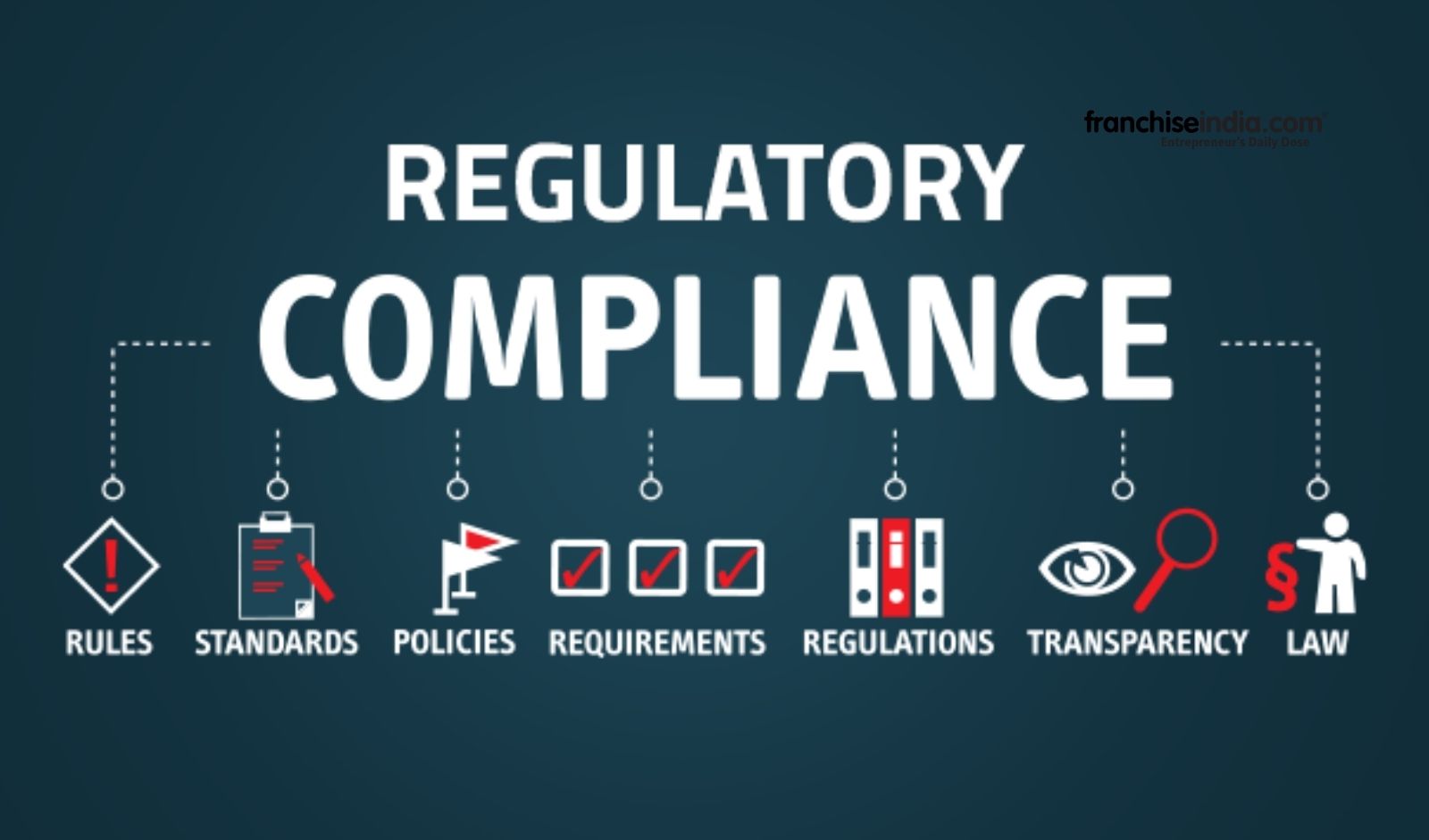
As you transition into the next phase, the following legal and regulatory considerations will be important to address:
- Business Registration: You will be required to establish a Private Limited Company, a Limited Liability Partnership (LLP), or a Proprietorship based on your investment model.
- Tax Registration: If you want to engage in furniture retail operations, you will be required to register for a Goods and Services Tax (GST) account so that you can issue invoices for your sales and claim tax credits.
- Address Local Licenses: Obtain a trade license and ensure you have a fire safety clearance and municipality approval, and/or business license.
- Brand Etiquette: You agree to use Woodbuzz branding, trademarked materials, and display Woodbuzz signage in compliance with the franchise agreement.
- Franchise Compliance: Open your books for royalty/revenue share considerations and comply with typical audit processes if applicable.
Also read: Why start a Momo Business this Winter?
Step-by-Step Application Process

Here is the complete step-by-step breakdown of the application process:
Step 1: Submit Franchise Inquiry
Start by filling out the official franchise inquiry on Woodbuzz's website or reach out to their franchise team. You'll be asked for your contact information, information regarding your area of preference, and what you would like to invest in, so they can provide feedback on whether or not you will be a good fit.
Step 2: Attend the Initial Discussion
If you are qualified, Woodbuzz will set up a first meeting with you to discuss the franchise model, investment, expected returns, and operational responsibilities. This meeting will also allow you the opportunity to ask questions that you might have on training, support, or different store models.
Step 3: Evaluate Store Location
Next, Woodbuzz will evaluate your suggested location or help you determine the best location to set up your franchise. They will assess site-based foot traffic, visibility, competitive dynamics in the area, and demand in your area for the particular store concept. Most time, Woodbuzz will at least get to the location to do a site visit prior to a final decision.
Step 4: Sign the Franchise Agreement
After the location has been determined, you will sign the franchise agreement. The franchise agreement includes the financial aspects, brand guidelines, operational aspects of the store, and duration of the contract. This is also when you will pay your initial franchise fee.
Step 5: Store Design & Build-Out
Next, Woodbuzz's design team will create the layout of the store and branding plan. Your interior design, lighting, fixtures, and display shall all be set up according to Woodbuzz's standards. Typically, this build-out takes about 25-40 days.
Step 6: Staff Recruitment & Training
The franchisee is responsible for hiring staff, while Woodbuzz provides training on the sales process, the product, interacting with customers, and billing systems so that customers experience the same level of service every time.
Step 7: Inventory Procurement
Woodbuzz provides a variety of bestselling furniture for the initial stock. The franchisee manages their own orders through the brand’s central warehouse.
Step 8: Pre-Launch Marketing
Before opening, Woodbuzz assists with local events, digital media, and social media personalised ads.
Step 9: Store Launch
There will be a “soft” opening before the “grand launch”, often supported by time-limited offers and promotional activities to drive strong initial footfall.
Step 10: Post-Launch Support
Once open, Woodbuzz continues to provide sales management support. This support will include operational audits, marketing support, and the introduction of new products to support the growth of the franchise.
ROI & Growth Potential

- High Profit Margins: Modular furniture and modular kitchens provide good margins as a byproduct of high-quality materials and the aspirational value of customisation.
- Scalable Concept: Start with one location and expand to multiple showrooms or territory sub-franchises once the business is established.
- Strong Market Sustainability/Demand: Increasing urbanisation, growth in real estate, and homeowner trends toward improving living space will ensure demand for modular solutions in the long run.
- Brand Leverage: Utilising Woodbuzz's brand strength as the manufacturing backbone reduces sourcing risk and helps clients feel comfortable doing business.
- Break-even Timing: Realistic break-even time of 3-5 years, assuming steady monthly sales and a reasonable customer base.
- Value Appreciation: High-quality product inventory (modular furniture) retains value well and will support exit and resale strategies.
Starting a Woodbuzz franchise is not simply investing in a furniture & home goods retailer; you are part of a design-oriented lifestyle brand. Certainly, there will be a healthy capital requirement; however, the strength of the brand to manufacture independently, all of the design and support they provide and the proven model will give new franchise owners a solid foundation to work from. Planning wisely and with thorough location research, financial and operational discipline will result in a Woodbuzz franchise business that is scalable, sustainable and rewarding for many years to come.
You might also like: How to Start A Wholesale Toy Business in India

