



 335
/ 12
Min Read
335
/ 12
Min Read


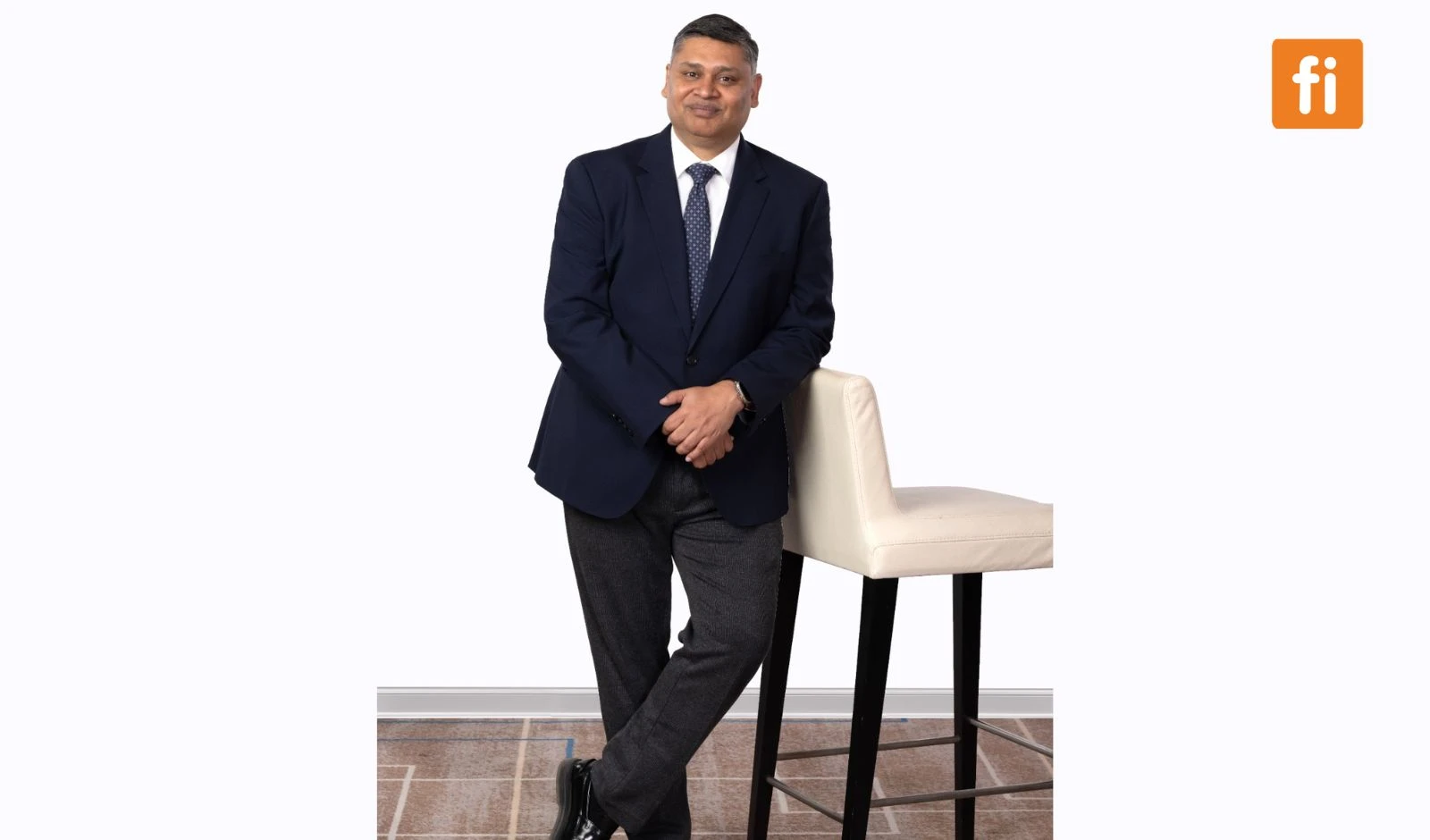
With India emerging as one of the most dynamic hospitality markets globally, international hotel chains are increasingly aligning their growth strategies with the country’s expanding travel demand and shifting consumer preferences. Among them, Wyndham Hotels & Resorts has carved a distinct position through its focus on accessibility, scale, and early entry into high-growth non-metro markets.
Leading this momentum across the Eurasia region is Rahool Macarius, Market Managing Director, Eurasia, who has played a pivotal role in steering the brand’s expansion strategy in India. By leveraging an asset-light, franchise-led approach, Wyndham has been able to build a wide network while catering to the evolving needs of travellers across diverse geographies.
In this interview, Macarius discusses Wyndham’s India playbook, its early focus on emerging cities, and how its global philosophy of accessible and diverse hospitality continues to shape travel experiences across the country.
Wyndham Hotels & Resorts has a strong global legacy, what inspired the brand’s entry into India, and how did the initial journey unfold?
India has always been a market we have believed in strongly at Wyndham Hotels & Resorts, given its long-term economic potential and the structural rise in domestic travel. Early on, we identified a clear gap in the midscale segment, there were very few branded hospitality options offering consistent quality at accessible price points. While many players were still focused on metropolitan cities and the luxury or upper-upscale segments, we took a more contrarian view on where long-term scale in India would truly emerge. Bringing Ramada into the Indian market was a defining moment in that journey. The brand resonated strongly with Indian travellers, striking the right balance between international standards and affordability. Its widespread acceptance and robust expansion across the country validated our early belief that there was significant untapped demand in this segment. Today, Ramada stands as one of our most recognised and widely distributed brands in India. Our approach was never just about establishing presence, it was about building depth. We made a conscious decision to expand across Tier 2 and Tier 3 cities well before they became an industry-wide focus. At the time, these markets were underserved in terms of branded hospitality, but we recognised the underlying demand drivers, rising incomes, improving infrastructure, and increasing mobility. As India’s infrastructure and connectivity improved, many of these cities evolved into thriving commercial and leisure hubs, with demand patterns increasingly comparable to Tier 1 markets. This, in many ways, reaffirmed our early conviction that we were investing in the right markets at the right time.
This ability to anticipate opportunity ahead of the curve, combined with our asset-light, franchise-led model, has been central to our growth in India. It has enabled us to scale efficiently, build strong owner partnerships, and create a portfolio that is closely aligned with the evolving needs of the Indian traveller.
How does Wyndham’s global philosophy of accessible and diverse hospitality translate into the Indian market?
At its core, hospitality is about making people feel welcome, but for us at Wyndham Hotels & Resorts, it goes a step further. It’s about constantly raising the baseline of what travellers can expect, regardless of where they stay or how much they spend. In a market like India, that philosophy becomes especially relevant. We are dealing with a highly diverse, rapidly evolving traveller base, where expectations are rising not just in metros, but equally across smaller cities. Our approach has been to stay ahead of that shift, by not only expanding access to branded hospitality, but by consistently working to elevate the experience itself.
That’s reflected in how we’ve built our portfolio across segments, ensuring that whether someone stays at an economy or an upscale property, there is a clear sense of reliability, comfort, and global quality standards. At the same time, our expansion into Tier 2 and Tier 3 markets has been very intentional, we saw early on that these travellers would demand the same level of experience as larger cities, and today that shift is clearly visible.
Our franchise-led model plays an important role here. By working closely with local partners, we’re able to combine global benchmarks with on-ground understanding, which helps us deliver experiences that feel both consistent and contextually relevant.
For us, it’s not just about scale, it’s about steadily improving the quality of travel itself. And that’s really how we see our role in India: not just participating in its growth, but actively shaping how people experience travel across the country.
Could you share insights into Wyndham’s growth and footprint in India so far? Which regions have seen the strongest traction?
Our journey in India has been both measured and strategically paced at Wyndham Hotels & Resorts, with a clear focus on being present in the right markets, with the right brands, at the right time. Today, we have built a strong footprint with 95 hotels across the country, supported by a robust pipeline of more than 50 properties under development. A key part of our growth strategy has been aligning our brand portfolio with specific market needs and evolving consumer expectations. Rather than a one-size-fits-all approach, we have introduced different brands across locations based on demand patterns, whether it’s business-driven cities, leisure destinations, or emerging pilgrimage hubs, ensuring we remain relevant across diverse micro-markets.
In terms of traction, North and West India have been particularly strong for us. Cities such as Jaipur and Udaipur continue to perform well as established leisure destinations, while spiritual and cultural hubs like Varanasi and Bodh Gaya have seen a notable surge in demand, driven by both domestic and international travel.
At the same time, we are witnessing increasing momentum across emerging markets in Central and Eastern India, where improving connectivity and economic activity are opening up new opportunities for branded hospitality. Growth has further accelerated in recent years, supported by significant infrastructure development, across highways, regional air connectivity, and broader accessibility. Over the past five years in particular, there has also been a clear shift in traveller behaviour, with guests seeking more than just accommodation and increasingly prioritising experience-led travel.
This has led to the rise of offbeat and non-traditional destinations, contributing meaningfully to the performance of our hotels in secondary and tertiary markets. Many of these locations are now evolving into strong leisure and social travel hubs, reinforcing our early focus on these high-potential destinations.
Overall, our growth in India has been anchored in anticipating demand shifts early, aligning our portfolio accordingly, and ensuring we are well-positioned to capture emerging travel trends as they evolve.
What is your current expansion strategy in India, particularly across Tier 2 and Tier 3 cities?
Our expansion strategy is centred on tapping into high-growth Tier 2 and Tier 3 markets, where demand for branded hospitality continues to rise on the back of improved connectivity, economic activity, and evolving travel patterns. Early on, we identified and strongly penetrated the midscale segment in India, addressing the need for reliable, branded offerings at accessible price points. Building on that foundation, we are now expanding our presence in the upper-upscale segment with brands such as Wyndham Grand.
Our current expansion is actively focused across Tier 2 and Tier 3 cities including Ayodhya, Lucknow, Vrindavan, Kochi, Kasauli, and Jim Corbett National Park, markets that are witnessing increased travel demand across leisure, spiritual, and experiential segments. Our approach remains rooted in understanding the pulse of each market, ensuring the right brand fit based on demand dynamics and traveller expectations. This allows us to scale in a way that is both targeted and sustainable, while strengthening our presence beyond traditional metro markets.
What have been the key drivers of growth for Wyndham in India—franchising, brand diversification, or rising domestic travel demand?
Our growth in India has been driven by a combination of structural enablers and evolving market dynamics for Wyndham Hotels & Resorts. At the core is our franchise-led model, which enables scalable and capital-efficient expansion while fostering strong, long-term partnerships with local owners and operators. This has allowed us to build a well-diversified footprint across both established and emerging markets. A key pillar has been our multi-brand portfolio strategy. While our early leadership in the midscale segment helped establish a strong base, we have continued to expand and strengthen our portfolio through strategic partnerships and brand signings, including collaborations with regional players such as Cygnett Hotels & Resorts. This approach allows us to deepen our presence across segments and cater to evolving traveller expectations with greater precision.
At the same time, sustained growth in domestic travel has acted as a strong demand catalyst. Importantly, this demand is becoming increasingly distributed, moving beyond traditional metro markets into emerging cities, pilgrimage destinations, and experiential leisure locations. Collectively, these factors, make an efficient operating model, a continuously evolving brand portfolio, and robust underlying demand have enabled a balanced and resilient growth trajectory in India, aligned with both current opportunities and long-term market evolution.
Which locations or micro-markets in India are you targeting for future development, and what makes them attractive?
As India’s travel landscape evolves, Wyndham Hotels & Resorts is taking a forward-looking approach to development, focusing on locations that combine strong demand fundamentals with long-term growth potential. The company is actively targeting cities, where improving connectivity, infrastructure development, and rising commercial activity are creating new opportunities for branded hospitality.
Destinations such as Vrindavan & Ayodhya driven by leisure and pilgrimage demand continue to present attractive opportunities, supported by consistent year-round footfall.
The company is also evaluating opportunities, where there is a growing need for quality accommodation aligned with evolving traveller expectations. By prioritising markets with sustainable demand drivers and partnering with the right local stakeholders, Wyndham aims to expand its presence in a balanced and scalable manner across India.
With a portfolio of brands like Days Inn, Ramada, and Howard Johnson, how are you adapting your product and service offerings to suit Indian travelers?
The company approaches India with a clear focus on relevance and flexibility. Each brand is thoughtfully positioned to cater to distinct traveller segments, while being adapted to local preferences and expectations. In India, this translates into offering experiences that balance global consistency with regional nuance, whether through locally inspired food and beverage options, culturally attuned service styles, or design elements that reflect the destination. At the same time, there is a strong emphasis on value, convenience, and comfort, which remain key decision drivers for Indian travellers.
Wyndham Hotels & Resorts’ franchise-led model further enables close collaboration with local partners, ensuring agility in responding to market needs while maintaining brand standards. This approach allows the company to deliver familiar, reliable stays that are also meaningfully tailored to the Indian context.
India’s hospitality sector is becoming increasingly competitive. How does Wyndham differentiate itself from both global chains and strong domestic players?
In a competitive hospitality landscape, differentiation lies not just in scale, but in clarity of purpose and consistency of delivery. Wyndham Hotels & Resorts stands apart through its singular focus on making quality hospitality accessible, backed by one of the industry’s largest and most diverse brand portfolios.
Unlike many global chains that concentrate on the upper-upscale segment, the company operates across a wide spectrum (from economy to upscale), allowing it to serve a broader base of travellers. At the same time, our franchise-led model enables faster and more flexible expansion, particularly in emerging markets where demand is growing rapidly. What further differentiates the company is its ability to combine global standards with local relevance through strong owner partnerships. This ensures operational consistency while remaining attuned to regional preferences. Together, these strengths position the company as both a global powerhouse and a locally responsive brand in India’s dynamic hospitality sector.
What are some of the unique challenges of operating and scaling in India, and how have you addressed them?
Operating in India presents a unique set of opportunities alongside inherent complexities, given the country’s scale, diversity, and evolving hospitality landscape. One of the key challenges is navigating market fragmentation, where traveller expectations, price sensitivity, and demand patterns can vary significantly across regions. Additionally, infrastructure disparities and regulatory nuances often require a highly localised approach to development and operations.
Wyndham Hotels & Resorts addresses these challenges through its flexible, owner first & franchise-led model, which allows the company to partner with experienced local owners who bring deep market insights. This ensures agility while maintaining global brand standards. At the same time, the company places strong emphasis on training, technology integration, and operational support to drive consistency in guest experience. By combining global expertise with local understanding, the company has been able to scale sustainably, adapting to India’s complexities while unlocking long-term growth opportunities.
What are your key priorities and expansion plans for India over the next 3–5 years?
Looking ahead, Wyndham Hotels & Resorts’ priorities in India remain centred on sustainable growth, deeper market penetration, and strengthening long-term partnerships. A key priority is to accelerate expansion across high-potential and emerging destinations, as demonstrated by our latest signings including Ramada Resort by Wyndham Talera Kota, Wyndham Grand Vagator Goa, Wyndham Garden Chittorgarh Sahnawa, Wyndham Guwahati and Wyndham Garden Khajuraho, where rising connectivity and demand are creating new opportunities for branded hospitality
A key priority is to accelerate expansion in emerging markets, where rising connectivity and demand are creating new opportunities for branded hospitality. At the same time, the company will continue to strengthen its presence, ensuring a balanced mix of business and leisure destinations. The company also aims to introduce more of its global brands to the Indian market, catering to evolving traveller preferences across segments. Enhancing owner value, maintaining brand consistency, and leveraging technology to improve guest experiences will remain central to its strategy, reinforcing India’s position as a key growth market within Wyndham’s global portfolio.
***

