


 965
/ 4
Min Read
965
/ 4
Min Read


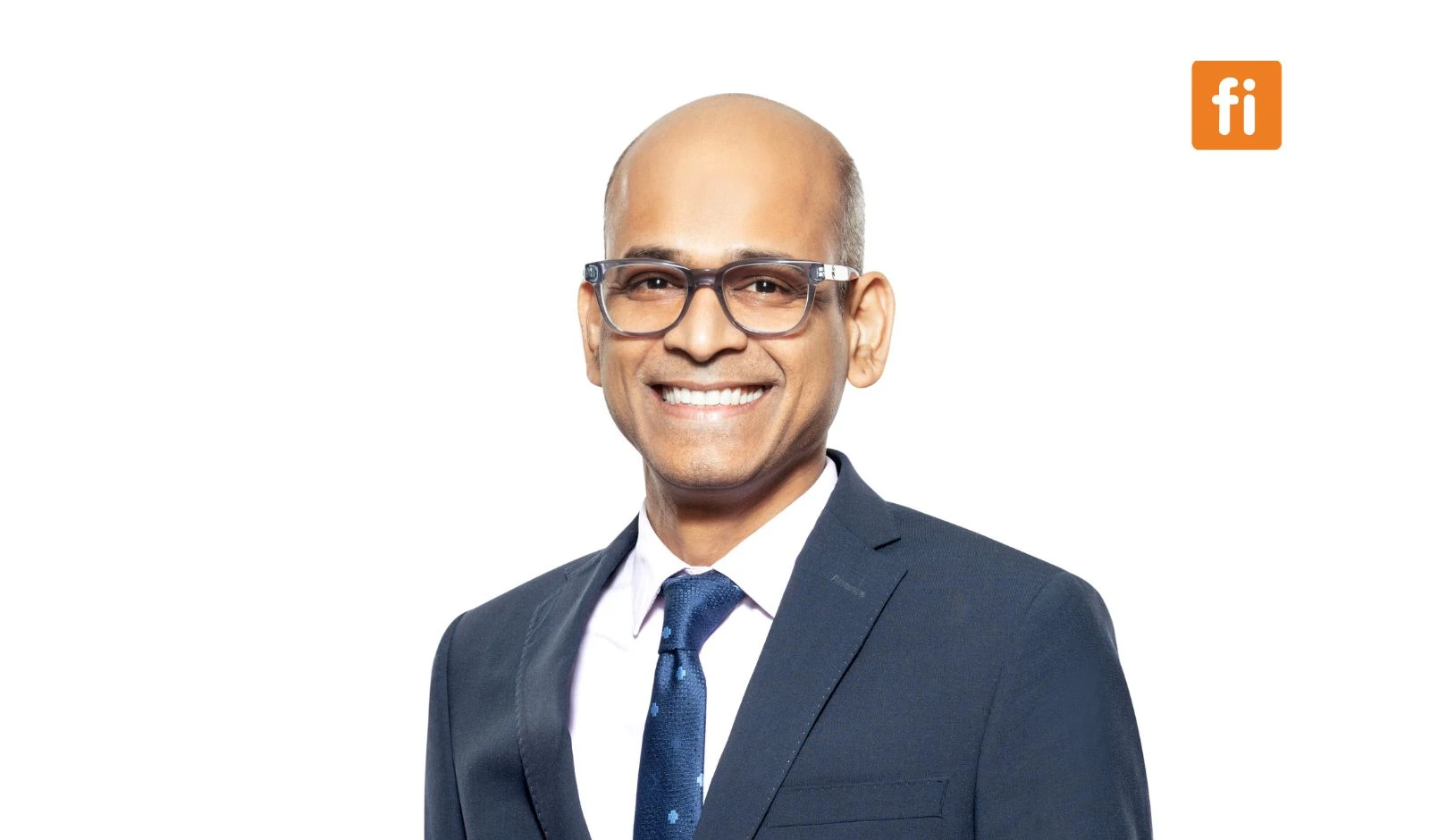
As India’s retail landscape shifts from transactional spaces to experience-led ecosystems, mall leasing is undergoing a fundamental transformation. At the centre of this evolution is Nirzar Jain, President, Leasing, Nexus Select Malls, who is redefining how malls curate brands, consumers and experiences. In this conversation, he shares insights on leasing trends, the rise of D2C brands and how data-driven ecosystems are shaping the future of India’s retail destinations.
How is mall leasing evolving in India today?
Mall leasing has moved far beyond the traditional landlord–tenant model. Today, it is about building ecosystems that drive engagement, discovery, and community. Leasing across India’s major cities has seen strong momentum, but more importantly, the shift is qualitative. Brands now seek platforms where retail, entertainment, dining, and culture intersect seamlessly.
Consumers, particularly younger audiences, are not visiting malls just to shop—they come for experiences and social interaction. This has fundamentally changed how developers approach leasing, positioning themselves as curators of experiences rather than just providers of space.
What key trends are shaping leasing across categories?
Three trends stand out.
First, F&B has emerged as a strategic anchor. Experiential dining formats are driving footfall and significantly increasing dwell time.
Second, fashion continues to dominate demand, especially premium fast fashion, athleisure, and occasion wear. Many global brands are using high-quality malls as their entry point into India.
Third, there is a strong surge of digitally native brands entering physical retail. For D2C brands, offline stores are no longer optional, they are critical for customer acquisition and brand storytelling. The shift toward omnichannel retail is accelerating rapidly.
How does Nexus position itself for brands?
We see ourselves as partners in growth rather than landlords. For international brands, entering India requires the right platform and market strategy. Our portfolio allows them to launch in high-performing malls and then scale across cities.
For emerging Indian brands, especially D2C players, we provide an ecosystem where they can experiment, gain visibility and grow sustainably. Increasingly, Nexus is seen as a launchpad for both global and homegrown brands.
What is your approach to tenant mix and curation?
Tenant mix today is driven by ecosystem thinking. It’s about creating a balance that maximises discovery, engagement, and performance. Fashion anchors drive repeat visits, F&B extends dwell time, and entertainment builds destination appeal.
But curation is highly localised. Each catchment has unique consumer behaviour, and our strategy is built on deep insights into demographics, spending patterns, and category demand. When done right, the mall becomes more than a retail space—it becomes a marketplace of experiences.
What role do data and technology play?
Data is central to modern leasing. We analyse footfall, dwell time, category performance, and catchment behaviour to make informed decisions. This helps optimise tenant placement and overall mall performance.
Technology is also bridging physical and digital retail. The mall of the future will function as a retail intelligence platform—continuously evolving based on consumer insights.
What is your vision for the future of malls in India?
India’s retail sector is entering its most exciting phase. The future mall will not just be a place to shop—it will be a community hub, a cultural space, and a platform for brand discovery.
Our vision is to build future-ready ecosystems where brands can scale and consumers can engage meaningfully. As more global and digital-first brands expand offline, malls like ours will play a critical role in shaping India’s consumption story.

