



 1359
/ 6
Min Read
1359
/ 6
Min Read


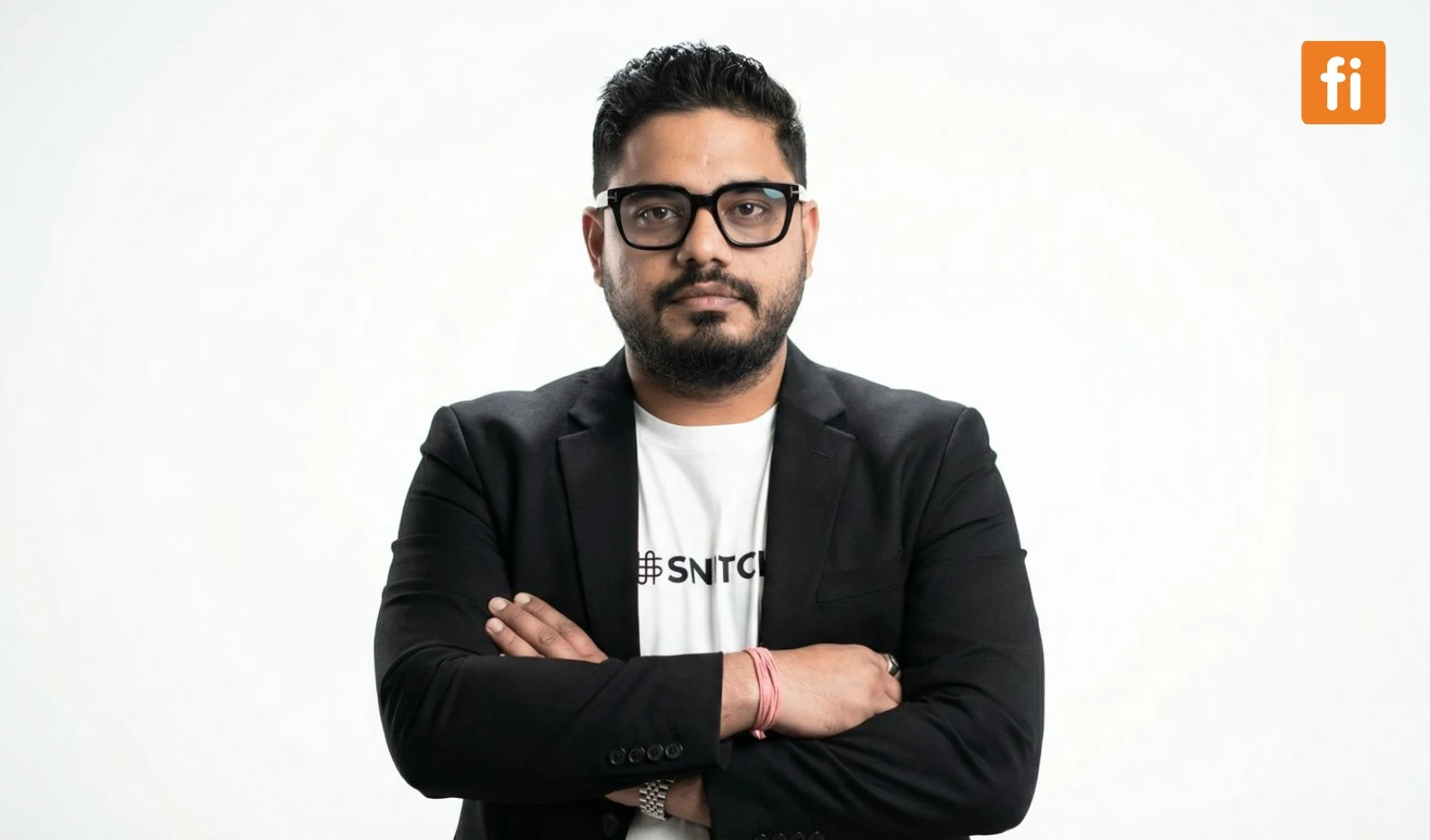
With digital-first brands moving beyond pure-play online models, many are increasingly adopting franchise-led offline expansion to strengthen their market presence and deliver more immersive, experience-driven retail environments. Among the brands at the forefront of this shift is SNITCH, a fast-growing men’s fashion label that has built its identity on a strong D2C foundation and agile, trend-led collections.
Founder and CEO Mr. Siddharth Dungarwal shares insights into SNITCH’s origin story, its positioning as an accessible premium menswear brand, and the strength of its denim-led portfolio. He also outlines how franchising, technology, and disciplined execution are powering the company’s next phase of growth.
Snitch has built a strong digital-first presence. What prompted the decision to explore a franchise-led offline expansion model at this stage of growth?
We always saw offline as a scale accelerator, not a pivot. Digital helped us build brand love, demand predictability, and operational agility. Once we reached strong online maturity and repeat behaviour, the next logical step was physical access.
A large part of our consumer discovery and purchase journey still ends in touch and trial, especially in menswear. Franchise-led expansion allows us to grow faster with local expertise while retaining control over brand, product, and experience. It is a capital-efficient way to deepen market penetration without slowing down our growth velocity.
How does the offline model complement Snitch’s existing D2C ecosystem rather than compete with it?
We do not see online and offline as separate channels. We see them as one integrated demand engine.
Online builds aspiration, drives trend discovery, and creates velocity. Offline converts high-intent consumers who want immediate gratification, trial, and styling assistance. Many customers discover us online and shop offline, or vice versa.
Our pricing, drops, and communication remain unified across channels. Stores act as experience hubs and community touchpoints, while digital continues to power engagement and scale.
What key consumer insights indicated that it was time to strengthen your physical retail footprint?
Three clear signals stood out:
First, high repeat purchase rates in specific micro-markets where we had no physical presence. That indicated strong brand pull.
Second, rising demand for same-day gratification. Gen Z does not like waiting three to five days for a trend drop.
Third, a clear preference for trial in categories like shirts, cargos, and occasion wear. Even digital-native consumers want fit validation before buying certain silhouettes.
Offline stores allow us to close these gaps while increasing average order value and cross-category discovery.
Could you elaborate on the criteria Snitch uses while selecting franchise partners to ensure brand consistency and operational excellence?
We prioritize long-term alignment over short-term expansion.
Our ideal partners understand fashion retail, are comfortable with fast inventory cycles, and believe in data-led operations. Location quality, mall or high-street positioning, and local market understanding are critical.
Equally important is cultural alignment. Snitch is trend-first, youth-driven, and high-energy. Our partners must be willing to execute frequent drops, visual refreshes, and standardized store experiences. We maintain strong SOPs, centralized merchandising control, and technology integration to ensure consistency.
How do you plan to maintain the same speed-to-market and trend responsiveness in offline stores that the brand is known for online?
Speed is our DNA. That does not change offline.
Our supply chain is centrally controlled, which means franchise stores receive the same fast-moving drops as our online channel. We operate on limited-quantity, high-frequency launches rather than bulk seasonal inventory.
Technology enables real-time inventory tracking and replenishment. Stores are plugged into the same backend systems that power our digital business. That ensures trend responsiveness, quick sell-through analysis, and agile restocking.
What kind of investment range and support structure can prospective franchise partners expect from Snitch?
The investment range depends on store size and city, but broadly includes store fit-outs, inventory, and working capital aligned with premium high-street or mall formats.
From our side, partners receive complete support including store design guidelines, merchandising frameworks, inventory planning, technology systems, marketing support, staff training, and centralized supply chain management.
We are not just offering a brand name. We are offering an operating system that has already been optimized digitally and is now being extended offline.
Are there specific cities or market tiers that you are prioritizing for franchise expansion, and why?
We see strong opportunity across Tier I and emerging Tier II cities.
Tier I markets give us depth and density. Tier II markets offer white space, high aspirational demand, and limited access to trend-first menswear brands.
Interestingly, Gen Z aspiration is no longer metro-centric. Digital penetration has made fashion awareness uniform across tiers. Our strategy is to go where demand signals are already visible in our online data.
How will technology and data integration play a role in unifying online and offline consumer journeys?
Technology is the backbone of our omnichannel vision.
We integrate inventory, customer data, and demand forecasting across platforms. This allows us to understand buying behaviour across touchpoints.
Over time, we aim to enable seamless journeys such as browsing online and purchasing in-store, endless aisle capabilities, and unified loyalty experiences. The goal is simple: the consumer should experience one Snitch, not separate online and offline brands.
What challenges do you foresee in scaling through franchising, and how is Snitch preparing to address them?
The biggest challenge in franchising is maintaining consistency at scale.
Fashion retail requires disciplined execution in VM, replenishment, staff training, and local marketing. To address this, we are building strong SOPs, audit mechanisms, and centralized control over merchandising and supply chain.
We are also expanding our retail operations team to support partners closely. Growth will be measured and strategic, not uncontrolled.
How does this offline expansion align with Snitch’s broader vision of becoming a leading menswear brand in India?
Our vision is to build India’s most relevant menswear brand for young consumers. Relevance requires accessibility. Accessibility requires presence.
Offline expansion allows us to become part of the consumer’s everyday life, not just their Instagram feed. It strengthens trust, enhances experience, and increases brand visibility.
Digital built the brand. Offline will deepen it. Together, they move us closer to becoming a category-defining menswear brand in India.

