


 921
/ 5
Min Read
921
/ 5
Min Read


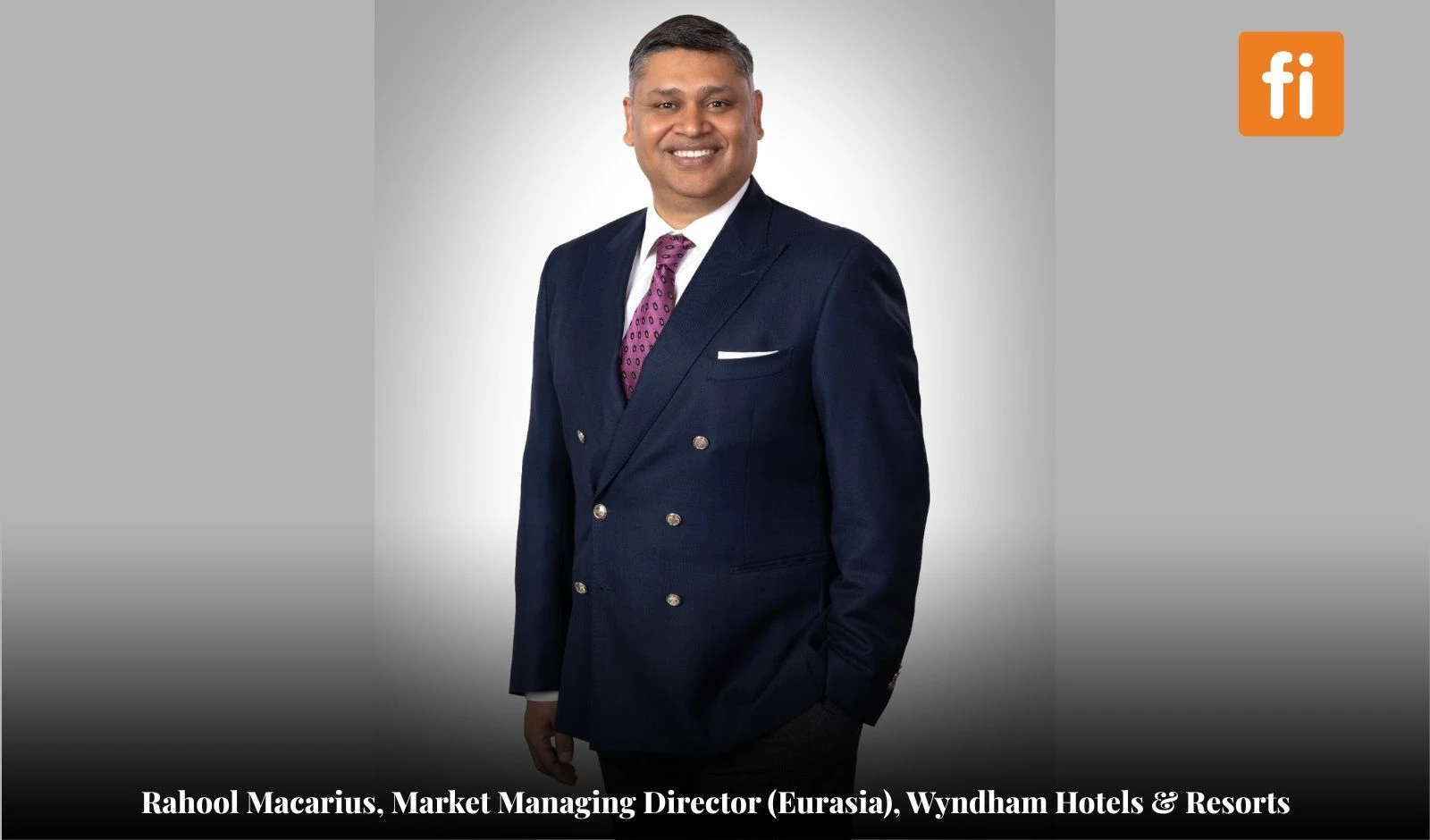
Rahool Macarius, Market MD (Eurasia)- Wyndham Hotels & Resorts, shares insights from his cross-market leadership journey, Wyndham’s long-term expansion strategy in India, and why trust & consistency remain the cornerstone of successful hotel franchising.
- Take us through your professional journey.
My journey has been shaped less by titles and more by experiences across markets, cultures, and people. Hospitality teaches you early that leadership is not just about managing hotels, but about understanding people—guests, owners, and teams alike. Each role has added perspective, resilience, and a deeper appreciation for service. - When did you join Wyndham Hotels & Resorts?
My association with Wyndham has been a meaningful one. I joined earlier in my career, spent several years learning within the system, and after gaining broader experience elsewhere, returned in January 2025. Coming back felt less like starting anew and more like coming home—with greater purpose and perspective. - How has the journey been so far, across both stints?
Both phases have been defining in different ways. The first shaped my understanding of franchising and owner relationships, while the second allows me to contribute more strategically. What has remained constant is Wyndham’s culture of trust, humility, and long-term thinking. - What are the three most important skills for a successful leader?
Self-awareness, because leadership begins with understanding oneself.
Empathy, because people perform best when they feel heard and respected.
Consistency, because trust is built through actions over time. - Post-COVID, the hotel industry has seen a strong rebound. Why?
Travel has taken on deeper meaning. People are prioritising experiences, reconnection, and well-being. In India, strong domestic travel, improving infrastructure, and growing preference for trusted brands have driven sustained momentum. - What are Wyndham’s expansion plans for FY25?
India is one of Wyndham’s most important global growth markets. Our strategy has always been long-term, focused on relevance rather than rapid scale. For FY25, we continue to strengthen our presence across emerging cities, pilgrimage hubs, leisure destinations, and developing business corridors, addressing the clear demand-supply gap in quality branded accommodation beyond metros. - What is the USP of Wyndham Hotels & Resorts?
Our strength lies in operating across segments while maintaining consistent standards. In India, Ramada remains one of the most trusted international hotel brands, successfully blending global expectations with local sensibilities. At the luxury end, Wyndham Grand Udaipur marks a key milestone, reflecting our intent to develop destination-led flagship properties. Above all, our owner-first philosophy and strong local understanding set us apart. - Which parts of India are driving growth, and why?
Growth is no longer limited to metros. Tier 2 and Tier 3 cities, leisure destinations, and spiritual hubs such as Katra, Rishikesh, Jim Corbett, Ayodhya, and Vrindavan are seeing strong demand, supported by infrastructure upgrades, improved connectivity, and rising preference for branded hotels. - How do you choose franchise partners?
Franchising is a long-term relationship. We align closely with infrastructure development and travel patterns, opening hotels near airports, expressways, and business corridors. Locations such as Lucknow Airport, Dwarka Expressway in Gurgaon, Zirakpur, Ranchi, Srinagar, and Jim Corbett reflect this approach, ensuring sustainable long-term demand. - How does Wyndham support its franchisees?
Support goes far beyond brand affiliation. We partner with owners throughout the hotel lifecycle—from development and pre-opening to operations and revenue optimisation. Our partnership with MakeMyTrip has significantly strengthened digital distribution, complemented by global systems, marketing, and revenue management expertise. - What does Wyndham expect from its franchisees?
We seek partners who share a long-term vision and commitment to sustainable growth. Many relationships in India have evolved into multi-property partnerships, with an owner retention rate of over 95 percent—built on trust, transparency, and shared success. - How do you address franchisee defaults or challenges?
Sustainability and responsible operations are integral to how we work. Over 96 percent of our India portfolio is Wyndham Green certified, with several hotels achieving Level Five ratings. Beyond certifications, it’s about embedding responsible practices into daily operations alongside open communication with partners. - What is Wyndham’s churn rate?
Our churn rate remains low, which reflects the strength of our partnerships. Many owners continue to grow with us across multiple properties, reinforcing trust in our systems and collaborative approach. - Why do franchisor-franchisee relationships sometimes end?
Challenges usually arise from misaligned expectations or short-term decision-making. Strong partnerships require transparency, patience, and consistent communication, anchored in long-term goals. - What are the top three factors guests consider when choosing a hotel?
Trust in the brand, value for money, and consistency of experience. Increasingly, guests also value meaningful, personalised service that makes them feel genuinely cared for. - How has franchising changed the hospitality business?
Franchising has enabled sustainable expansion while empowering local entrepreneurs. It combines global expertise with local ownership, creating a collaborative ecosystem built on shared growth. - How do you ensure continuous communication with franchise partners?
Through strong regional teams, regular reviews, structured engagement, and technology-enabled platforms. Open dialogue and accessibility remain key. - How important is technology in franchise management?
Technology is central to managing scale, consistency, distribution, revenue, and reporting. It provides owners with clarity and insights while allowing teams to focus on guest experience. - What trends will reshape the hotel industry?
Domestic travel, demand for personalised experiences, sustainability consciousness, and digital convenience are redefining how hotels operate and engage with guests. - What are the five essentials of a strong franchise model?
Trusted brands, transparent partnerships, robust systems, operational discipline, and a shared long-term vision between brand and owner. - How do you see hotel franchising five years from now?
It will be more structured, technology-driven, and partnership-led, with growth coming increasingly from Tier 2 and Tier 3 cities and greater emphasis on sustainability and long-term value. - Your advice to first-time hoteliers?
Take a long-term view, choose the right brand partner, invest in people, stay consistent in service, and remain patient through cycles. Genuine hospitality and strong partnerships drive lasting success.

