



 139
/ 7
Min Read
139
/ 7
Min Read


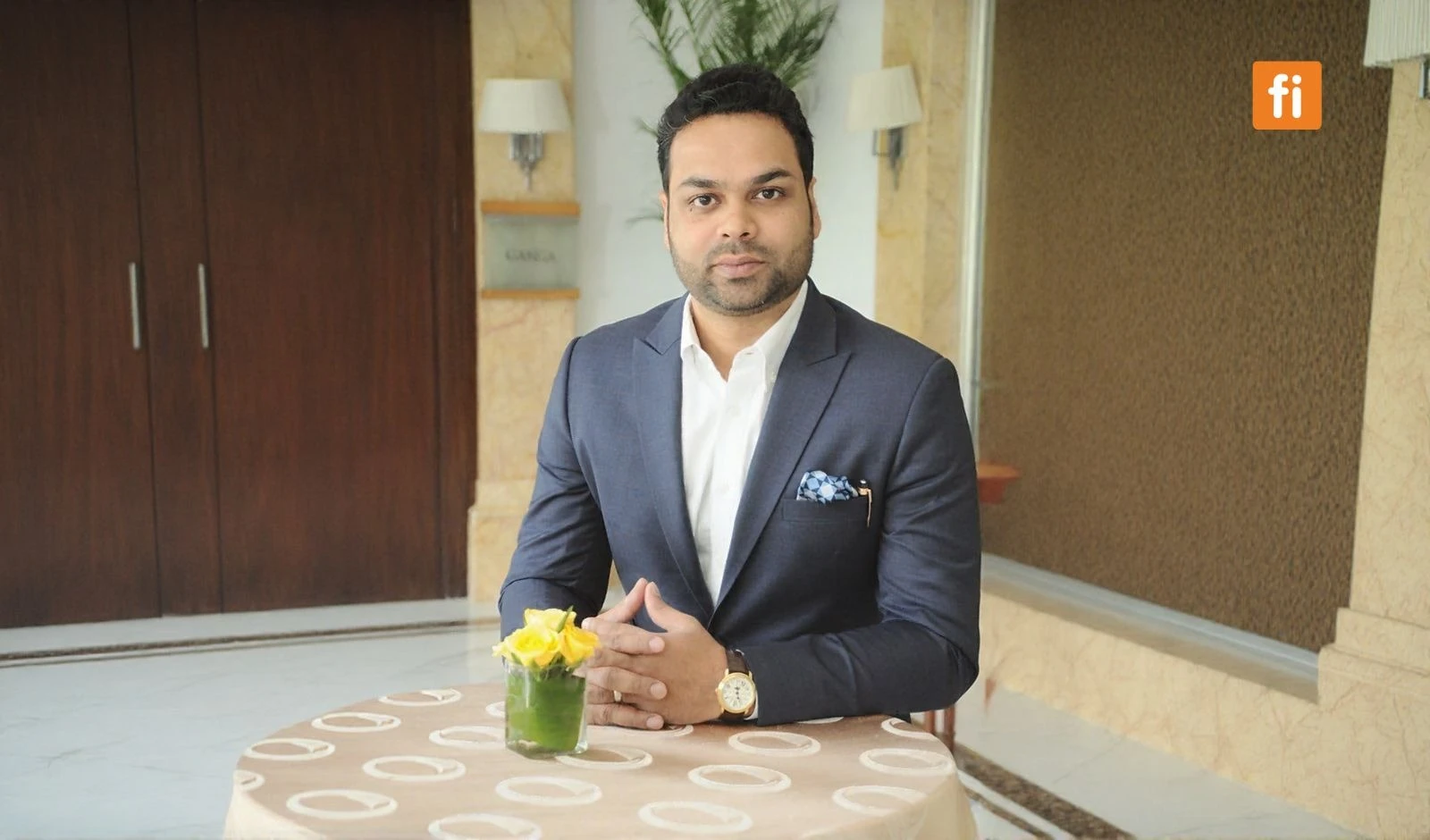
Kairali Ayurvedic Group has evolved from a legacy Ayurvedic healing practice into a globally recognised wellness brand spanning healthcare, hospitality, education and product innovation. In an exclusive interaction, Abishek Ramesh, Executive Director, Kairali Ayurvedic Centre, discusses the brand's growth journey, expansion plans and vision for the future of Ayurveda-led wellness.
How has the family lineage shaped Kairali’s philosophy and identity?
Drawing from over a century of Ayurvedic knowledge passed down through four generations the group launched its 1st Ayurvedic Manufacturing facility at Palakkad in Kerala in 1968, its 1st Ayurvedic Centre in Delhi in 1989, and the signature Kairali -The Ayurvedic Healing Village at Palakkad in 1998. This heritage has shaped the brand’s commitment to Ayurveda as a serious, authentic Ayurveda -led healthcare system rather than a wellness trend. Across Kairali -The Ayurvedic Healing Village, treatment centres, and product divisions, the Kairali Ayurvedic Group has focused on Authentic Ayurveda, quality standards, and Ayurvedic practices while adapting thoughtfully to the expectations of modern global wellness consumers.
What was the original vision behind Kairali, and how has it evolved?
The vision at Kairali Ayurvedic Group was to preserve and practice Ayurveda in its true form, while still making it accessible and relevant to modern lifestyles and international audiences. Founded by my parents K.V. Ramesh and Gita Ramesh in 1989, we sought to position Ayurveda as a credible healthcare discipline rather than a niche traditional practice. While the core philosophy remains unchanged, Kairali Ayurvedic Group has evolved by strengthening our Ayurveda foundation through infrastructure, manufacturing standards, and global outreach to meet the expectations of today’s quality-conscious and evidence-aware wellness consumers.
What have been the most defining milestones in Kairali’s growth journey?
Key milestones include the founding of Kairali Ayurvedic Group in 1989, the establishment of Kairali – The Ayurvedic Healing Village in Kerala, the creation of WHO-GMP-certified manufacturing through Kairali Ayurvedic Products, and the expansion of the Kairali Ayurvedic Centre network globally. These developments, along with international recognition and a stronger focus on standards, accreditation, and preventive healthcare, have transformed Kairali into a globally respected Ayurveda-led wellness institution.
What are the biggest challenges in maintaining authenticity in Ayurveda today?
The biggest challenge is that Ayurveda’s popularity has grown faster than its understanding. Many brands use Ayurvedic terminology without embracing its clinical depth, practitioner-led approach, or treatment integrity. For us, at Kairali Ayurvedic Group, authenticity means investing in qualified Ayurvedic Doctors and therapists, accredited facilities, quality manufacturing, and responsible communication while balancing classical Ayurvedic principles with modern expectations around safety, transparency, and evidence-based standards.
How does Kairali differentiate itself in the global wellness market?
We follow a simple Ayurvedic Doctor - led approach to Ayurveda rather than a hospitality-first wellness model. Its integrated ecosystem, including Kairali the Ayurvedic Healing Village, our manufacturing facilities and the treatment centre network, that ensures consistency in quality, care, and products. Supported by NABH accreditation, WHO-GMP-certified manufacturing, and a commitment to authentic Ayurvedic practice, we offer a blend of clinical credibility, cultural authenticity, and modern wellness relevance.
What is Kairali’s long-term expansion strategy?
Kairali’s strategy focuses on building a globally credible Ayurveda-led wellness and preventive healthcare ecosystem rather than pursuing rapid expansion. In India, at present we have three company owned centres at Mehrauli (New Delhi), Siri Fort Sports Complex (New Delhi Owned) and in Sector 46, Gurgaon. As for our franchise outlets are concerned, we have 6 franchise centres in Faridabad, Jaipur, Raipur, Patna, Guwahati, and Vadodara.
Internationally we have 6 centres that includes Yokohama, Seijyo, and Tokyo all three in Japan, one in Mauritius, one in Prague, Czech Republic and one in Kuwait. By 2040 we are targeting total 50 centres by 2040.
In India, the emphasis is on strengthening access through quality treatment centres and preventive wellness programmes, while internationally the focus is on sustainable partnerships, regulatory compliance, and long-term trust. Franchises and partnerships are considered carefully to ensure consistency in practitioner quality, treatment integrity, and patient experience.
How has Kairali’s business model evolved over the years?
Kairali has evolved from a treatment-focused organisation into an integrated wellness ecosystem built around three pillars: Kairali -The Ayurvedic Healing Village, our network of Ayurvedic Centres across the world, our state of the art manufacturing division at Pollachi. Together, these verticals create a sustainable model that combines immersive wellness experiences, accessible urban care, and quality-controlled Ayurvedic products. The objective is to position Ayurveda not as a luxury service but as a long-term preventive healthcare and lifestyle framework.
What do you look for in business partners as Kairali expands globally? What Kairali expects from its franchise partners?
Kairali seeks partners who share its commitment to authentic, practitioner-led Ayurveda and long-term quality standards. Beyond commercial potential, we value operational excellence, regulatory compliance, cultural sensitivity, and a commitment to preserving Ayurveda in its truest form. Partners must understand that Ayurveda is a healthcare discipline and ensure that wellness experiences are built around therapeutic credibility rather than purely hospitality or lifestyle trends.
Capital Commitment
* Adequate investment to establish and operate a professional Ayurvedic treatment centre aligned with Kairali standards (Approx. 80-90 lac).
* Ability to fund setup, working capital, staffing, and local marketing.
Suitable Location & Infrastructure
* A commercially viable location with sufficient space (Approx. 3,000 sqft above) for consultations, therapies, treatment rooms, reception, and retail as required by the model.
* Compliance with all local regulatory and licensing requirements.
Operational Commitment
* A long-term business outlook rather than a short-term investment mindset.
* Commitment to maintaining Kairali's clinical, service, and brand standards.
Qualified Team
* Willingness to recruit and retain qualified Ayurvedic physicians, therapists, and support staff according to Kairali guidelines.
* Adherence to Kairali treatment protocols and operating procedures.
Training & Quality Standards
* Participation in initial and ongoing training programmes provided by Kairali.
* Regular quality audits, operational reviews, and continuous skill development.
Brand Alignment
* Commitment to representing Kairali's physician-led, Ayurveda-first approach.
* Compliance with brand, marketing, and communication guidelines.
Growth Partnership
* Active involvement in local business development, community outreach, and patient acquisition.
* Collaboration with the central team on promotions, campaigns, and service improvements.
How does Kairali balance traditional Ayurveda with modern wellness offerings?
We maintain classical Ayurveda as the foundation of our approach with no compromise on providing authentic Ayurveda while adapting delivery for contemporary lifestyles. Physician-led consultations, Panchakarma therapies, Ayurvedic nutrition, and traditional routines remain central, complemented by yoga, mindfulness, fitness, and preventive wellness programmes. Modern infrastructure, training systems, and hospitality standards help improve accessibility and trust without compromising the principles of authentic Ayurvedic practice.
How is Villa Raag redefining Ayurveda-led luxury hospitality?
Villa Raag represents a more intimate and mindful approach to luxury wellness hospitality. Located on Agonda Beach in Goa, it combines personalised hospitality, yoga-focused wellness experiences, mindful living, and restorative travel. Unlike conventional luxury resorts, Villa Raag prioritises privacy, emotional well-being, and intentional wellness, reflecting a growing demand among global travellers for meaningful, personalised, and transformative wellness experiences.
How do you see Ayurveda evolving over the next decade, and Kairali’s role in that future?
Ayurveda has already grown in acceptance across age groups after the pandemic. Over the next decade, Ayurveda is likely to become a more prominent part of the global preventive healthcare and integrative wellness conversation. As consumers increasingly seek holistic approaches to lifestyle disorders, stress, and long-term well-being, demand for credible Ayurvedic solutions will grow. Kairali aims to contribute by strengthening clinical standards, practitioner training, accredited infrastructure, and quality manufacturing while helping position Ayurveda as a globally relevant, professionally credible, and authentically rooted healthcare system.

