


 1303
/ 5
Min Read
1303
/ 5
Min Read


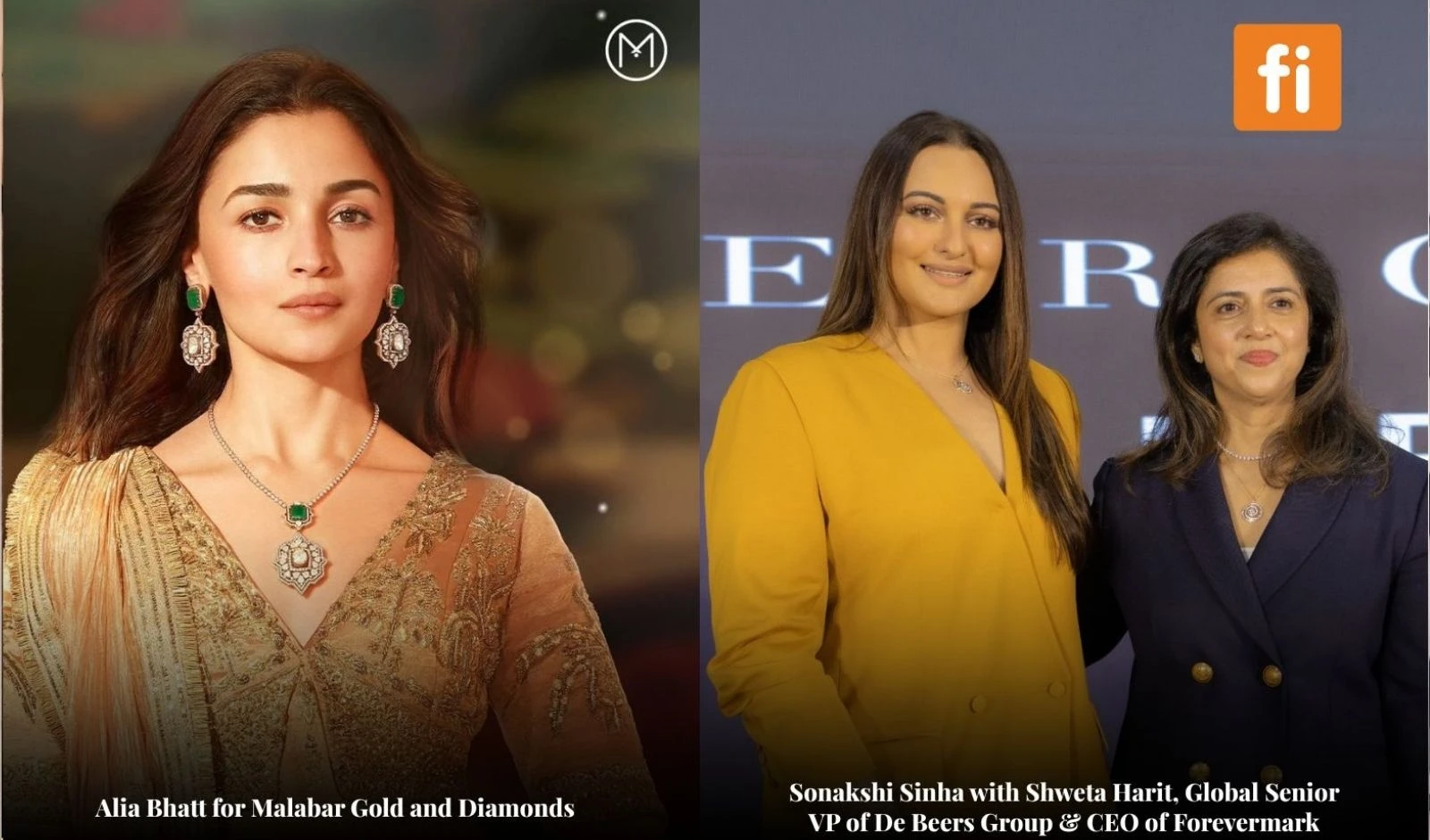
At a time when lab-grown diamonds (LGDs) have generated significant chatter around affordability and sustainability, India’s natural diamond market is quietly but decisively re-asserting its relevance. Two major developments in January 2026—Malabar Gold & Diamonds’ Mine Diamond Festival and De Beers Group’s launch of the “Heera Hai Aapke Liye” program—signal a renewed industry-wide push to reposition natural diamonds not just as wedding heirlooms, but as everyday expressions of personal milestones, self-reward and modern lifestyle.
Together, these initiatives underline a clear message: despite the brouhaha around lab-grown diamonds, consumer trust, emotional value and long-term perception continue to tilt strongly in favour of natural diamonds, especially in the Indian market.
A Shift in Buying Mindset, Not Away From Naturals
Indian diamond consumption is undergoing a mindset shift—but not away from natural stones. Traditionally linked to weddings and large family occasions, natural diamond jewellery is now increasingly being purchased for anniversaries, career achievements, milestone gifting, self-purchase and even daily wear.
Taking note, Malabar Gold & Diamonds announced the Mine Diamond Festival, running from 10 January to 15 February 2026 across India. The festival offers up to 30% off on diamond value on certified natural diamond jewellery, spanning solitaires, lightweight everyday designs and bridal collections.
According to Malabar Gold & Diamonds Chairman M. P. Ahammad, today’s consumer is not compromising on authenticity. “Customers want natural diamonds that fit seamlessly into everyday life, backed by absolute clarity on certification and pricing,” he said, reinforcing that assurance, transparency and trust remain central to the buying decision.
Why Consumers Still Prefer Natural Diamonds
Despite aggressive price positioning by lab-grown diamonds, industry data suggests that natural diamonds continue to dominate consumer preference:
- According to trade estimates and retailer surveys conducted in 2024–25, around 65–70% of Indian diamond jewellery buyers still prefer natural diamonds over lab-grown alternatives.
- Among first-time diamond buyers, preference for natural diamonds rises to nearly 75% when purchases are linked to emotional milestones such as weddings, anniversaries or personal achievements.
- In the bridal segment, over 80% of buyers continue to choose natural diamonds, citing legacy value and emotional significance.
- In 2024, India became the second largest natural diamond jewellery market in the world, after US: De Beers report
- India is expected to have 100 million additional consumers who can afford natural diamonds by 2030: De Beers report
Key reasons for this preference include:
- Rarity and Emotional Value
Natural diamonds are perceived as finite, rare and emotionally enduring—qualities that lab-grown stones struggle to replicate in the consumer psyche. - Long-Term Value Perception
While LGDs are cheaper upfront, many consumers remain concerned about rapid price depreciation. Natural diamonds are still widely seen as a store of value and legacy asset. - Trust and Certification
Established certification norms (GIA, IGI), transparent pricing and buyback guarantees—like those offered by Malabar—play a crucial role in reinforcing confidence. - Cultural Significance
In India, jewellery is deeply intertwined with tradition, gifting and generational transfer. Natural diamonds align more closely with these cultural expectations.
De Beers Strengthens the Natural Diamond Narrative
Adding momentum to this renewed focus, De Beers Group launched the “Heera Hai Aapke Liye” program at IIJS Signature on 20 January 2026. Designed to democratise access to natural diamonds, the initiative aims to embed diamonds into everyday Indian life—through modern designs, entry-level price points and strong retailer empowerment.
The program, supported by the INDRA (Indian Natural Diamond Retailer Alliance) and in partnership with GJEPC, plans to onboard 500 retailers across 15–20 cities in its first phase, targeting both metros and Tier 2 markets.
As Shweta Harit, Global SVP, De Beers Group and CEO of Forevermark, explained, the initiative is about evolving storytelling. “We are not just selling jewellery; we are making natural diamonds more accessible and desirable in India,” she said, positioning diamonds as tools of self-expression rather than occasional indulgences.
From second-piercing earrings and ‘Bestie’ bracelets to intention-led pendants, De Beers is actively reframing natural diamonds as lifestyle essentials—an area often cited as LGDs’ stronghold.
The Lab-Grown Debate- Noise vs. Nuance
Lab-grown diamonds have undeniably expanded the market, particularly among ultra-price-sensitive buyers and fashion-led consumption. However, industry observers note that LGDs are increasingly viewed as a separate category, closer to fashion jewellery than fine jewellery.
Globally, even in markets where LGDs have gained traction, natural diamonds still account for over 85% of total diamond jewellery value, underlining the distinction between volume and value.
In India, this separation is becoming clearer. Consumers are learning to differentiate between “affordable sparkle” and “enduring significance”, with natural diamonds firmly occupying the latter space.
The Road Ahead
India is already the world’s second-largest market for retail diamond jewellery, and its growth trajectory remains strong:
- The domestic diamond jewellery market is projected to grow at 8–10% CAGR over the next five years, driven by rising disposable incomes, urbanisation and younger consumers entering the category.
- Tier 2 and Tier 3 cities are expected to contribute over 40% of incremental growth, supported by initiatives like INDRA and retailer-led education.
- Self-purchase and everyday wear segments are forecast to be the fastest-growing categories, reshaping how diamonds are marketed and merchandised.
Crucially, the future points toward coexistence, not conflict. Lab-grown diamonds may expand access at the lower end, but natural diamonds are set to retain—and even strengthen—their position as symbols of authenticity, emotion and long-term value.
While lab-grown diamonds have added another dimension to the conversation, natural diamonds are responding with substance. Through transparency, accessibility, modern design and strong assurance frameworks, the natural diamond industry is not defending its past—it is actively building its future.

