


 1056
/ 6
Min Read
1056
/ 6
Min Read


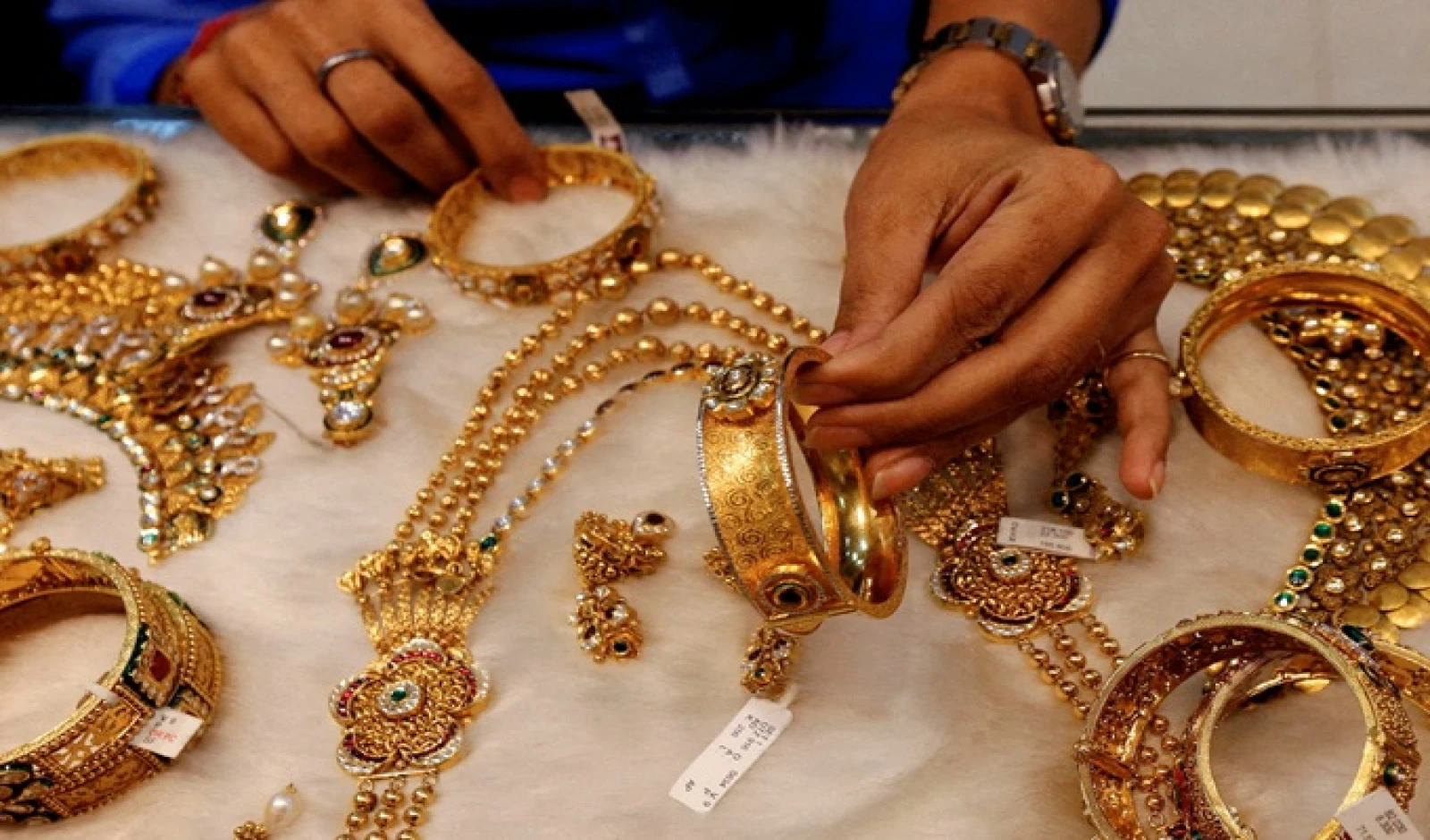
Less Heirloom, More Everyday
Gold demand in India dropped 28% during the recent festive stretch—from Raksha Bandhan to Onam—the sharpest fall in three years, says the India Bullion & Jewellers Association. Theculprit- gold prices that increased about 49% compared to last year, making traditional purchases tougher for most people. But despite the slump in volume, sentiment remains resilient. At the forefront of this optimism is Aditya Modak, COO and CFO of P N Gadgil & Sons (PNGS).“We’re still hopeful about the gold market’s direction going into Diwali,” Modak tells us. “We expect it to do as well as last year—if not more.”
The mood on the shop floor might be quieter than usual, but behind the counters, jewellers are adapting quickly. Modak points to an important shift: today’s shoppers aren’t buying less gold—they’re buying different gold.“We’ve seen a real move toward lighter, lower-carat jewellery. Consumers now want pieces that are elegant, wearable, and accessible.”
This shift in preference prompted PNGS to launch its sub-brand, Gargi by PNGS, in 2022—offering stylish collections in 14K and 18K gold, aimed squarely at millennials and Gen Z.“Low-carat gold is the perfect mix of cheap and classy,” Modak says. “It’s not a compromise—it’s a change that lets more families continue our tradition of gifting gold, in a way that fits modern budgets and lifestyles.”
The Rise of ‘New Gold’ Glamour
In India, gold has always been more than a precious metal. It’s a symbol of joy, security, and celebration—especially during weddings and festivals. And even though price-sensitive consumers are thinking twice before splurging on high-carat gold, the emotional and cultural pull of gold remains strong.“In Indian culture, gold has an intrinsic value that goes beyond changes in the market,” Modak emphasizes. “As we get closer to Diwali, we expect demand to pick up, especially for lighter jewellery. People want to keep traditions alive while adapting to modern realities.”
The PNGS design philosophy is now rooted in versatility: jewellery that can be worn daily, styled in multiple ways, and still reflect heritage craftsmanship.
A Dip or a Reset?
While the demand drop may look dramatic on paper, analysts say it’s not entirely unexpected. A mix of soaring gold prices, cautious consumer spending, and economic uncertainty has led to a cooling-off period.
Still, the fall is significant. The 28% dip is the steepest drop since 2022, and jewellers across the country are watching the market carefully. That said, there’s an overwhelming consensus that this is not a crisis—it’s a correction.
The Indian jewellery buyer today is younger, more informed, and more design-conscious than ever before. And few understand this better than MP Ahammed, Chairman of Malabar Gold & Diamonds, one of the world’s largest jewellery retailers.
“The market has expanded significantly over the last five years—in scale and in expectations,” Ahammed explains. “Millennials and Gen Z now prefer lightweight, wearable, and personalized jewellery.”
The focus has shifted from grandiosity to sustainability, usability, and individuality. “Ethical sourcing and sustainability are becoming major purchase drivers. By 2025, sustainable products could account for 30% of global jewellery sales.”
Malabar Gold is already investing in tech-forward solutions—from virtual try-ons to omnichannel shopping experiences—and creating inclusive collections like their Legendz line for men, catering to the evolving tastes of modern consumers.
Gold’s Enduring Gravitas
What’s driving the ongoing loyalty to gold, despite its high price?
“Gold continues to dominate due to its cultural and emotional significance,” says Ahammed. “It symbolizes security and status. It remains a preferred investment, especially during uncertain times.” In fact, gold’s appeal is expanding beyond metro cities. Tier-II and Tier-III towns are emerging as strongholds of gold buying—driven by rising disposable incomes and deep-rooted traditions.
While diamond jewellery has carved out a niche, particularly among younger buyers in urban areas, gold remains the default for weddings, gifting, and festivals.
Tradition meets Tech
With traditional jewellery buying shifting online, retailers are now merging age-old trust with cutting-edge tech.
“Technology is transforming the retail landscape,” Ahammed notes. “Virtual try-ons, mobile commerce, and AI-driven design personalization are redefining how consumers engage with jewellery.”
Jewellery brands that once thrived solely on word-of-mouth and family heritage are now cultivating Instagram followings, launching e-commerce stores, and offering financing options at the click of a button.
It’s no longer about just selling jewellery. It’s about selling experiences, convenience, and personal expression.
Diwali on the Horizon: A Glimmer of Hope
Despite the softer-than-expected start to the festive season, all signs point toward a strong comeback ahead of Diwali—India’s biggest gold-buying occasion.
As Aditya Modak optimistically puts it:“Our goal is to make jewellery that honors history while embracing new ideas. Today’s customer values pieces that are easy to wear, thoughtfully designed, and aligned with their lifestyle.”
That sentiment is echoed across the industry. Jewellers are now meeting the moment with affordable design, ethical sourcing, and digitally enabled platforms—ensuring gold remains relevant for generations to come.
A Market in Motion, Not in Decline
The 28% dip in festive gold demand may look like a red flag, but in truth, it’s a mirror to the market’s ongoing metamorphosis.
Yes, consumers are cautious. Yes, they’re buying less by weight. But they’re still buying—and buying smart. Lightweight doesn’t mean less valuable; it means more wearable. Lower karats don’t mean less emotion; they mean greater accessibility.
Gold in India is not fading—it’s redefining itself. From heirloom to everyday, from luxury to lifestyle, it continues to occupy a place in the hearts—and shopping carts—of Indians everywhere.
And as Diwali approaches, that golden glow is likely to shine even brighter.

